
The Story
Why it exists.
The beginning
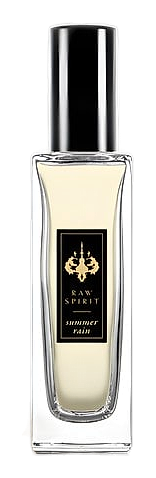
Summer Rain captures something rarer than rain itself: the charged stillness before an afternoon storm, when humidity becomes so dense you can almost taste it on your tongue and the sky hangs heavy with something it hasn't yet decided to release. The fragrance opens with the feeling of pressure building, that electricity in the air that precedes change. There's a weight to the atmosphere at moments like these, a thickness that wraps around everything, and the scent translates that sensation into something you can wear. It's not the rain people are drawn to, but the anticipation of it, the way the world holds its breath in that suspended moment when a storm is inevitable but not yet arrived.
Harry Frémont structured Summer Rain around contrast. The citrus top, kaffir lime, grapefruit, arrives fast and hot, like air pressure dropping before a storm. The heart is where it gets interesting: jasmine and orange blossom don't soften the composition as much as they deepen it, adding a humid floral quality that feels more accurate to the Everglades than any straight citrus ever could. The floral notes work with the citrus rather than against it, creating layers that build on each other rather than competing for attention.
The evolution
The opening is immediate: grapefruit and kaffir lime punch through with enough force to register across a room, sharp and tart and unmistakably citrus. It doesn't tease, it arrives. The brightness begins to soften as jasmine and orange blossom emerge, pushing the fragrance into humid territory. This is the phase that earns the name. The floral heart has a thick, almost dewy quality, not clean exactly, but alive. The mint note, if you can isolate it, adds a brief coolness, like the first drop hitting bare skin. The interplay between the humid florals and that fleeting mint sensation creates something that feels genuinely atmospheric. As the top notes continue their gradual retreat, the drydown makes its presence known. Haitian vetiver and cedarwood settle close to the skin, adding a mineral earthiness that lingers for hours.
Cultural impact
Summer Rain entered a niche perfumery landscape that was actively exploring new directions. Rather than following the established patterns of European-inspired fragrances that had dominated the category, this scent proposed something different. The composition drew from atmospheric qualities and the sensory texture of weather itself, translating the feeling of changing conditions into olfactory form. The approach represented a willingness to look beyond conventional reference points and find inspiration in unexpected places.