
The Story
Why it exists.
The beginning
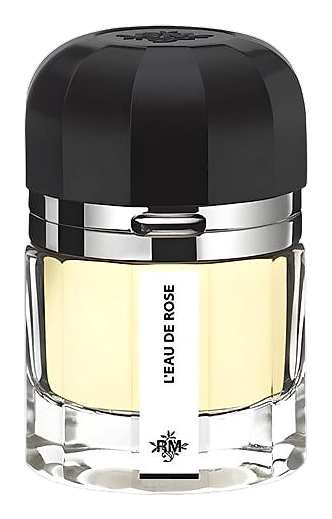
L'Eau de Rose arrived in 2009, one of the first scents Ramon Monegal composed when he turned his family's Barcelona legacy into his own label. After decades crafting fragrances for other houses and three generations of the Monegal name in perfumery, Ramon wanted to work with rose, but not the way everyone else did it. Rose too often meant sweet, syrupy, decorative. He wanted the flower with a spine.
Taif rose and tea rose give L'Eau de Rose its cool, austere character. Neroli pulls the composition toward something cleaner, almost green. Ultrazur, a Givaudan aquatic accord, adds a dewy, ozonic lift that makes the rose feel wet rather than dried. Indonesian patchouli leaf and musk anchor the florals, keeping them grounded so the scent never floats into abstraction. The structure is built around contrast: sharp rose opening, cool heart, powdery close.
The evolution
The opening announces itself with immediate intensity. A rose note arrives fully formed, edged and a little astringent. This phase lasts roughly ten to fifteen minutes, the scent asserting itself before softening. The heart takes over around the thirty-minute mark, where the composition reveals its true nature: tea rose and aquatic notes blend into something cooler, more contemplative. The neroli keeps it clean. The patchouli keeps it from becoming too light. By the second hour, the drydown settles into powder, rose water on skin, warm from body heat, musk threading through the petals. The longevity sits around four to six hours on most skin types, with moderate sillage that stays intimate rather than filling the room.
Cultural impact
L'Eau de Rose arrived in 2009 during a period when niche perfumery was gaining momentum in Europe. Ramon Monegal's decision to launch his own label after decades behind the scenes for other houses reflected a broader shift toward perfumers establishing direct relationships with consumers. The fragrance itself represented a departure from the sweeter rose interpretations dominating mainstream markets at the time, favoring instead a cooler, more austere expression that predated much of the modern artisanal rose wave.