The Story
Why it exists.
The beginning
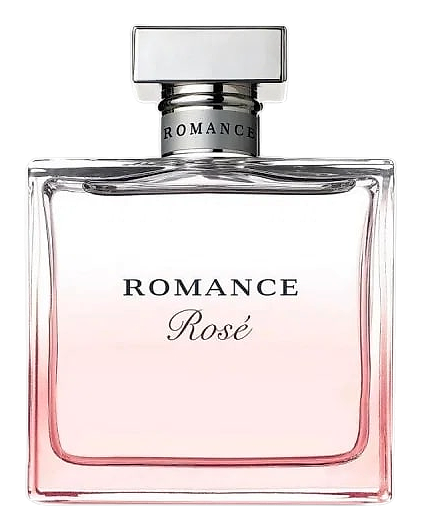
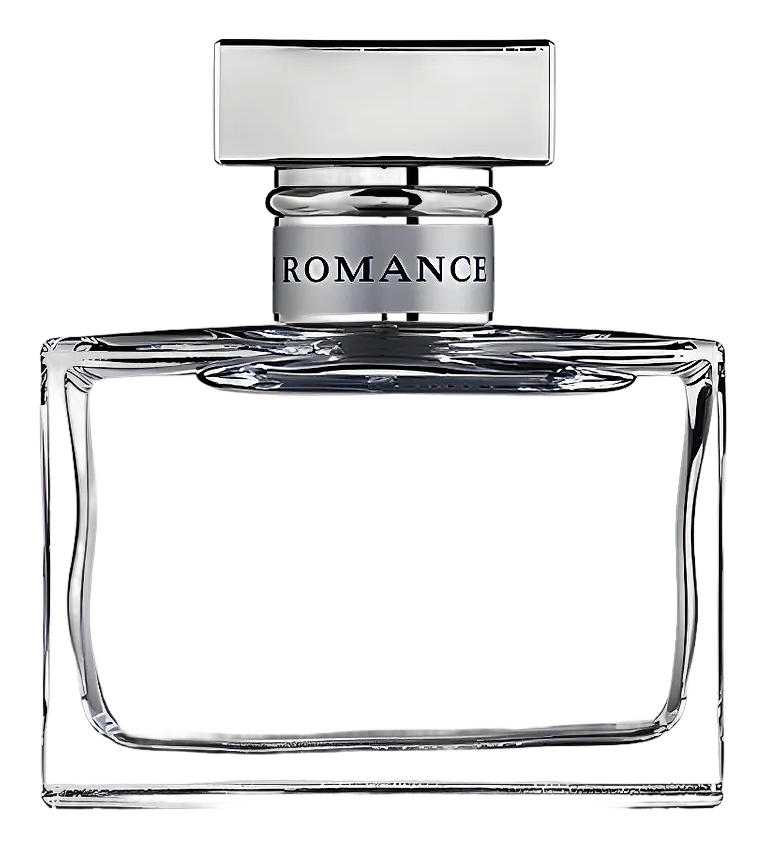
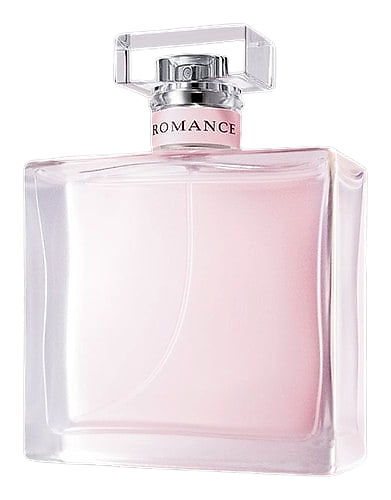
Released in 2008 just before Valentine's Day, Romance Be Mine was Ralph Lauren's limited-edition declaration within the Romance collection, a house that has built decades of its fragrance identity around the idea that love is not a trend but a category. Where the original Romance captured a grand romantic gesture, Be Mine narrowed the lens. This was the scent of the morning after. The quiet affirmation. The kind of love that doesn't need an audience. The name does the talking: a command dressed as a whisper.
The structure keeps things uncomplicated by design. Floral notes, woody notes, musk, three pillars holding up a small monument to intimacy. What elevates it is the interplay between powder and animalic, the way musk can read both clean and slightly wild depending on the nose doing the smelling. The woods don't dominate. They support. They make sure the softness doesn't disappear into nothing. It's a composition that understands restraint isn't the same as weakness.
The evolution
The top notes arrive like a breath, blossoms lifting, florals bright and clean. No sharpness, no surprise. Just the honest opening of something gentle. Within minutes, the florals settle and the powder emerges, that soft grey warmth that makes the fragrance feel familiar, worn, beloved. The woody base starts building underneath, slow and velvety. By the middle hour, the musk joins, not shouting, just breathing against the skin. The drydown is where this fragrance earns its name. Woods, musk, and the ghost of florals merge into something that smells like a second skin. Warm. Close. Lasting well past when you think it would. Often detectable on fabric the next day.
Cultural impact
Discontinued in 2012, Romance Be Mine has since gathered a quiet cult among those who remember it from its Valentine's Day debut. It's the fragrance people describe when they say they want something soft, not weak, just private. The powdery-musky combination places it in a register of intimate sensuality that fashion-fragrance critics often overlook in favor of louder compositions.