The Story
Why it exists.
The beginning
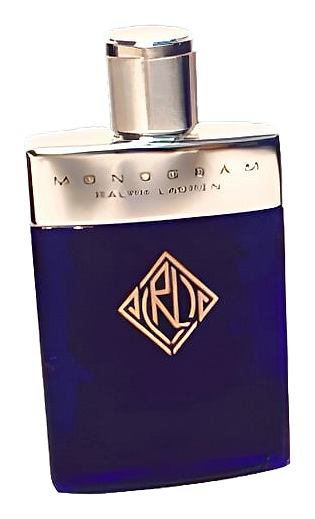
Ralph Lauren built an empire on selling a specific kind of American dream. The wide tie that sparked it all, the lifestyle branding that no one had done before, the vision of effortless put-together confidence that didn't need to explain itself. Monogram arrived in 1985, a cologne positioned as something between an statement and an accessory. The name itself signals intent: a signature, a mark of identity, something personal enough to feel like yours but recognizable enough to belong to the house. It was marketed by Cosmair and carried the weight of a brand that knew exactly what it was doing. This was not experimental. This was deliberate.
What makes Monogram interesting isn't just its notes, it's how those notes work together across time. The lavender here isn't decorative, it's structural, holding the architecture together while citrus brightens the opening and spices warm the middle. The woody base isn't a single note but a chorus: sandalwood, cedar, oakmoss, each arriving at a different point in the drydown. The patchouli adds an earthiness that prevents the whole thing from going powdery too soon. And underneath it all, musk, not clean synthetic musk, but something with weight, with presence. The Siam benzoin adds a resinous warmth that extends the drydown without sweetness. It's a composition that was built to last.
The evolution
The opening announces itself immediately: lavender and bergamot in roughly equal measure, the citrus sharp and the floral aromatic in a way that reads as both fresh and masculine. Within minutes, the bergamot recedes and the lavender settles into a supporting role, making room for spice and jasmine in the heart. The woods arrive quietly, cedar first, then the deeper notes, as the composition moves into its middle phase. The late drydown is where Monogram becomes something else entirely. The musk amplifies. The oakmoss deepens. What was clean and bright at the opening is now close, warm, almost intimate. On skin, this can last 8-10 hours easily, sometimes longer. On fabric, it lingers into the next day.
Cultural impact
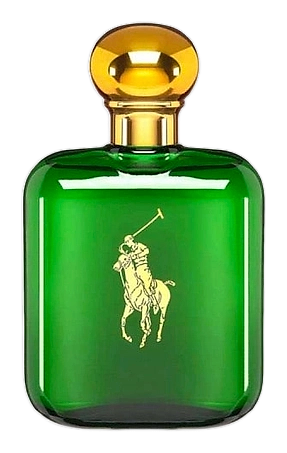
Monogram had the misfortune of arriving in the shadow of one of the most successful men's fragrances of all time. Ralph Lauren's Polo, launched in 1978, became a cultural touchstone, the scent of a certain kind of American aspiration that transcended fragrance and became lifestyle. Monogram, for all its quality, never achieved that saturation. It was discontinued in 1987, just two years after launch, likely because it couldn't find its audience alongside the Polo juggernaut. Which is, in retrospect, a loss. Because what Monogram offered was different: more complex, longer-lasting, with a drydown that outlasts most fragrances still on shelves today.