The Story
Why it exists.
The beginning
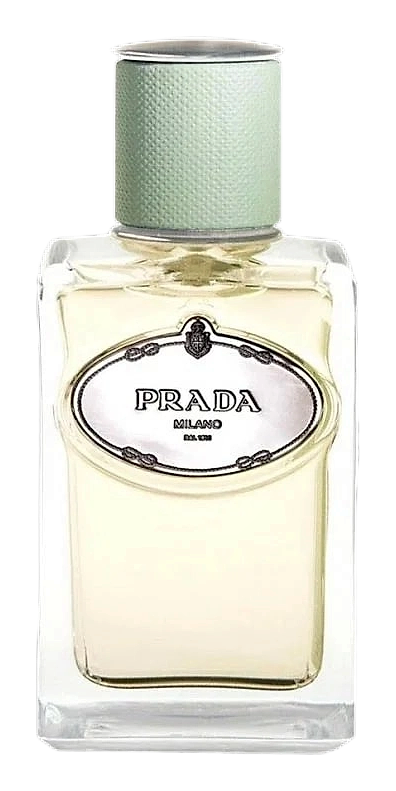
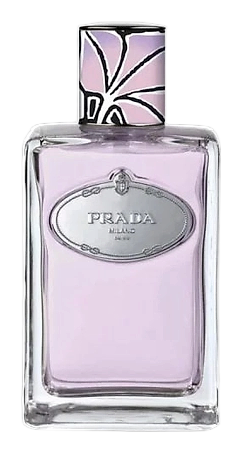
In 2010, perfumer Daniela Andrier created Infusion de Tubéreuse as part of Prada's ongoing interrogation of purity and restraint in modern fragrance. Rather than treating tuberose as a powerhouse to be tamed or amplified, Andrier treated the Indian tube rose on its own terms: a luminous, slightly green floral with a naturally indolic character that was never meant to smell like coconut cream or sunscreen. The infusion concept, drawn from the perfumery tradition of steeping botanical matter in solvent, informed the approach to a composition that functions less as a statement and more as an extraction of an idea.
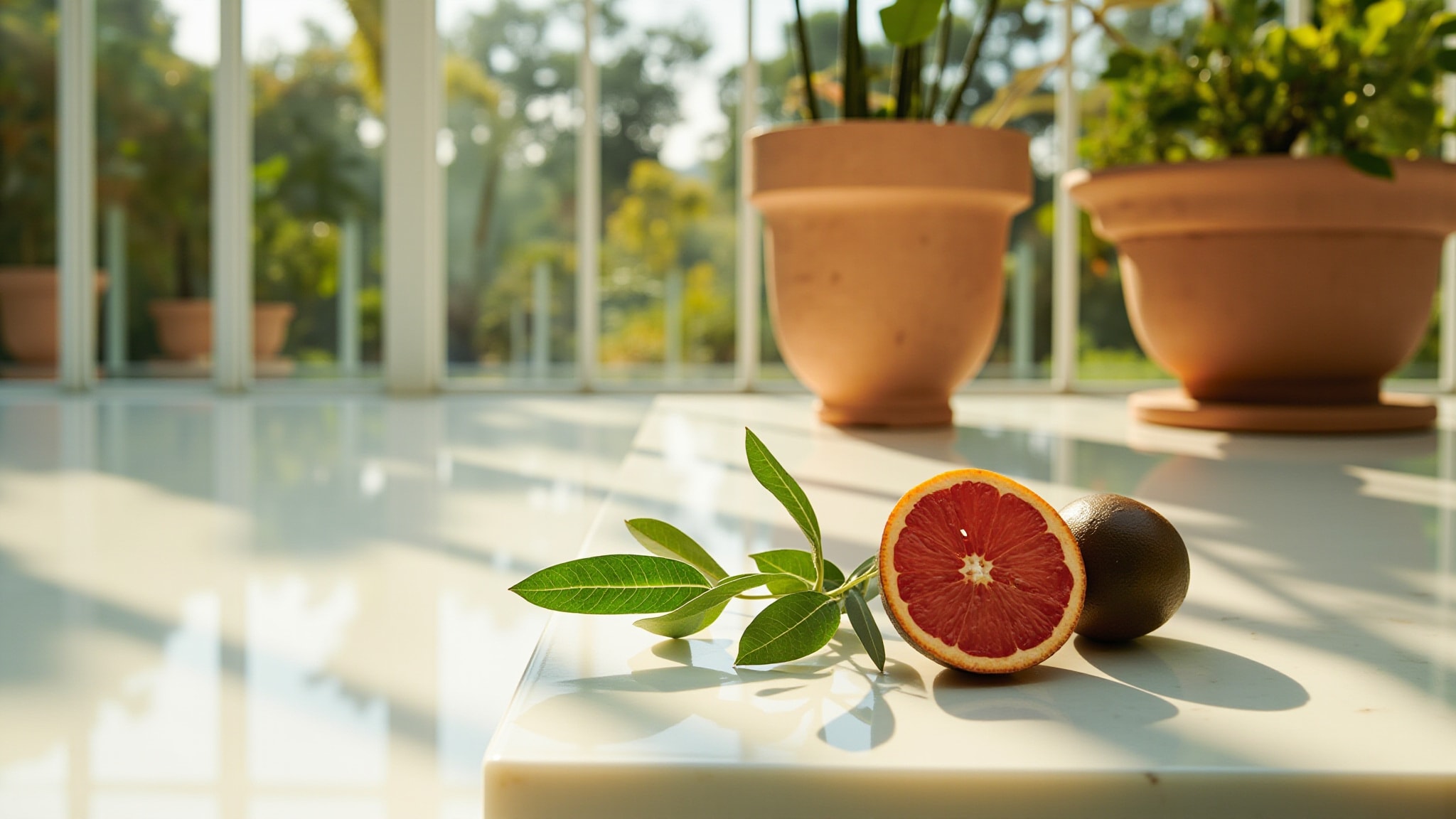
The pairing rationale centers on restraint as a form of respect for the flower. The blood-orange does not sweeten the tuberose; it illuminates it, lending the kind of natural warmth that a cut blossom carries in afternoon light. Petitgrain provides the green dimension without which many tuberose interpretations feel one-dimensional and cloying. Labdanum anchors the pairing by offering warmth that does not compete with the florals themselves. The result is a composition where the named ingredients do exactly what the brand brief promises: speak without distraction.
The evolution
The composition opens without preamble into petitgrain and blood-orange, two materials that share a citrusesque brightness but diverge in character: orange commits to fruit while petitgrain retreats into green-bitter leafiness. Tuberose enters immediately, riding along with the citrus rather than announced as a solo act. As the blood-orange softens and the petitgrain's green edge flattens, labdanum emerges from beneath, reshaping the fragrance from a crisp floral into something warmer, more resinous, and ultimately more settled. There is no base note separation here; labdanum is the drydown and the flower is the memory.
Cultural impact
Tube rose holds an enduring place in perfumery, a note that has long been associated with luxury and sensuality. Since the early twentieth century, it has featured prominently in prestigious fragrance houses, valued for its intoxicating richness and creamy floral character. In contemporary perfumery, tube rose remains a staple, prized for its ability to bridge classical elegance with modern vibrancy. Its creamy, luminous quality makes it a compelling choice for those drawn to refined florals, offering depth and a certain opulent brightness that feels both timeless and relevant.