
The Story
Why it exists.
The beginning
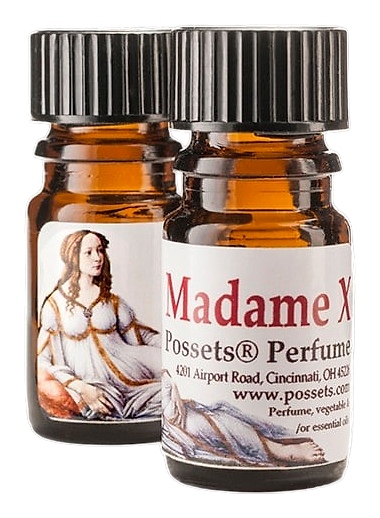
Madame X takes its name from the archetype itself. Not a specific person, the idea of her. Fabienne Christenson designed it for women comfortable in the dangerous space between sweet and sinister. Released in 2007, it became the fragrance for someone who understood that power doesn't always announce itself. The oil format was deliberate: it keeps the scent close, skin-warm, and impossible to share without leaning in. Christenson built this around intimacy rather than projection, the name is the role, and the scent is how you play it.
The combination of champagne and vanilla seems improbable until you taste it. One fizzes, the other comforts. Beeswax bridges them, its waxy, faintly smoky quality keeps the sweet from floating away. Cream adds texture, lemon zest cuts through just enough to keep things fresh. Musk threads everything together, binding the notes into something that reads as skin rather than perfume. The oil base intensifies this intimacy. Oil-based fragrances don't project the same way alcohol ones do, they respond to body heat, warming against you and evolving throughout the day. The champagne and cream become something you wear, not something you spray into a room.
The evolution
The opening arrives fast, fizz and carbonation, lemon zest catching light like something just peeled. This phase doesn't last long. Fifteen minutes in, the champagne is already fading, leaving cream and wax behind. The heart is where this perfume earns its reputation. Beeswax thickens the composition while vanilla slowly, honeyed and warm, takes over. Musk slides underneath everything, present but never announced. The drydown is vanilla and beeswax, quiet and persistent. No more fizz. No more citrus. Just the honeyed warmth of cream and wax, skin-close and impossible to ignore for the next several hours.
Cultural impact
Madame X attracts wearers who want something that lives on the skin rather than filling a room, women who understand that presence and projection aren't the same thing. It's for the person who wants to be remembered, not announced. Since its 2007 launch, it has attracted a cult following among those who prefer intimacy over announcement.