
The Story
Why it exists.
The beginning
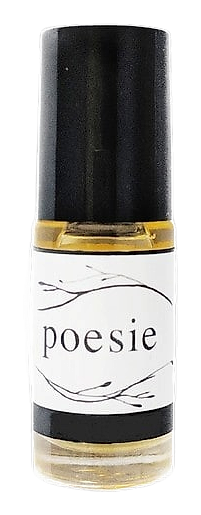
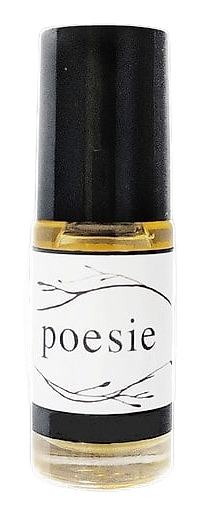
Poesie named Elizabeth for Elizabeth Bennet, Austen's most beloved heroine. The brief wasn't a portrait, it was a disposition. Lighthearted, intelligent, independent. The kind of woman who walks into a room and doesn't adjust herself to fit it. Perfumer Joelle Nealy translated that spirit into green and floral without the usual decorative softness. Released in 2018 as part of the Fools in Love collection, Elizabeth was built for the imaginative woman who treats everyday rituals as small acts of self-authorship. The scent doesn't announce itself. It simply exists, quietly, confidently, like the heroine it honors.
What makes Elizabeth unusual is how it handles green. Most fragrances reach for freshness, cut grass, new mown lawns, something bright and declarative. Elizabeth does the opposite. The grass note here is crushed, slightly damp, the kind that releases its scent only when stepped on. Combined with earthy accord and clover, it creates something grounded and physical rather than aspirational. The powdery florals, heliotrope, lilac, mimosa, don't soften this into prettiness. They complicate it. The result is a fragrance that feels like it has a point of view, which is rarer than it should be.
The evolution
Elizabeth opens green and immediate. The grass and clover arrive first, still damp from morning, slightly animalic in the way real plant matter is. No sharp cut-stem smell, this is crushed, pressed, alive. The earthy note sits underneath from the start, giving depth where most green fragrances would offer airiness. Within twenty minutes, the lilac begins to assert itself, bringing a cool floral sweetness that tempers the grass without dominating it. Heliotrope and mimosa follow, adding that characteristic powdery softness, the smell of old books, of pressed flowers, of things saved. The drydown is where Elizabeth becomes itself. The green fades to a memory, the florals settle into something quieter, and what's left is warm, close, intimate. It doesn't project far. It never did. Four to six hours later, on skin and clothes, a faint trace remains, sweet, powdery, like finding a dried flower between the pages of a book you forgot you were reading.
Cultural impact
Elizabeth exists in a corner of indie perfumery where literary reference and olfactory character align. It's the kind of fragrance that becomes a personality trait for its wearers, not because it's loud, but because it says something specific. Poesie's approach, framing each scent as an act of imagination rather than a commercial product, attracts a collector community that values intention over ubiquity. Elizabeth, discontinued but still discussed, has the quiet longevity of something that found its person and stayed.