
The Story
Why it exists.
The beginning
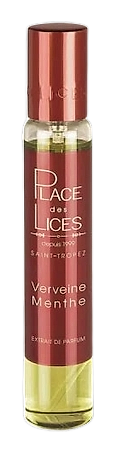
Place des Lices was founded in Grasse, France, the city that taught the world how to smell. Each fragrance is a landscape portrait, translated from a specific place, season, or memory along the Riviera. Verveine Menthe arrived in 2017 as part of Place des Lices' ongoing project: translating the landscapes of southern France into something you can wear. The name is direct, verbena and mint, two herbs that grow wild in Provençal gardens. The brief was simple on the surface: capture the smell of an afternoon in a Mediterranean garden, herbs softening in the heat, citrus trees heavy with fruit.
The note selection reflects Place des Lices' commitment to capturing the true character of Provençal gardens. Bergamot and orange provide the citrus heritage of the region, while mint and verbena represent the aromatic herbs that define Mediterranean landscapes. The inclusion of litsea cubeba adds a subtle complexity, a nod to the perfumer's desire for nuance rather than simplicity. Clove and galbanum anchor the fragrance, ensuring it does not remain purely fresh but settles into something more contemplative, more lasting.
The evolution
The opening bursts with bergamot and orange, bright and sunlit, before mint adds its cool counterpoint. The effect is immediate and refreshing, like stepping into shade after being in full sun. As the fragrance develops, litsea cubeba enters with its distinctive peppery-citrus character, bridging the gap between the fresh opening and the herbaceous heart. Lemon verbena takes center stage, its green-lemon personality dominating the mid-palette. The drydown brings the unexpected warmth of clove, softened by the resinous green depth of galbanum, creating a finish that is both warm and slightly bitter, like the last rays of afternoon sun on a garden wall.
Cultural impact
Verveine Menthe arrived at a moment when the niche market was seeking fresh, herbaceous compositions that could bridge seasonal transitions. Its blend of mint, bergamot, and orange captured the optimism of early spring, while the green bitterness of galbanum resonated with consumers craving authenticity and a touch of the countryside. Over the years, the fragrance has been cited in community forums as a staple for casual daytime wear, influencing a wave of similar mint‑herbal releases from emerging houses. The scent’s modest price point and approachable opening helped democratize niche perfumery, encouraging younger collectors to explore complex green accords without feeling intimidated.