
The Story
Why it exists.
The beginning
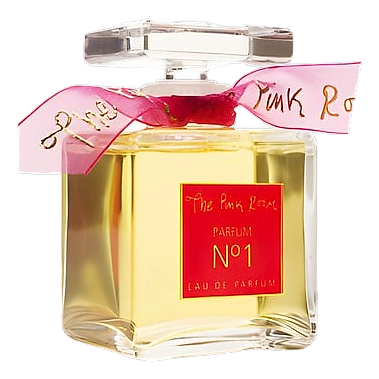
In 2000, Sarah Barton-King gave Guy Robert a brief that reads more like a short story than a product specification. She wanted Proust's tea party. Afternoon light softening. Old roses releasing their scent as the sun gentled. Lime cutting across sweetness. Bergamot for warmth. Jasmine, violet, vanilla for the madeleine. Not too heavy. Not too rich. Robert translated that literary image into something you could actually wear, taking the garden described in the brief and rendering it into a wearable composition. The result is a fragrance that captures the feeling of that particular afternoon, the warmth of the light and the sweetness of the roses, without ever feeling heavy or cloying.
What makes Parfum No 1 work is the restraint in the brief that became the restraint in the bottle. The lime and bergamot arrive quickly, making their presence known without overwhelming. They open the composition, allowing the florals to settle in gradually. The florals, jasmine, lily of the valley, violet, rose, build slowly, layering in a way that feels considered and unhurried. The moss and vanilla in the base are doing something older, more classical: they anchor the florals to skin, providing depth and staying power beneath the brighter top notes.
The evolution
The opening is citrus and clean, bergamot, lemon, something fruity underneath that reads as green stems more than ripe fruit. The lime note cuts through any sweetness before it can settle, keeping the top notes bright and clear. The florals arrive not as a wave but as a gradual thickening of the air. Jasmine asserts itself first, creamy and present, while lily of the valley adds that fresh-soapy edge. Violet and rose sit in the background, giving the whole composition a powdery warmth that develops as the citrus fades. As time passes, the white florals become more prominent while the citrus notes recede. The base develops slowly, with moss and musk coming up from underneath, animalic and intimate, while vanilla adds a sweetness that lingers without becoming dominant. The drydown becomes fainter, warmer, more powdery, like the ghost of a garden at four o'clock.
Cultural impact
Parfum No 1 occupies an unusual position: a floral-animal chypre from a small British house that has stayed in production since 2000. The scent's powdery warmth and sillage have made it notable among those who appreciate classical perfumery over trend-driven composition. The floral-animal structure places it within a tradition of complex, layered fragrances, though Pink Room's presentation keeps it distinct. It's the kind of fragrance that people seek out when they want something with more restraint than mass-market florals.