
The Story
Why it exists.
The beginning
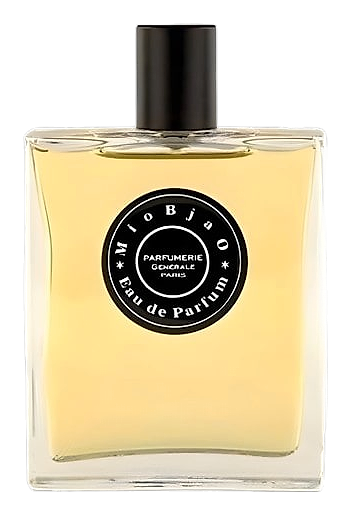
Pierre Guillaume launched Mio Bjao in 2010, during a period when the house was solidifying its identity as a poet of small, portable scents. The name itself, Mio Bjao, is a phonetic echo, a memory of sound rather than translation: a shout across a distance, half heard, entirely felt. Guillaume has always been interested in fragrance as evocation rather than declaration, and Mio Bjao was his study in warmth, specifically, the warmth of enclosed spaces, of candied fruit, of honey left to thicken in the dark. It is not a fragrance that explains itself. It arrives and settles, and if you're paying attention, it stays.
The composition is built around an almond-honey axis that isn't common in the Pierre Guillaume catalog, which tends toward florals and musks. Mio Bjao leans gourmand in the best possible way, sweet without being sugary, warm without being heavy. The plum bridges the gap between fruit and honey, giving the sweetness a darker, rounder quality than a simple sugar note would. Tonka bean in the base provides the powdery depth that keeps the drydown from reading as simply candy. Cedar grounds everything that came before it, turning warmth into something wearable rather than overwhelming.
The evolution
Almond arrives first, warm, nutty, with a marzipan edge that announces the fragrance without shouting. Plums follow within the first minute, their sweetness amplified as if sugared. The top notes hold for roughly 30 minutes before honey takes over, bringing a golden, slightly animal richness that shifts the composition from fruity to deeply sweet. Cinnamon surfaces around the second hour, threading through the honey and plum like a spice market whisper. The heart lasts 3-4 hours as tonka bean and cedar gradually override the florals, creating a drydown that is woody, powdery, and intimate. By hour five, the fragrance has become close to skin, something you find rather than something that finds you. On fabric, traces remain into the next day.
Cultural impact
Mio Bjao occupies a specific space in the Pierre Guillaume catalog, a warm, sweet, approachable fragrance from a house not always known for approachability. It sits comfortably among other Pierre Guillaume releases from 2010, a year that saw several inventive compositions from the house. The sweet-fruity-almond character gives it crossover appeal without sacrificing the house's independent spirit. Wearers tend to keep returning to it, not for the performance or the sillage, but for the warmth.