The Story
Why it exists.
The beginning
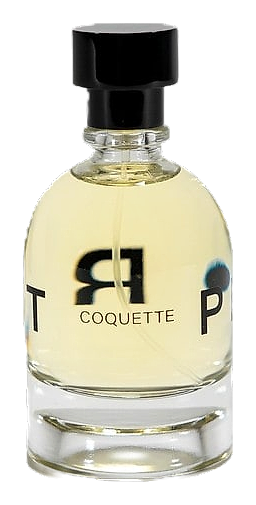
Callum Rory Mitchell approaches fragrance the way a filmmaker approaches a scene, with narrative intent, emotional stakes, and an understanding that what isn't said matters as much as what is. Coquette emerged from a specific moment: the charged stillness before flirtation becomes something more. It's a fragrance built around invitation, the kind that doesn't spell out what happens next. The name says it all. What Mitchell wanted to capture was the gap between wanting and reaching, the breath before the first move. Passion fruit provided the immediacy, bright, almost startling, like the opening line of a conversation that goes somewhere unexpected. Magnolia added the ambiguity. Sweet, yes, but with a sharper undertone that keeps things interesting. Not innocent, and not pretending to be.
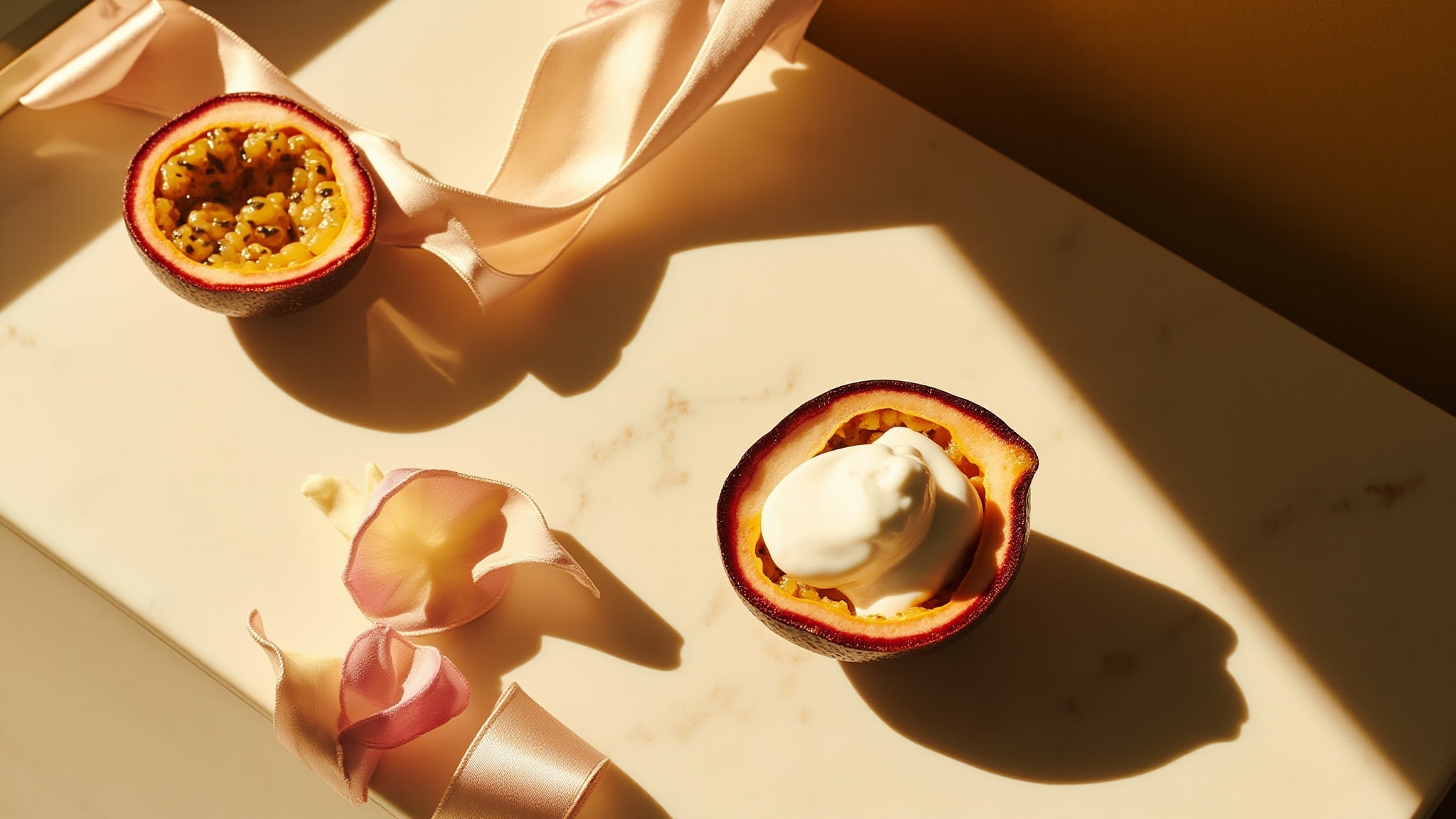
The tension in Coquette lives between tropical sweetness and something warmer underneath. Passion fruit is an aggressive note, sweet in a way that demands attention. Marshmallow softens it but doesn't tame it. Whipped cream bridges the gap, bringing dairy richness without the full weight of cream. Magnolia doesn't mellow the sweetness, it reframes it, adding a powdery warmth that reads as intimate rather than playful. What Mitchell built is a fragrance that smells like the moment before something happens. Every note is an invitation. None of them are a guarantee.
The evolution
The opening act hits immediately. Passion fruit arrives bright, tart, tropical, a directness that doesn't apologize for itself. Whipped cream softens the edges just enough to keep it from feeling like a smoothie. For the first twenty minutes, this is pure sunshine in a bottle. Then the hand-off begins. Magnolia enters the composition around the thirty-minute mark, shifting the character from pure fruitiness to something more ambiguous. The sweetness deepens. Marshmallow arrives to add body, soft, warm, with a powdery finish that lingers. This is the heart phase: warm, enveloping, almost dreamy. The silk note adds texture without weight, a clean finish that elevates the creaminess without competing with it. By the third hour, the drydown settles into something intimate. The passion fruit doesn't disappear, it softens, becoming a faint tropical warmth underneath a warm cream. What remains smells like skin, not perfume. The magnolia persists, carrying a powdery softness that stays close and quiet. This is where Coquette earns its reputation.
Cultural impact
Coquette arrived as part of a wave of indie Australian perfumery challenging the notion that boundary-pushing fragrances require Parisian or New York credibility. Perdrisât's Melbourne studio operates outside the traditional perfume industry infrastructure, creating fragrances in small batches without external investment. This independence allows for uncompromising composition choices, like leading with passion fruit rather than hedging into safer territory. The fragrance's provocative title and bold tropical-gourmand character have positioned it as a statement piece within niche circles, generating discussion about what Australian perfumery can contribute to global fragrance conversations.