Callum Rory Mitchell
Callum Rory Mitchell arrived in Melbourne with a reel of short films and a curiosity for scent. After years behind the camera, he turned his eye to chemistry, apprenticing with local artisans and teaching himself the language of essential oils. In 2015 he launched PERDRISÂT, a boutique house that bears his name and his insistence on hand‑crafted, small‑batch production. From the first spray of Fleur de Sel, a salty‑kissed mineral accord created with designer Lucy Folk, to the woody heart of Coeur de Bois, Mitchell proved that a filmmaker’s sense of timing can translate into fragrance. He builds each bottle on a kitchen table, measures every drop, and refuses to outsource the final pour. The result is a collection that feels intimate, each scent a scene captured in amber glass. Over a dozen releases later, his name appears on every label, and his reputation rests on honesty as much as on aroma.
The hits
Notable creations

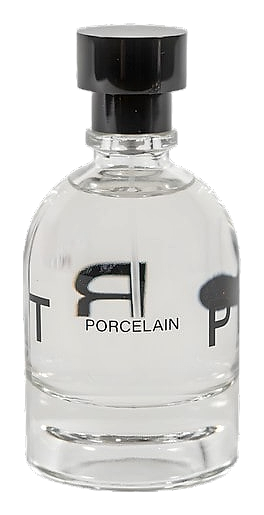
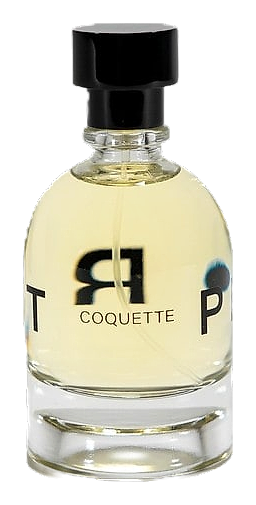





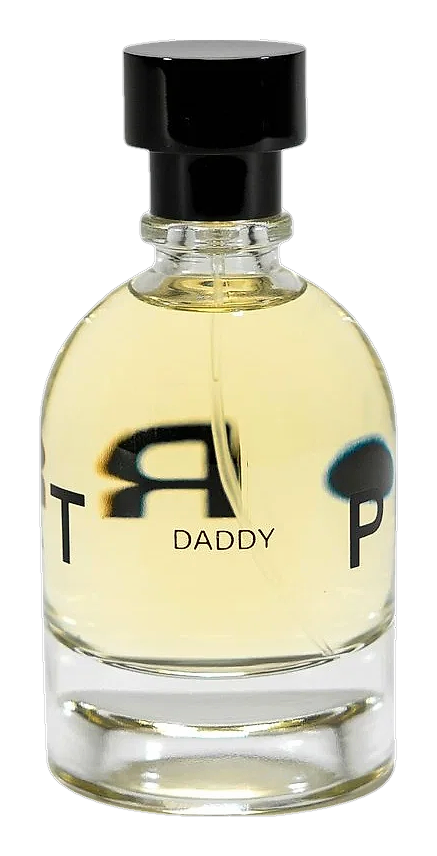

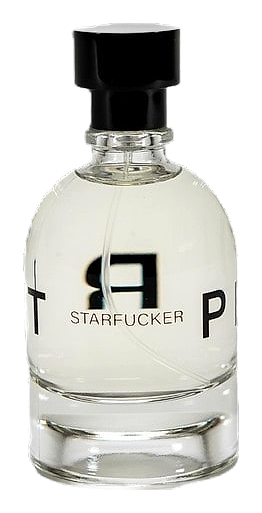

The signature
How Callum composes
Mitchell favors raw, single‑origin materials that carry a trace of their origin. He often begins with a mineral or marine accord, then layers citrus or green foliage to add lift. A signature technique is to age the blend in glass jars for several weeks, allowing subtle oxidation to soften edges. He avoids synthetic accords that mask complexity, preferring natural absolutes such as labdanum, cedarwood, and seaweed extract. When he works with collaborators, he keeps the palette narrow, letting a single accent—like pink pepper or smoked birch—define the piece. The result feels unforced, each perfume revealing its structure slowly, like a film that unfolds scene by scene.
Philosophy
What drives Callum
Mitchell treats perfume like a storyboard. He sketches a mood, selects a handful of notes, then lets them interact until the composition reads like a finished cut. Sustainability guides every decision; he sources ingredients that can be harvested responsibly and caps production at a level that matches demand. The hand‑bottling ritual anchors his work in the present, reminding him that a scent lives only as long as the wearer remembers it. He believes a fragrance should evoke a memory without dictating it, offering a framework for the imagination rather than a prescribed narrative.
The houses