The Story
Why it exists.
The beginning
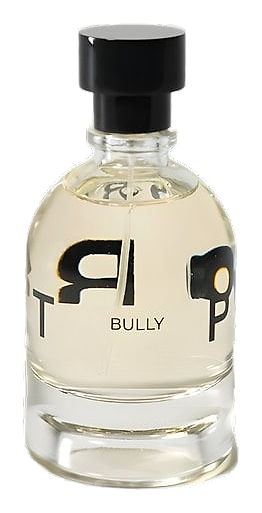
There's a scene in every good film where a character you expected to be hard turns out to be soft. That moment is Bully. Callum Rory Mitchell built this house on cinematic logic, every fragrance a scene, not a concept, and Bully is the scene where the tough exterior finally cracks. The name is a provocation, but the juice answers it quietly. It's leather told from the inside of a jacket, not the outside of a fight. Violet and Cetalox take the edge off what could have been brutal, leaving something warm and worn and oddly tender. That's the scene: the thug who cries at the movie. That's Bully.
What makes Bully unusual is how it inverts the leather genre. Most leather fragrances announce themselves. Bully asks you to come close. The Cetalox is doing heavy lifting here, it's not the skatole kind of animalic, it's the warm, almost incense-like synthetic that smells like ambergris without the controversy. Paired with powdery violet and a vanilla undertone that never fully sweetens, you get leather that reads like warmth rather than authority. The patchouli keeps it grounded, earthy, real. It's leather for someone who doesn't want to announce themselves.
The evolution
The opening is violet. Bright, powdery, slightly sweet, a deceptive softness that makes you forget what you're wearing. Thirty minutes in, leather arrives. Not sharp, not aggressive. Worn leather. The kind that has history in it. The Cetalox amplifies everything around it, turning the violet-patchouli middle into something warmer and more intimate. By hour two, the drydown is all vanilla and leather, creamy and close to skin. It never explodes outward. It stays. It lingers. The next morning there's a faint warmth on fabric, amber and leather, softened by sleep.
Cultural impact
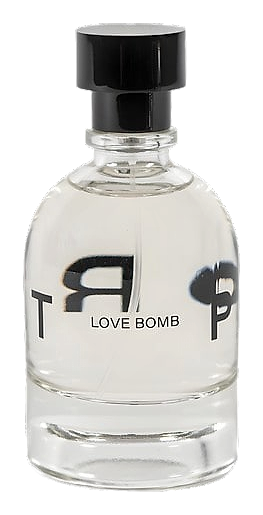
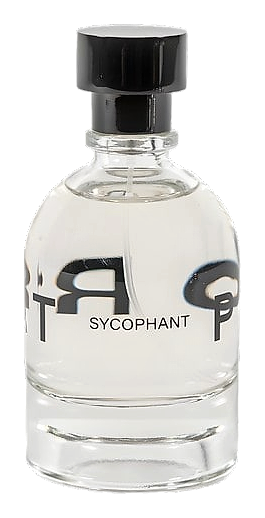
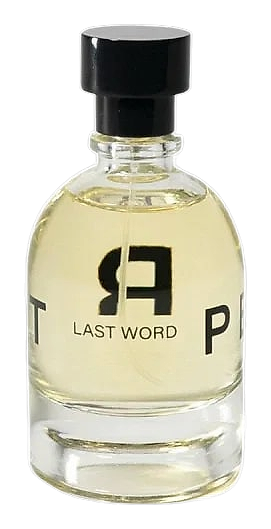
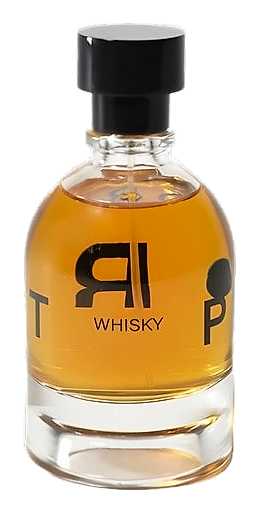
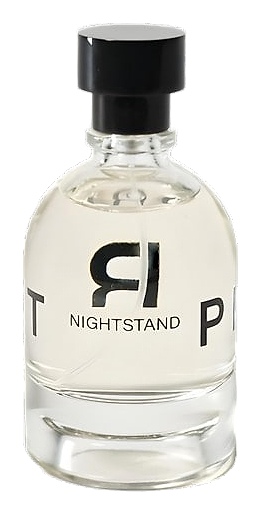
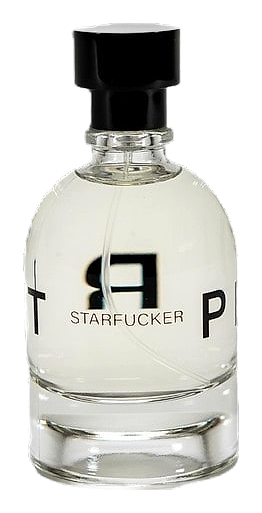
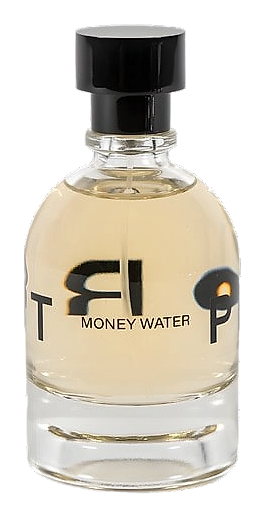
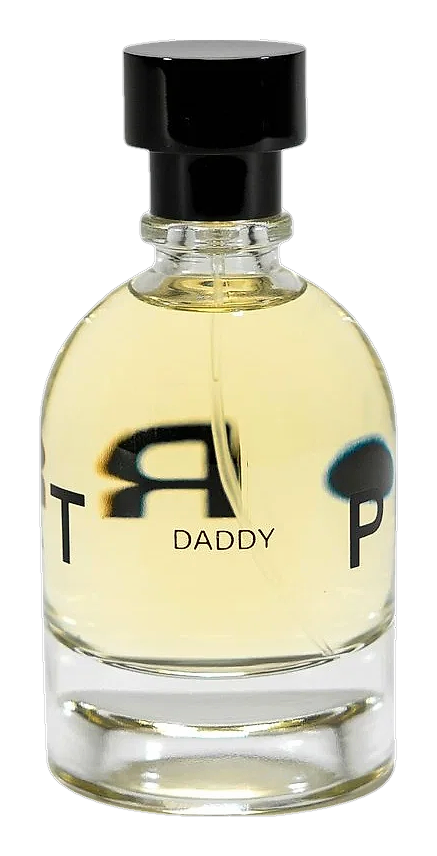
PERDRISÂT arrived in 2022 as part of Melbourne's small but growing independent fragrance scene, and Bully represents a deliberate choice to use provocative naming within that context. The fragrance launched alongside seven other scents from founder Callum Rory Mitchell, all bearing confrontational titles that reject the conventional luxury marketing of mainstream perfumery. This naming strategy taps into a broader shift in niche fragrance culture where fragrance houses use provocative language to signal independence from traditional industry aesthetics. Bully specifically occupies an interesting position: its name suggests aggression while its actual composition delivers restraint.