
The Story
Why it exists.
The beginning
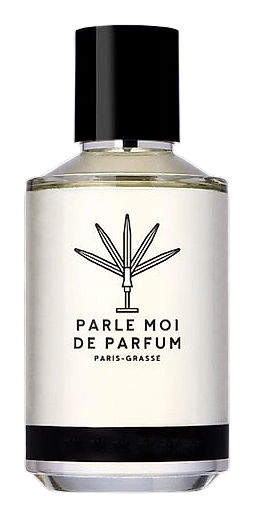
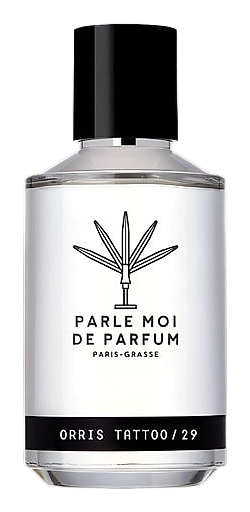
Michel Almairac has worked with orris since the early 1970s. He knows what it is when it comes out of the ground, what it becomes after three years of aging, and exactly how much of it a fragrance needs before it stops being itself. In 2018 he gave Orris Tattoo, a single accent, a single material, a portrait of one thing done completely. No florals piled on top. No supporting notes softening the edges. Just orris, held in place the way a photographer frames a subject against a plain backdrop. The root arrives mineral-dry and powdery, violet leaf brightness cutting through the earthy depth beneath. Chalky iris powder hangs in the air like dust motes in a sunbeam.
The point is the material itself. Iris florentina root has to be harvested, cleaned, dried, and aged for years before it yields anything worth capturing, by which point it smells nothing like the flowers florists sell. It smells like violet powder cut with mineral chalk, suede warmth, and a green earthiness that no synthesis can convincingly replicate. That's what three years buys. Less a fragrance note than a proof of patience. The house takes this same deliberate approach with every ingredient, sourcing each from its region of origin.
The evolution
Orris Tattoo opens cool and mineral, almost cold, like chalk dust rising from freshly cut root. The violet character develops within the first hour, edging closer to powder than flower. There's no jolt, no dramatic transition, just the slow arc from mineral to floral to softer. A green undertone survives the first phases, keeping the composition grounded in earth even as the violet lifts. By the time the drydown arrives, maybe four to six hours depending on the skin, what remains is a clean suede warmth, creamy, quiet, intimate. The longevity sits solid at six to eight hours on most. Projection stays moderate throughout, it breathes near the skin rather than announcing from across the room.
Cultural impact
In a market where complexity is often mistaken for quality, Orris Tattoo ships a single material and lets the wearer's patience do the rest. It's the kind of fragrance that rewards knowing what you're looking for, and equally the kind that makes someone who's never heard of orris suddenly very curious.
The House
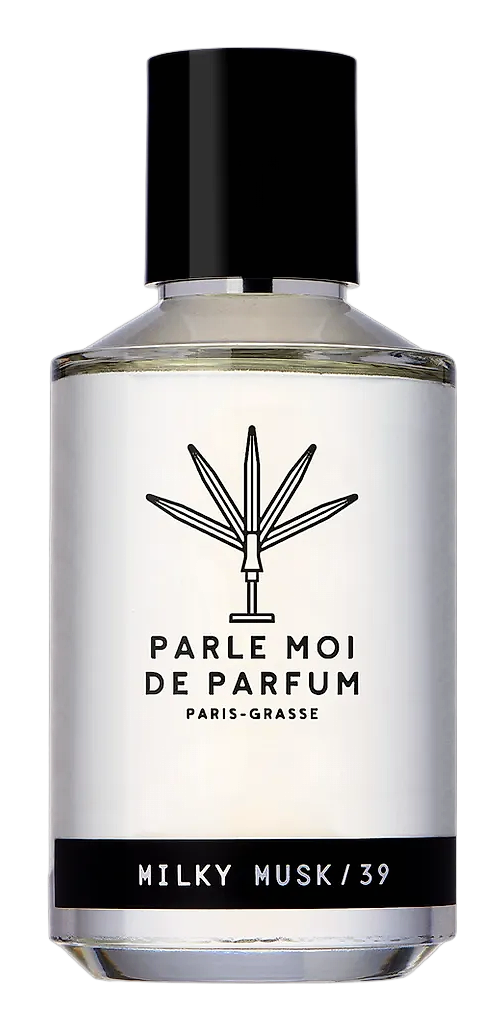
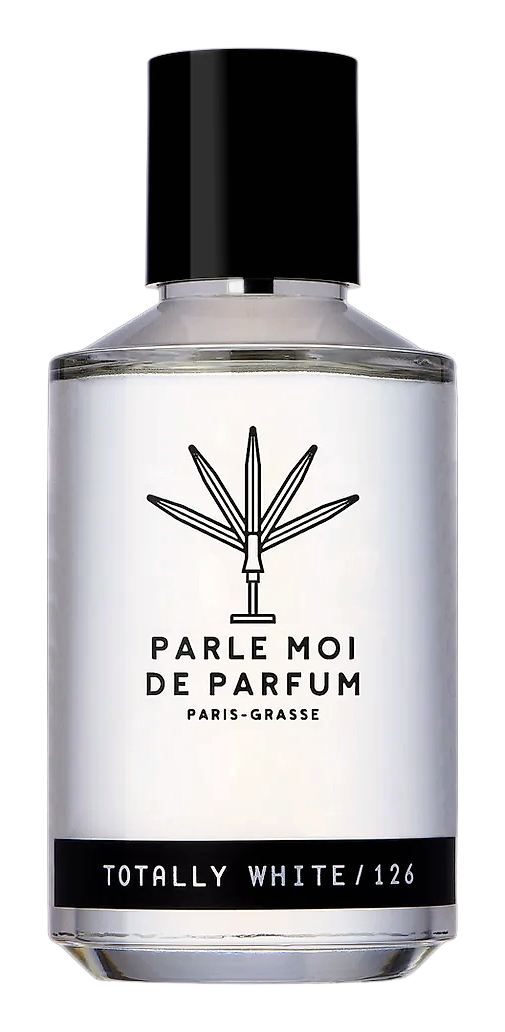
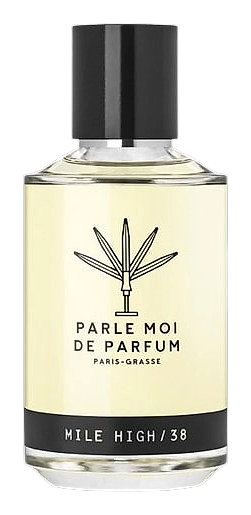
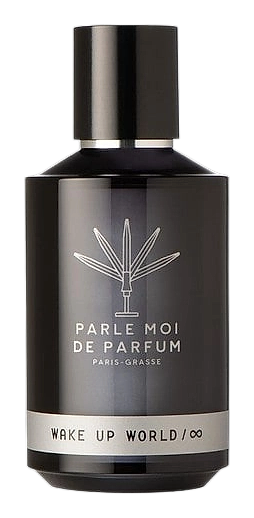
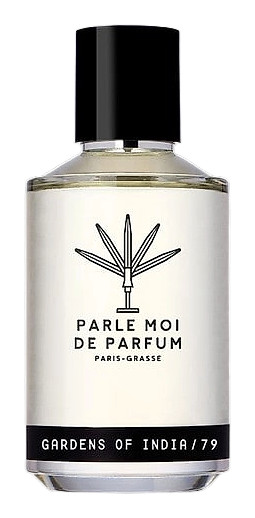
Parle Moi de ParfumParle Moi de Parfum is a French niche fragrance house that opened its first boutique on Rue de Sévigné in Paris on 10 September 2016. The label grew out of a family tradition: brothers Benjamin and Romain Almairac inherited a lifelong fascination with scent from their father, Michel Almairac, a perfumer who has worked for global brands since the early 1970s. Their catalogue blends familiar accords with unexpected twists, offering scents such as Papyrus Oud 71 (2018) and Gardens of India 79 (2019). The brand invites visitors to explore raw materials in a dedicated laboratory, turning the act of smelling into a shared experience rather than a solitary purchase.
The Creator
Michel AlmairacAmong perfumistas, Almairac is celebrated for technical precision married to restraint. He does not overwhelm or overcomplicate.