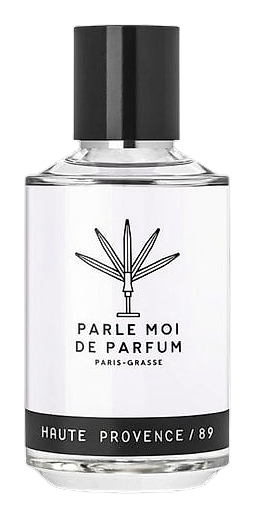
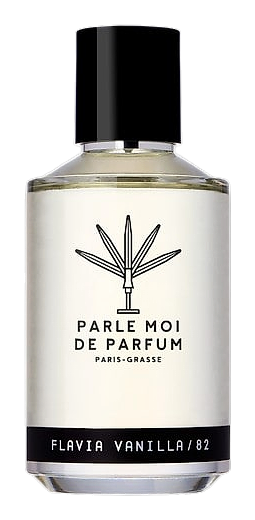
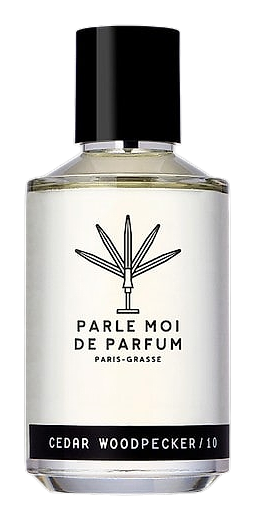
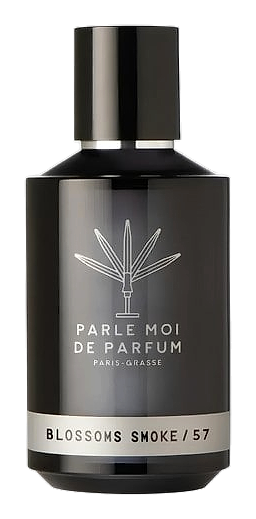
Heritage
A house, in its own words
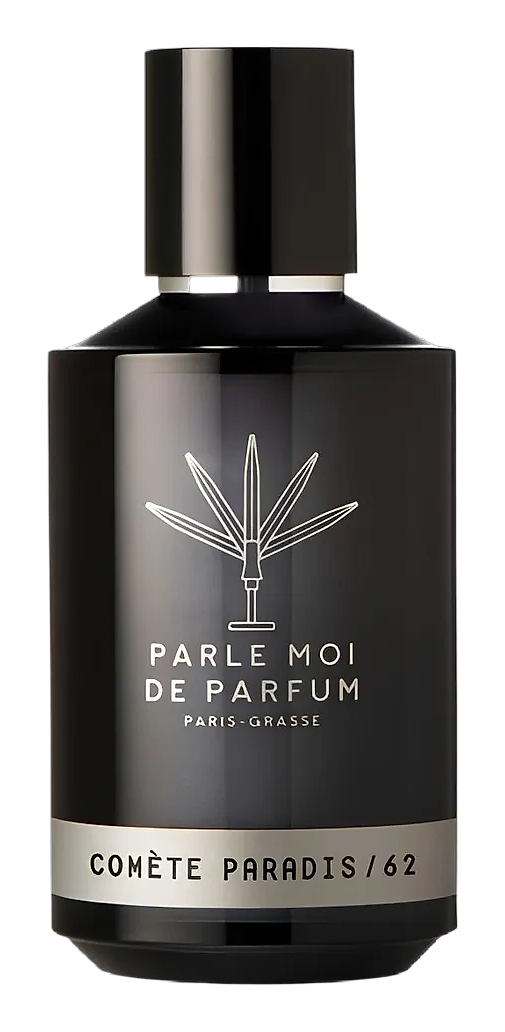
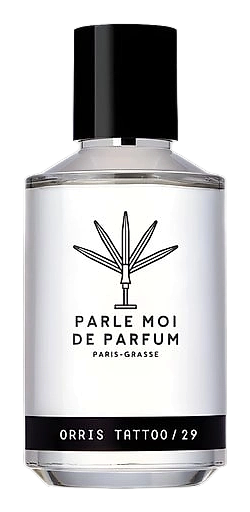
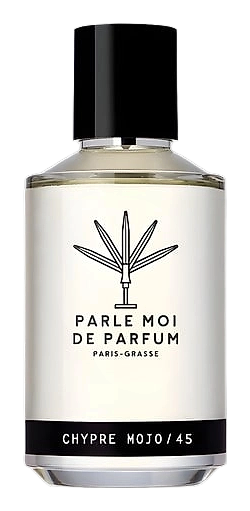
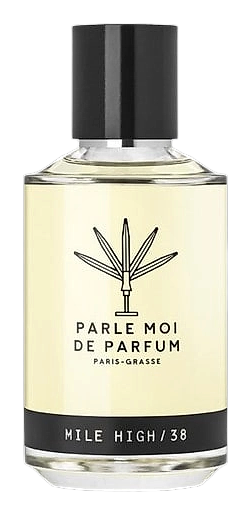
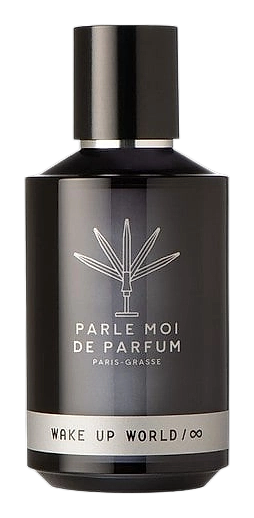
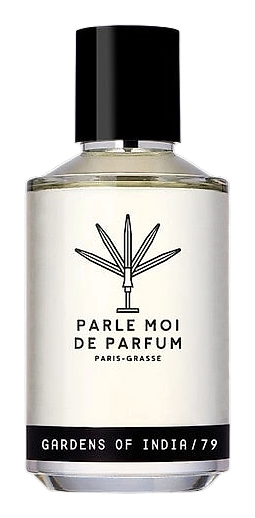
The Almairac family has been linked to perfumery for more than five decades. Michel Almairac began his career in 1971, creating fragrances for major houses while maintaining a private laboratory where he experimented with natural extracts. His two sons, Benjamin and Romain, grew up surrounded by scent‑filled drawers and stories of their father's work trips. In 2016 they decided to translate that heritage into a public venture. On 10 September 2016 they launched Parle Moi de Parfum at 10 Rue de Sévigné, a fourth‑arrondissement address that also houses a scent‑lab where customers can test raw ingredients. The boutique’s interior, designed by Elisabeth (last name not publicly disclosed), combines reclaimed wood with glass displays, reinforcing the brand’s emphasis on tactile discovery. The first few releases reflected the brothers’ desire to reinterpret classic families of notes. In 2018 they introduced Papyrus Oud 71, a composition that paired smoky papyrus with deep oud, and Orris Tattoo 29, a powdery iris that highlighted the delicate side of the brand’s palette. 2019 saw Gardens of India 79, a fragrance that evoked monsoon‑wet gardens through a blend of wet‑leaf green notes and warm spices. 2022 the house released Wake Up World, a bright, citrus‑driven scent that marked a shift toward more optimistic, daytime‑oriented creations. 2023’s Comète Paradis 62 added a celestial, airy dimension, while the 2025 Orange Hyper Essence X pushes the envelope with a high‑concentration orange accord that the brand describes as “hyper‑pure.” Each launch has been accompanied by small‑scale events at the Paris boutique, where the brothers demonstrate the sourcing of a key ingredient—often a rare oud chip from Indonesia or a hand‑picked iris root from Tuscany—reinforcing the narrative that every bottle carries a piece of the family’s ongoing dialogue with scent. The brand’s growth remains modest; it has not opened additional retail locations, preferring to deepen the experience at its original shop while expanding its catalogue through selective online partners. Parle Moi de Parfum frames fragrance as a conversation between generations. The brothers state that scent should be approachable yet layered, allowing a wearer to discover new facets over time. Their creative process begins with a memory or a story from their childhood, which they translate into a brief for a raw material. They then source the ingredient directly from the region where it originates, aiming to preserve the cultural context of the note. This approach reflects a belief that authenticity arises from respecting the provenance of each element. The house avoids trend‑driven releases; instead, it follows a seasonal rhythm that mirrors the natural cycles of planting and harvest. Benjamin has spoken about the importance of “listening to the material” before committing to a formula, a practice that encourages patience and reduces waste. Romain adds that the brand values transparency, offering visitors the chance to smell the raw extracts used in each perfume. This openness extends to the packaging, where the brothers prefer simple, recyclable glass that showcases the liquid rather than obscuring it with excessive branding. In interviews, the founders emphasize sustainability not as a marketing tagline but as a lived practice. They prioritize suppliers who employ traditional extraction methods, such as steam distillation for rose or cold‑pressing for citrus, and they support cooperatives that provide fair wages to farmers. The philosophy therefore intertwines artistic curiosity with ethical stewardship, positioning each fragrance as a small, responsible act of storytelling.