
The Story
Why it exists.
The beginning
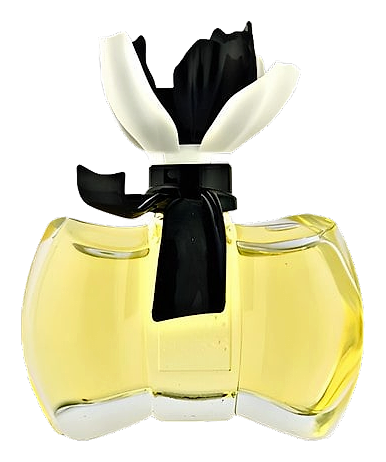
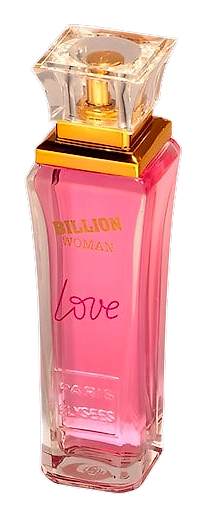
La Petite Fleur d'Amour translates directly: the little flower of love. Paris Elysees built its identity around momentary narratives, short sensory stories that capture a specific feeling or scene. This fragrance is one of those moments, made tangible. Launched in 2015, it fits into the house's philosophy of fragrance as portable memory, as intimate discovery rather than status display. The name itself is a declaration, small in stature, enormous in presence, chosen by someone who understands that the most powerful scents are the ones that stay close.
What makes this composition noteworthy is its restraint. The peach note doesn't arrive with fanfare, it's already there, soft and ripe, part of the opening. The green notes provide structure without sharpness, keeping the fragrance grounded in something natural and unhurried. The white musk and amber base creates warmth that lingers close to the skin, developing gradually over hours rather than announcing itself immediately. It's fruity without being juvenile, soft without being forgettable. The tension between freshness and warmth is where this fragrance lives.
The evolution
The opening is immediate: bright fruit, a hint of the herbal, sweetness that reads as fresh rather than sugary. Within the first hour, the green heart asserts itself, not sharp, not vegetal, just present. It keeps everything honest. The peach doesn't try to dominate. It just sits there, soft and natural, like it belongs. Then the drydown arrives: white musk and amber weaving together, a warmth that stays close for hours. The woody notes give it just enough structure to feel intentional. On most skin types, the evolution moves through three clear phases, bright opening, grounded heart, intimate base, each one quieter than the last.
Cultural impact
La Petite Fleur d'Amour arrived at a moment when the fragrance market was shifting toward accessible luxury. Launched in 2015 by Paris Elysees, a house built on the principle that premium perfumery should not require a luxury budget, this scent represented a broader democratization of sensory pleasure. The fragrance's emphasis on intimacy over projection mirrored a cultural turn toward subtlety and personal expression. In an era of oversharing and sensory overload, the scent offered a quiet rebellion, a fragrance that whispered rather than shouted. Its continued presence in the Paris Elysees catalogue speaks to its resonance with wearers who value understated elegance.