
The Story
Why it exists.
The beginning
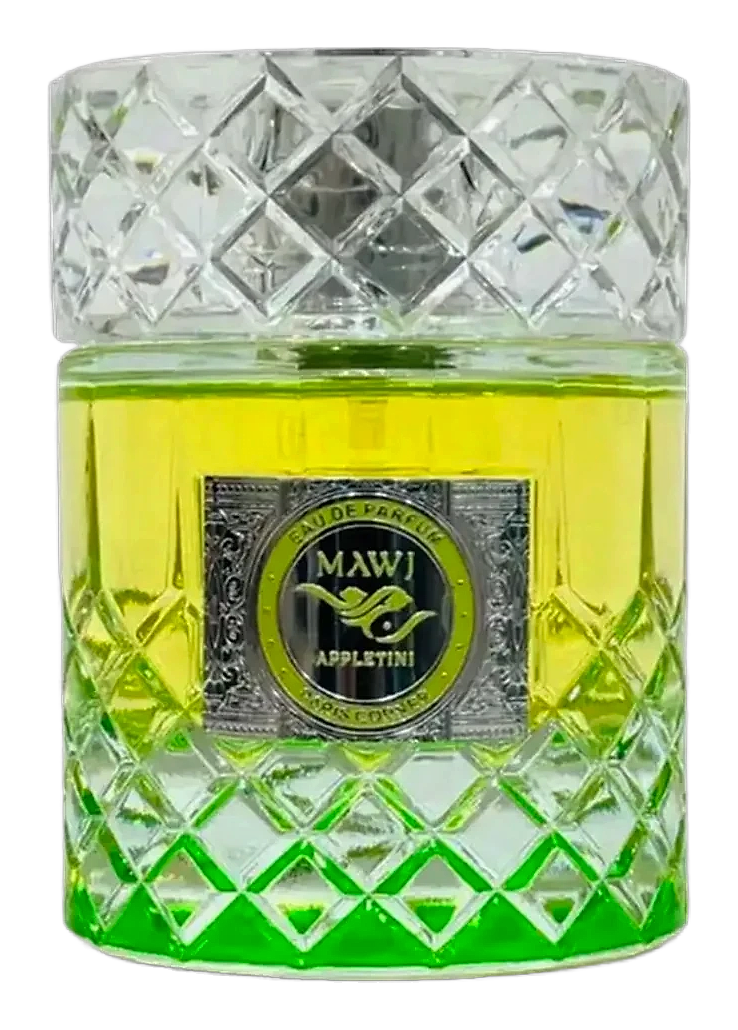
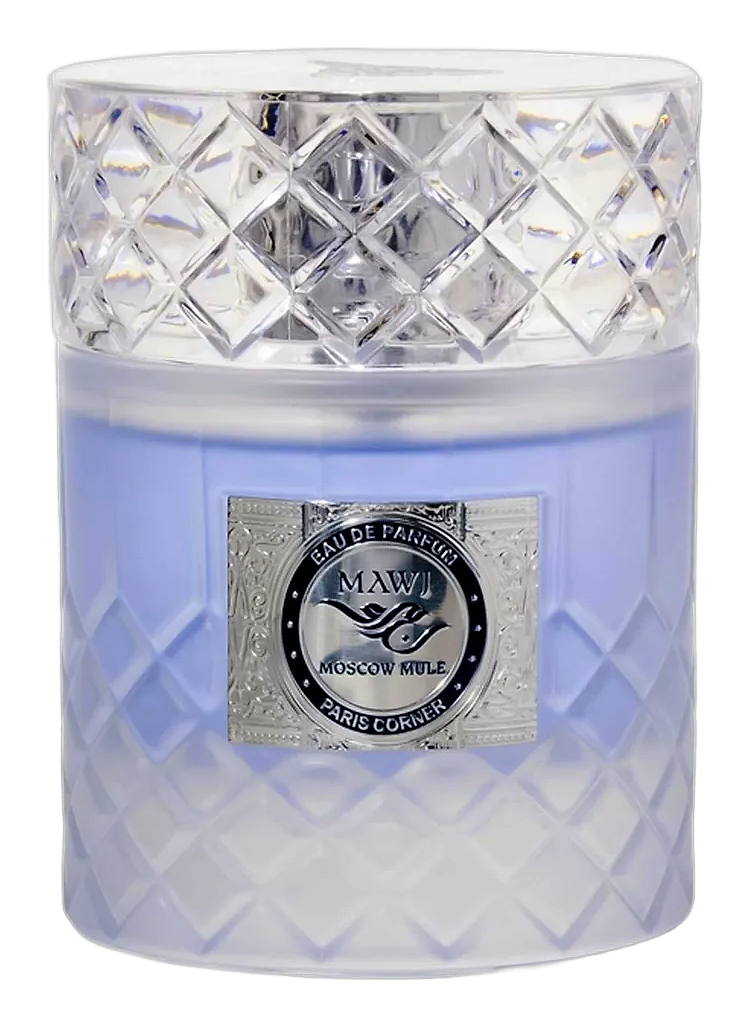
The Moscow Mule. Vodka, lime, ginger beer. Served in a copper mug that freezes your fingertips in summer. Ice cubes cracking against metal, the hiss of carbonation, that specific green sourness cutting through the spirit. It's a drink that asks for very little and delivers a lot. PARIS CORNER looked at that moment, bar light, cold metal, bright and brief, and asked: why not bottle it? The challenge wasn't replicating a cocktail. It was suspending that feeling, the effervescence and refresh, into something that could outlast a glass of ginger beer. The citrus-herbal combination of the drink suggested a natural pyramid: sharp citrus top notes to capture the fizz and lime, mint and cypress heart to keep the cool mineral quality alive, a moss base to ground the whole thing the way the copper mug grounds the drink. The result is a fragrance that smells like opening time on a warm afternoon, when the first round arrives and the glass is still cold.
What makes this composition interesting is not any single ingredient but how the mint amplifies everything around it. Mint isn't a heart note that anyone notices first, it's a modifier, a volume control on the other materials. Here, it pushes the lemon from bright to almost tart, makes the ginger read clean rather than sweet, and gives the cypress a coolness it wouldn't have alone. Without mint, you'd have a perfectly pleasant citrus fragrance. With it, the whole structure feels more alive, more aromatic, more intentional. The moss base plays a quieter role but an essential one.
The evolution
First hour: the fizz. Lemon, ginger, and bergamot arrive as a unit, not stacked, not sequential, simultaneous. The lemon reads as tart and almost sharp, less sweet than the fruit suggests. The ginger is clean spice, no sweetness. The bergamot holds it all together with a clarity that feels cool rather than warm. It smells like the moment before the first sip, when the glass arrives and everything is still cold. Second and third hours: mint takes over. This is the defining phase of the fragrance, where it stops being a cocktail reference and starts being its own thing. The initial citrus pop recedes, and mint and cypress take the stage, with a cool, aromatic, almost medicinal clarity that pulls away from the drink entirely. You stop thinking about the Moscow Mule. You start thinking about clean, green, alive. Final hour to drydown: moss. The composition loses its aromatic brightness almost entirely. What's left is close and quiet, moss, ozonic, a subtle mineral/ambery quality, a drydown that reads as natural rather than composed.
Cultural impact
Mawj Moscow Mule occupies crowded territory in the fresh-citrus Unisex category that floods spring and summer releases from nearly every house at every price point. What separates it from dozens of similar offerings is its commitment to a mint-forward heart: the fragrance commits to an aromatic, almost medicinal coolness rather than softening into a generically fresh profile. The scent earns its cocktail-inspired name in the opening, where bright citrus and ginger evoke that first sip, then quietly evolves as the heart develops.