The Story
Why it exists.
The beginning
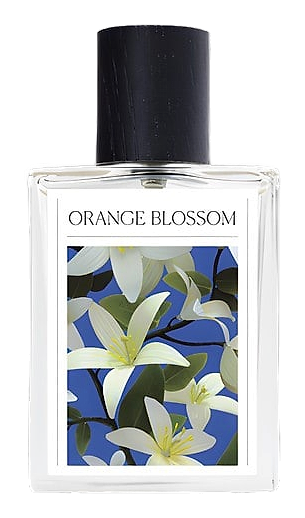
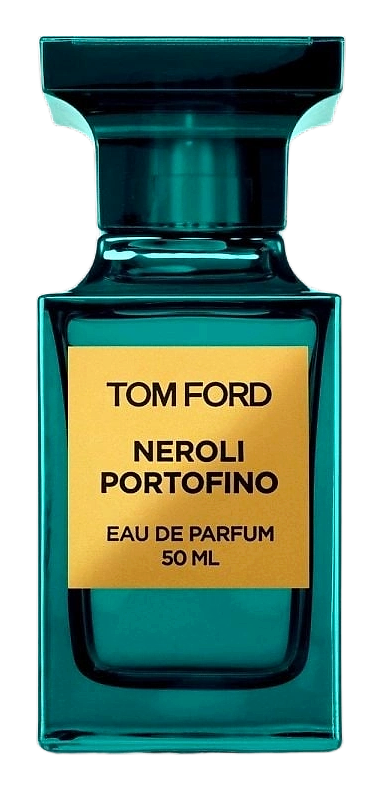
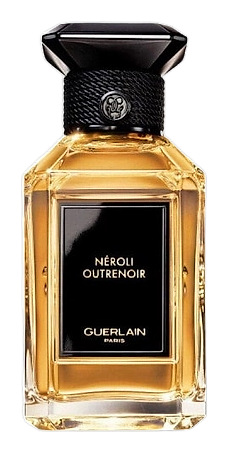
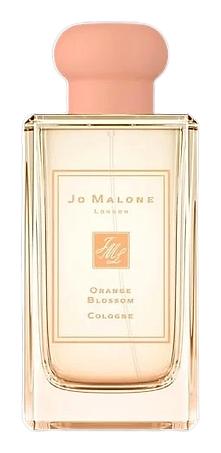
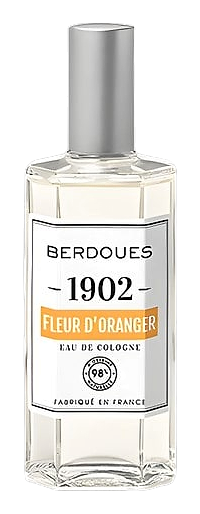
The name says it all. Fleur d'oranger, orange blossom, has perfumed the south of France for centuries. It flavors the pastry, decorates the wedding bouquet, filling the air with its unmistakable sweetness when the trees bloom. The 1902 collection at Parfums Berdoues is built around these signature materials, and Fleur d'Oranger is its most direct expression: petitgrain, neroli, and citrus fruits opening bright, orange blossom holding the heart, white musk keeping everything close. Refined enough for a Toulouse afternoon. Bright enough to wear again tomorrow. And the next day. The opening salvo of citrus and petitgrain arrives with immediacy, a burst of tart brightness that feels both invigorating and grounded.
What makes this work is the restraint. Orange blossom as a solo note can skew heavy and indolic, the kind of white floral that announces itself from across a room. Here, the petitgrain and neroli keep it honest. The citrus top means the sweetness never overwhelms. The white musk means the drydown stays clean rather than powdery. This is not orange blossom as a statement. It is orange blossom as a conversation, one that does not need to shout to be heard. The result is a cologne that wears like a second skin, the kind of fragrance you reach for not because it will impress anyone, but because it feels like the right answer to the question you did not ask this morning.
The evolution
The opening arrives fast, neroli and petitgrain hit the skin within seconds, that flash of citrus brightness followed immediately by the green bitterness of the stems. Not harsh. Not sharp. Just immediate. Soon, the orange blossom arrives and the composition changes register entirely. The brightness gives way to something creamier, warmer, the sweet floral character of actual flowers rather than their representation. This is the fragrance's real character, and the reason to wear it. The white musk in the base does what white musk does best: it holds the floral character close to the skin, extending the drydown before the scent settles into something quiet and intimate. The final impression is of clean skin, fresh fabric, a person who did not try too hard. Refined in the way a good spa is refined, not decorated, just correct.
Cultural impact
The Fleur d'Oranger tradition in perfumery stretches back centuries in the Mediterranean regions where orange trees were cultivated. The delicate blossoms have long been prized for their intoxicating scent, finding their way into both formal perfumery and everyday life across these sun-drenched lands. Creating a petitgrain and neroli blend like this one draws on this deep well of tradition, combining elements that have been valued in fragrance for generations.