The Story
Why it exists.
The beginning
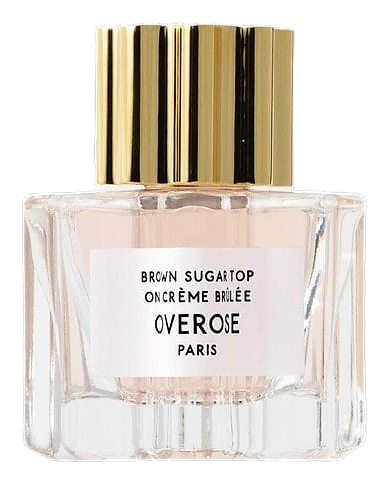
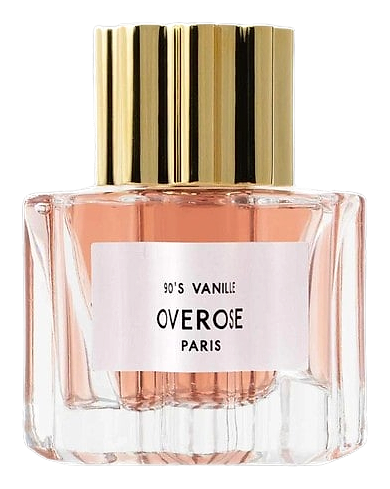
The name is the brief. 90's Vanille arrived in 2024 from Overose, the Paris house. Fragrance as mood, as tactile object, as something that makes a room feel inhabited rather than decorated. The decade reference isn't literal nostalgia. It's an attitude. Vanilla that knew what it was and didn't hedge about it. This one captures what vanilla smelled like before it became a candle aisle cliché. Before 'gourmand' meant 'safe.' Vanilla as a statement, not a default.
The structure is the story. Most fragrances list vanilla as a base note, warmth tucked at the bottom of the pyramid. 90's Vanille stacks it. Vanilla orchid in the top, vanilla cream and praline in the heart, vanilla still present in the base alongside brown sugar. It's the same material expressed three different ways, each layer revealing a different texture of the same obsession. Palo Santo, dry, slightly smoky wood, functions as the counterweight. Without it, the composition would float. With it, the sweetness has somewhere to land and stay.
The evolution
The opening is Hedione's doing. That jasmine-adjacent lift that makes the vanilla orchid feel green instead of sweet. The heart settles into brown sugar and praline, still sweet, but denser now, more resinous. Then the Palo Santo announces itself. Dry wood against warm sugar. The sweetness doesn't disappear; it changes direction, moving closer to skin instead of filling the room. The base settles into caramel territory, quiet, close, the kind of scent someone notices only when they're near enough to matter.
Cultural impact
The '90s vanilla reference echoes a broader cultural rediscovery of that decade's aesthetics, fashion, music, and now scent. One early reviewer noted the fragrance reminded them of Yves Rocher vanilla products, which featured prominently in German teen magazines of that era. The fragrance doesn't replicate those discontinued scents, it captures the same energy. Vanilla as everyday pleasure, not luxury statement.