The Story
Why it exists.
The beginning
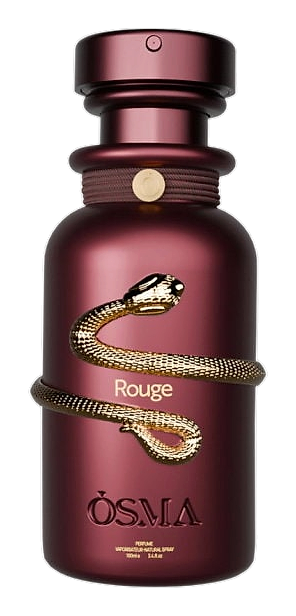
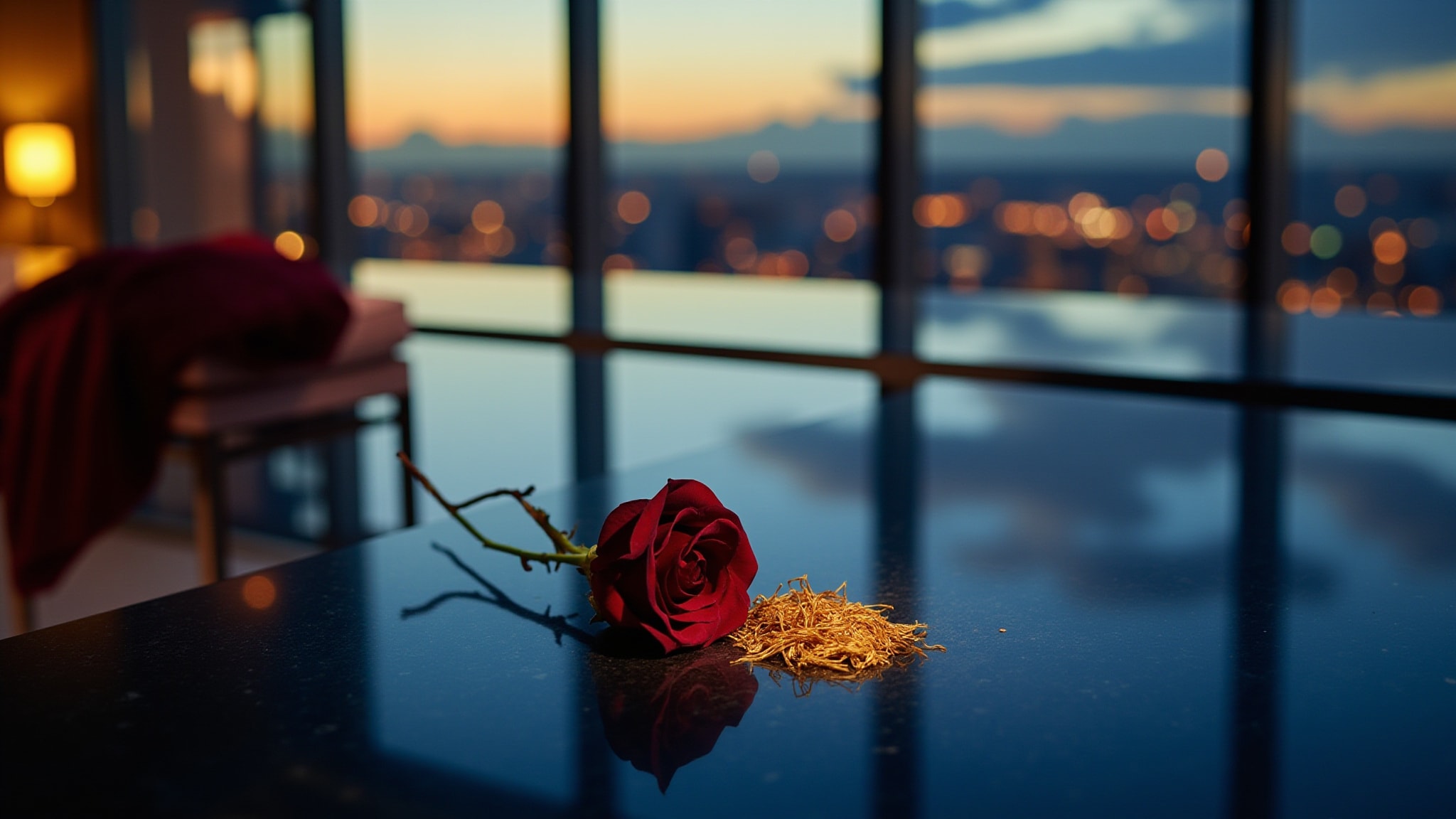
Rouge arrived as Osma's answer to a simple question: what does rose look like when it stops being polite? The composition strips rose down to its essentials and rebuilds it around warmth rather than softness. No mystery, no preciousness. Just a confident floral wrapped in spice, the kind of fragrance that commits to a mood rather than a genre. The name says it. Rouge. Red. The color of rose petals pressed into saffron oil, the stain of cinnamon on fingertips. There's a directness to the whole thing, a refusal to disguise what the scent is about. It's the smell of rose at full volume, supported by the kind of heat that makes the flower feel alive rather than ornamental.
What makes Rouge interesting is the restraint. Rose can easily disappear under layers of competing sweetness, becoming a suggestion rather than a statement. Here, the rose holds its ground without needing armor. It feels present and unforced, the way a good floral should. The base of cedarwood and sandalwood grounds everything without adding darkness. The woods don't fight the rose; they steady it, giving the composition a clean architecture that lets the flower breathe. This isn't a rose that's trying to shock you.
The evolution
The first minutes belong to spice. Cinnamon hits bright and immediate, joined by saffron that adds depth and a slightly savory texture. There's a flicker of heat that reads more like warmth than aggression, the kind of opening that pulls you in before you can name what's happening. As the composition settles, the rose arrives. It comes in drier rather than syrupy, a lifted floral with presence and clarity. The saffron continues to anchor the space underneath, giving the rose somewhere to land. This is where Rouge finds its center of gravity. Four hours in, the cedarwood and sandalwood take over. The spice fades to a memory, the rose softens into something almost velvety, and what remains is a clean, warm wood drydown.
Cultural impact
Cinnamon and saffron have long carried weight in perfumery, notes associated with warmth, sensuality, and quiet opulence across cultures and centuries. Their pairing in a single composition has become a recognizable signature in modern fragrance, evoking richness and intimacy without needing to shout. Rouge leans into that heritage without feeling like a costume, threading the spices through a rose-centered composition that feels grounded and current. The result is a fragrance that respects what these notes have always meant while speaking in a register that feels accessible and contemporary.