
The Story
Why it exists.
The beginning
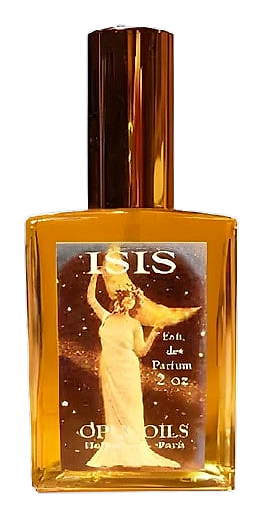
Divine: Isis is named for the ancient Egyptian goddess of magic, healing, and protection, a deity associated with resurrection and sacred ceremony. Kedra Hart, who founded Opus Oils and opened the Jitterbug Perfume Parlour in 2008, created this fragrance that same year. The name is not decorative. It's an invocation, a request that the wearer carry something of the goddess's weight and grace.
The blue lotus absolute is the rarest material here and the most telling. In ancient Egyptian tradition, the blue lotus was a sacred symbol of rebirth, used in temple rituals and funerary contexts. It opens the fragrance with a cool, slightly aquatic floral note that feels almost spiritual. European white water lily absolute, another sacred material, adds to this delicate quality. Together with frankincense, the smoke of ancient offerings, these materials form the fragrance's backbone. The coconut and jasmine soften everything, making the sacred approachable without diminishing it.
The evolution
The opening announces frankincense and blue lotus in something crisp, almost cool, a breath before ceremony. Within minutes, myrrh arrives with its medicinal, resinous weight. Then the strange alchemy begins. One reviewer described it as gold slowly turning blue, and that's precise. The composition shifts as it warms on skin, the heavy resins meeting the delicate florals in a slow dissolve. By the heart phase, jasmine and coconut take over. The coconut is the surprise here: it shouldn't work in a fragrance named for a goddess, but it does. It keeps the sacred from becoming austere. The white water lily emerges last, late in the development, adding a watery softness that lingers. By the drydown, myrrh and sandalwood hold the base, warm, intimate, close to the skin. Performance varies, but the consensus holds: this outlasts most things in the collection. A trace remains by morning.
Cultural impact
Divine: Isis relies heavily on sacred materials, blue lotus and white water lily, that carry centuries of spiritual meaning. This kind of ingredient choice separates a fragrance from the mainstream. It appeals to wearers drawn to ritual, to history, to scent as autobiography rather than conformity. The reception has been divisive in the best way: people either connect with its temple quality or find it too heavy. Those who connect tend to connect deeply.