The Story
Why it exists.
The beginning
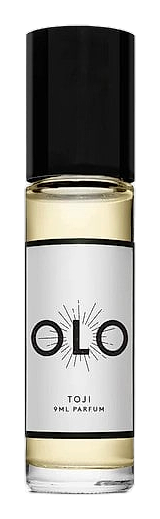
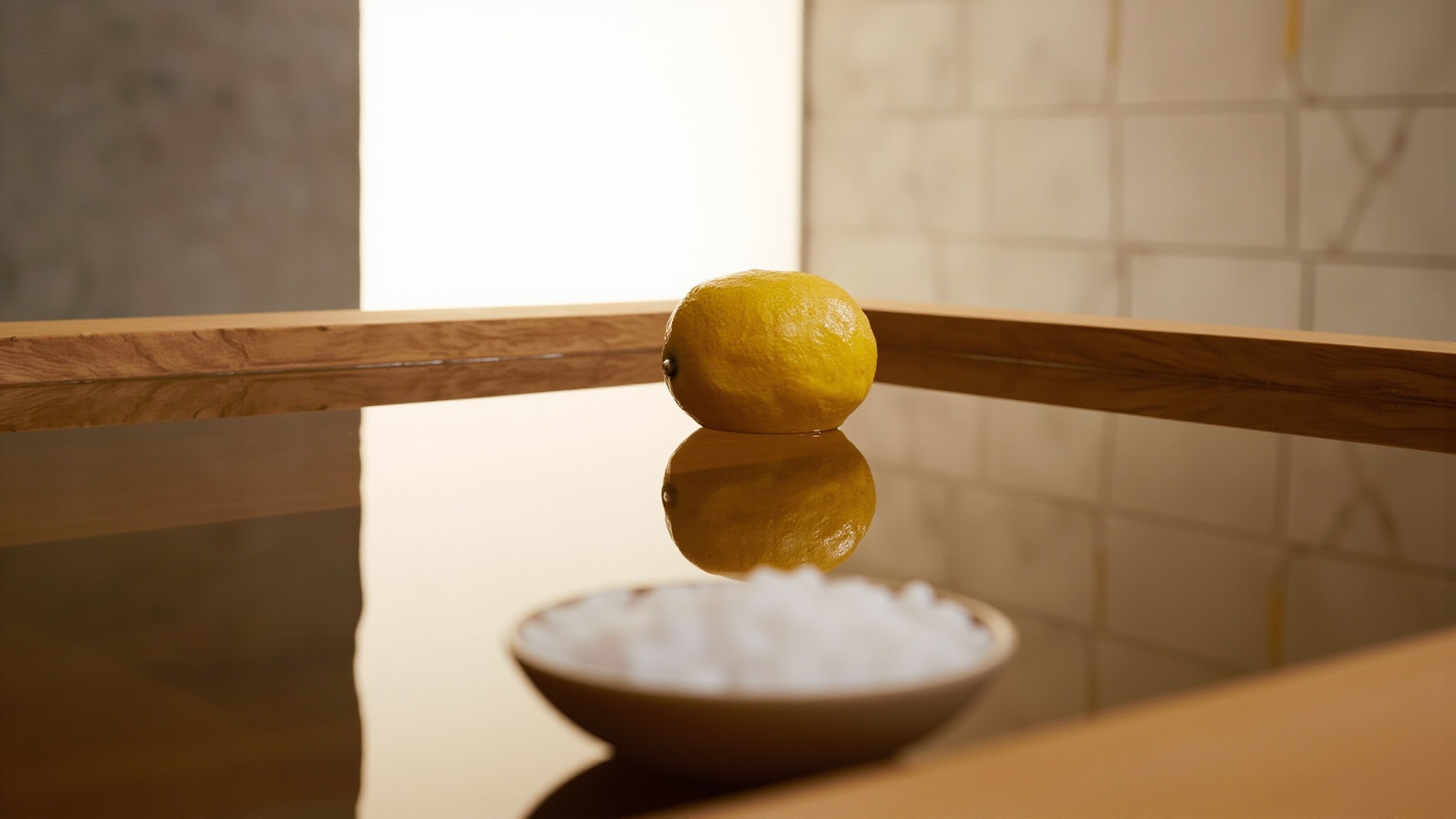
Toji takes its name from the Japanese winter solstice ritual of floating whole yuzu fruits in steaming hot baths, a tradition meant to ward off colds and invite deep rest. Heather Sielaff built the fragrance around that moment, releasing it in 2012 as part of her independent practice. The scent is built on three Japanese materials, yuzu, hinoki cypress, and hiba, each chosen less for novelty than for what they could do together. Yuzu brings a grapefruit-adjacent brightness that doesn't read as perfume citrus. Hinoki and hiba ground it in something warmer and older: the smell of bath mats, wooden soaking tubs, the warm interior of a room where water has just been poured. Sielaff's approach to OLO has always been small-batch and hands-on, and Toji keeps that logic.
The note pairing is the interesting part. Yuzu sits at the top, bright and almost metallic in its tartness, carrying that distinctive pith bitterness that separates it from lemon or grapefruit. Hinoki arrives next, and it doesn't compete with the citrus so much as catch it. The wood softens everything around it, turning sharp yuzu into something rounder, almost candied at the edges. Hiba, its close relative, deepens the base with a quiet cedar-like warmth that anchors the whole composition. Together they create a tension: something bright and fleeting held in place by something denser.
The evolution
On skin, Toji opens with a bright yuzu snap that lasts roughly the first 20 to 30 minutes, tart, almost grapefruit-bitter, with the faint green pith note that real yuzu carries. Then the hinoki arrives. It doesn't replace the yuzu so much as absorb it, the way a wooden tub absorbs bathwater. The citrus softens from sharp to candied, and the wood reads wet rather than dry, closer to a freshly mopped floor than a forest. By hour three, you're firmly in hiba territory: warmer, slightly bitter, with the kind of mineral quiet that the wood carries. The arc from there is mostly drydown, a slow slide from wood to skin to the faintest trace of soap on fabric. What remains on skin the next morning is a faint woody trace, almost like the smell of a towel that's been folded and put away. The sillage stays close, a personal steam-cloud rather than a room-filler.
Cultural impact
Toji sits in a quiet corner of the niche world, it's not a conversation-starting powerhouse nor a safe office crowd-pleaser. It appeals to wearers who want a scent with a specific referent: something that evokes a place and ritual rather than an abstract mood. The yuzu-hinoki combination has become something of a calling card for the house, and Toji remains the most direct expression of that pairing in the OLO catalog. Its minimalism keeps it distinct from more layered niche releases, relying on the materials themselves to do the work rather than building out supporting structures around them.