The Story
Why it exists.
The beginning
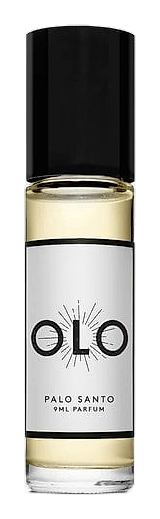
In 2013, Heather Sielaff turned to an ancient practice for Palo Santo's inspiration. For thousands of years, healers across South America have burned palo santo, 'holy wood', during ceremonies meant to cleanse, purify, and protect the spirit. Sielaff wasn't interested in recreating that literal smoke. She wanted to bottle its logic: warmth as a starting point, not a destination. The name carries weight. Palo Santo isn't metaphor, it's a direct nod to a material with centuries of ritual use. The fragrance translates that heritage into something wearable, something that carries the memory of burning wood without requiring an open flame. Frangipani enters the picture as counterbalance, its tropical sweetness threading through the smoke so the composition doesn't harden into pure austerity. Three materials. That was enough.
Three notes. That's the whole structure. Palo Santo, Frangipani, Cypress, and nothing else. Most modern fragrances pad their compositions with a dozen supporting accords, building depth through accumulation. This one does the opposite. Each material speaks at full volume, holds its ground, and doesn't apologize for taking up space. The interesting thing is how they coexist without muddying. Palo Santo brings warmth and a subtle resinous quality, not the sharp smoke of burning wood, but the settled warmth that remains after. Cypress adds an aromatic snap, green and slightly camphoraceous, keeping the composition from becoming heavy.
The evolution
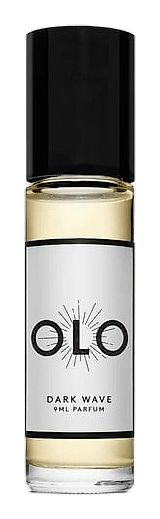
Cypress arrives first, aromatic, green, with a slight resinous bite. Palo Santo joins within seconds, its smoky warmth building beneath the cypress. Frangipani appears within a few minutes, softening the edges of the wood without diluting it. The heart is where it earns its name. Cypress settles back as Palo Santo and Frangipani carry the middle hours, the smoke never fully disappearing, it's the thread that keeps the composition coherent. This is a fragrance that announces itself and then stays. Not projecting outward, but settling inward, close to skin. The drydown reveals what remains when smoke lifts. Warm wood, faint floral, something that persists for 4-6 hours depending on skin. On fabric, it can linger into the next day, the holy wood holding on longer than the frangipani ever does. A 9ml roller means you apply deliberately. This isn't something you overspray.
Cultural impact
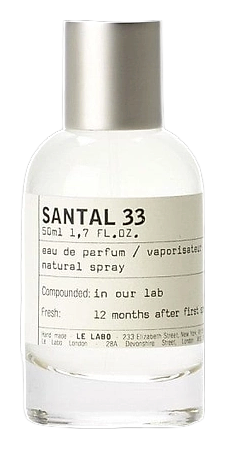
Palo Santo occupies a specific corner of niche perfumery, the intersection of ritual, smoke, and restraint. It's not an aggressive incense fragrance. It doesn't assault a room or announce itself across a dinner table. Instead, it operates in the register of intention: someone who applies it deliberately, wears it for themselves as much as for others. This positions it alongside fragrances like Le Labo's Smoky, resinous, woody, carrying the memory of sacred smoke without replicating a burning ceremony. The comparison only stretches so far: Le Labo's version leans theatrical, while Palo Santo stays meditative. Those who reach for it daily tend to describe it in terms of practice rather than pleasure. Ritual over projection.