
The Story
Why it exists.
The beginning
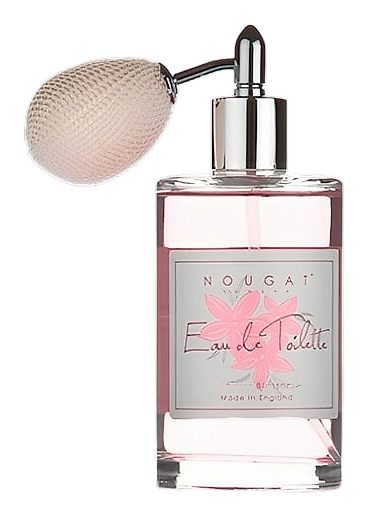
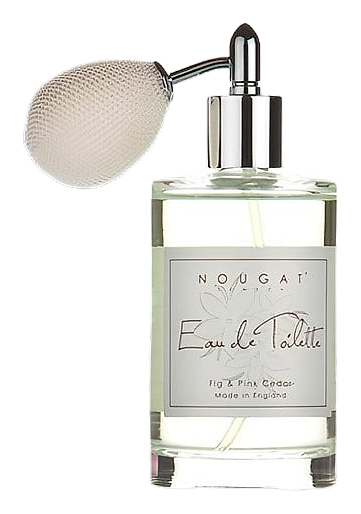
Nougat's Fig and Pink Cedar centers on two ingredients that share equal weight in the composition. The name tells you exactly what to expect: fig and pink cedar as co-protagonists, neither subordinate to the other. The fragrance opens with a citrus accord that feels bright and immediate, alive on first spray. From there, the heart moves toward fig's characteristic warmth, creating a bridge between the initial freshness and what follows. The base belongs to pink cedar, which settles dry and close to the skin, holding its ground without overwhelming. The result is not a typical floral. There's a deliberate tension here, the push and pull between the opening's brightness and the drydown's staying power, between what you smell immediately and what lingers behind on your skin.
The structure rewards patience. The fig doesn't arrive immediately; it emerges as the florals settle, wrapping around cedar in the base where it matters most. Nerium oleander brings a green quality to the heart that keeps the composition honest. Amaryllis adds depth without heaviness. The idea is that a fragrance should smell different at hour two than at hour zero, not better, just evolved. Bergamot and orange blossom set the stage, jasmine carries the middle, and fig-cedar takes the finale.
The evolution
The opening announces itself clearly: bergamot's citrus bite softened by orange blossom's sweetness. Thirty minutes in, the florals arrive, jasmine first, then the cooler green of nerium oleander arriving like a correction. The warmth sits there for a while, present but not insistent. Then the fig arrives. Not the leafy top-note fig, but the milkier, rounder kind that bridges heart and base. Cedar follows, dry and close, the two notes interweaving rather than layering. By the final hours, it becomes intimate. The kind of projection that someone standing beside you might notice before you do. What lingers is cedar, warm, and the ghost of fig, sweet without trying.
Cultural impact
Fig and Pink Cedar occupies a particular niche within woody-fruity fragrances from that era. The notes, bergamot, orange blossom, jasmine, nerium oleander, fig, cedar, place it in recognizable territory. Its character leans quiet, with a projection that stays close to the skin rather than announcing itself across a room. The drydown maintains that intimate quality, settling into something subtle and lasting. The fragrance hasn't disappeared, which suggests a staying power that many contemporaries lacked. It's the kind of scent you return to rather than one that demands constant attention.