
The Story
Why it exists.
The beginning
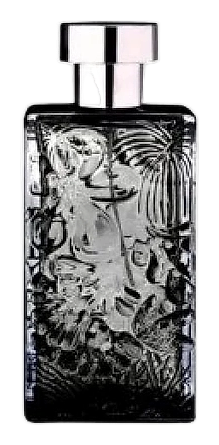
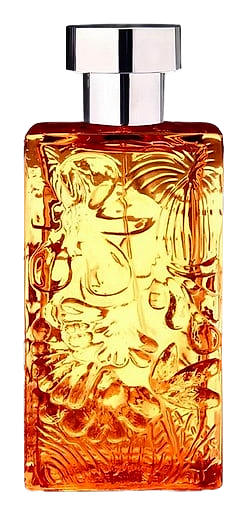
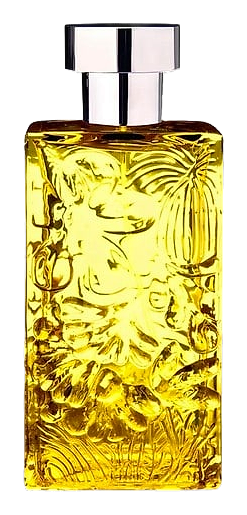
Nicolas Danila conceived Arabian Gardens as part of his seven-garden collection released in 2009. Working with perfumer Laure-Leta Jacquet, the brief was to translate the sensory reality of an Arabian garden, not the postcard version, but the actual heat, the dry air, the roses growing in impossible conditions. Where European Gardens might offer manicured elegance, Arabian Gardens was designed to smell like it does there, like standing in something ancient and dry and very much alive.
The structure is unusual for a fragrance built around rose. Instead of leading with floral sweetness, the composition opens green and stays green for longer than expected, then unfolds through iris and ivy before the rose arrives, not as a bouquet but as a heat-affected, slightly dry specimen. The real architecture lives in the base: cypriol oil (nagarmotha) and papyrus notes create a smoky, papery, almost leathery foundation that outlasts everything above it. This is a fragrance about what stays behind, not what announces itself first.
The evolution
The opening hits crisp and green, fresh-cut stems, a slight bitterness. Green notes hold the stage for the first 20 minutes or so while the heart begins to stir underneath. Then the handoff: iris and rose arrive together, with saffron threading between them like warm wire. The rose isn't sweet. It's dry and a little animal, the kind of rose that grew in dry soil. As the heart matures, papyrus emerges, dry, fibrous, slightly smoky. The base takes over by hour two: cypriol and vetiver create something earthy and intimate, a quiet smoke that clings to skin and fabric alike. By hour four, you're left with warm vetiver and the ghost of papyrus. On clothes, it lingers until the next wash.
Cultural impact
Within the niche fragrance world, Arabian Gardens occupies a specific corner: warm, smoky, aromatic scents with an earthy bent. The combination of cypriol, papyrus, and vetiver places it in the company of fragrances that favor mineral-smoke over sweet resins. Wearers describe it as distinctive, a fragrance that announces a point of view rather than asking permission. It's not for everyone, but for those who seek something that smells like a place rather than a concept, it holds a particular appeal.