The Story
Why it exists.
The beginning
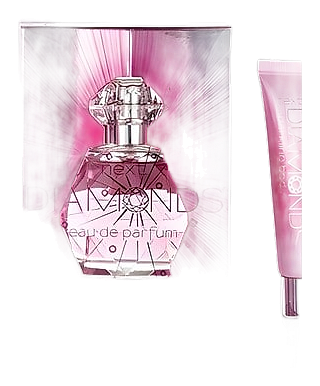
Diamonds arrived during the early 2000s, part of Next's entry into fragrance. The company had built itself as a recognizable presence on the British high street, shaped around accessible clothing that prioritized everyday usability over ceremony. When the brand moved into scent, it carried that same sensibility forward: familiar profiles, minimal pretense, products meant to be used rather than simply displayed. Diamonds followed that approach closely, offering a composition built on fruit nectar, white flowers, and musk. The name carries the quiet suggestion of something precious without leaning on the weight of established tradition.
The composition doesn't reach for complexity, and that restraint is the point. Fruit nectar anchors the top and heart, giving the fragrance a syrupy sweetness that feels edible without tipping into gourmand territory. White flowers add a soft, creamy texture through the middle, preventing the fruit from reading as one-dimensional. Musk runs through all three layers, acting as both bridge and base. The result is a straightforward structure where each element pulls its weight without competing for attention.
The evolution
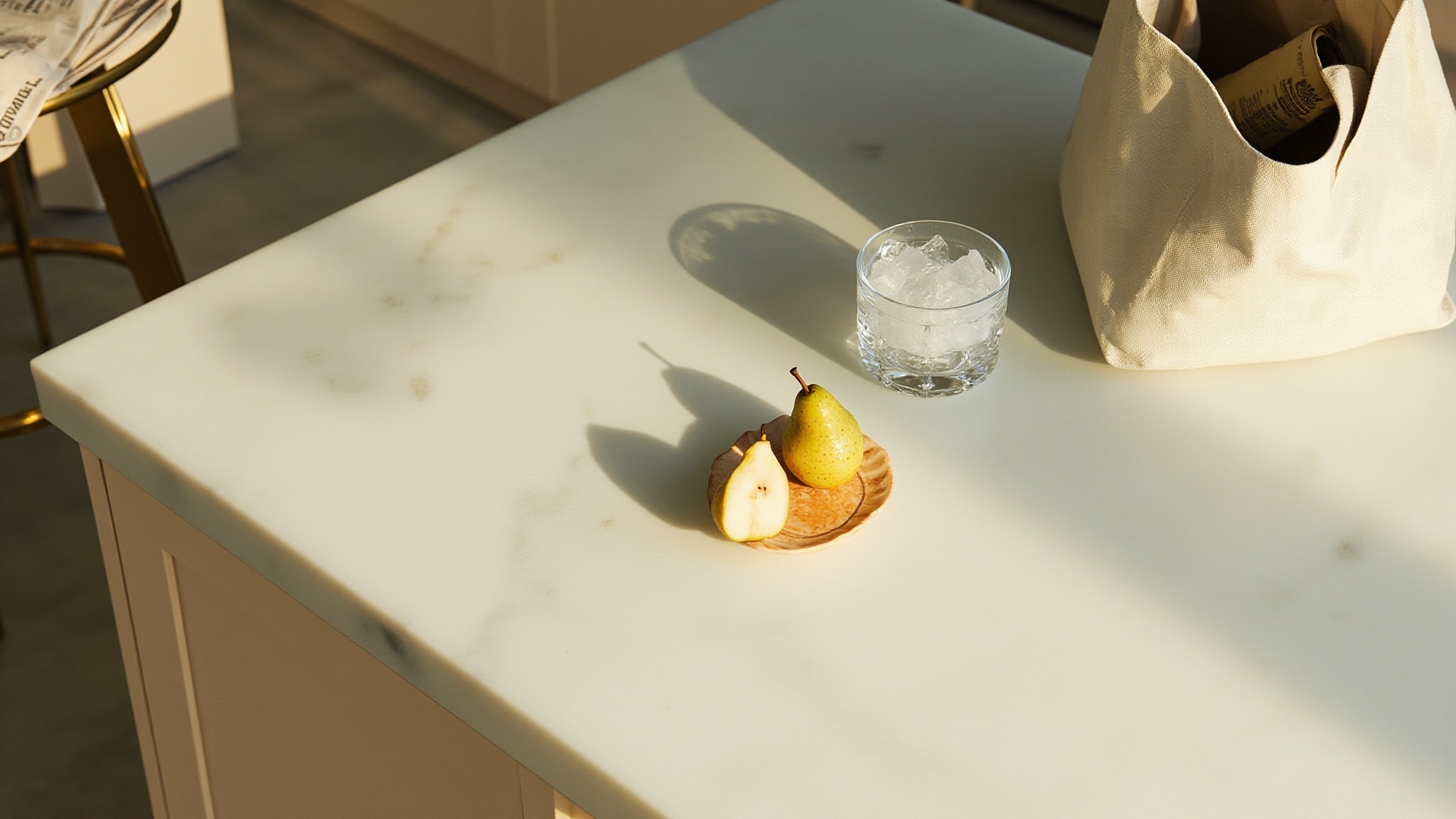
The first hour belongs to the fruit. It opens sweet and pulpy, almost like biting into a ripe pear or a glass of cold nectar, with just enough clarity to feel fresh rather than syrupy. Within thirty minutes the white flowers begin to surface, softening the fruit's edges and adding a clean, soapy texture that reads as skin rather than perfume. The musk has been present from the start, but it takes over properly after the two-hour mark, settling into a warm, slightly powdery close that stays close to the body. The drydown is the quietest part of the journey, a soft animalic warmth that lingers on clothes the next morning. The fruit top reads bright and approachable in the opening minutes, more like chilled nectar than jam, with a translucent quality that keeps it from feeling heavy.
Cultural impact
Diamonds doesn't claim to be groundbreaking, and the wearers who reach for it aren't looking for that. The appeal is reliability: a scent that goes on clean, smells pleasant for a workday, and doesn't ask for any fragrance literacy. It belongs to a category of high street fragrances that made perfume a casual purchase rather than a luxury ritual, and it does that job without fuss. The fragrance fits comfortably within the floral-fruity tradition that shaped much of the early 2000s perfume market, leaning on familiar combinations of fruit sweetness, soft florals, and warm musk.