







Heritage
A house, in its own words
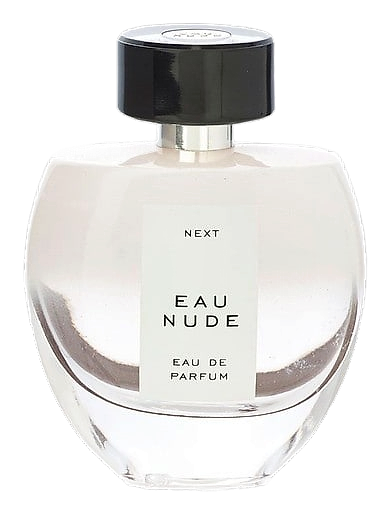
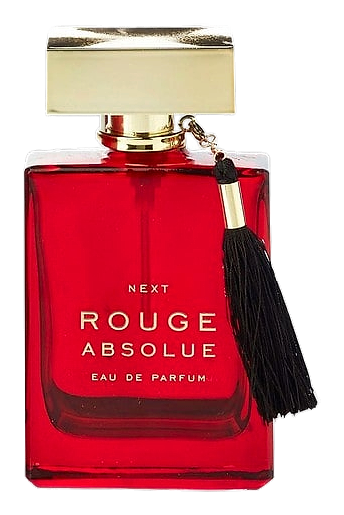
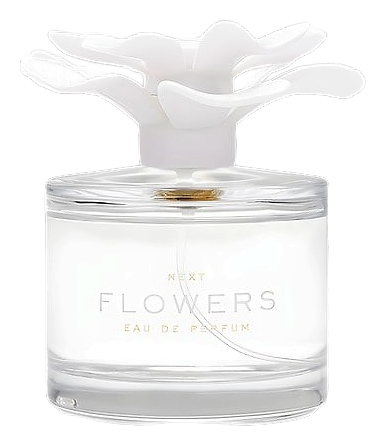
Next emerged from the British retail landscape in 1982, founded by George Davies in Leicester. The company began as a clothing brand before expanding into home goods, accessories, and eventually fragrance. By the 1990s, Next had established itself as one of the dominant high street names in the UK, known for accessible fashion that balanced quality with affordability. The fragrance line arrived in the early 2000s, with foundational releases like Define and Cashmere establishing a template the brand would follow for decades. These debut scents leaned into warm, woody profiles with an emphasis on wearability over artistry. The early 2000s launches suggested a brand entering fragrance with commercial instincts intact, targeting consumers who wanted recognizable elegance without complexity. Over the following two decades, Next expanded its olfactory range while maintaining that core philosophy of approachable sophistication. The Pink Paradise and Just Pink series became particular standouts, with multiple flankers extending the franchise across different interpretations of rose and pink florals. This strategy of iteration and variation allowed the brand to capture different occasions and preferences within a consistent identity. By 2016, the brand had released Flowers and Rouge Absolue, signaling interest in exploring more assertive directions while staying true to the mass-market appeal that defined the line. The 2020 arrival of Summer Sun indicated continued investment in seasonal and atmospheric scents, positioning fragrance as part of a broader lifestyle offering rather than a standalone luxury concern. Next approaches fragrance as an extension of how people want to present themselves daily. Rather than chasing industry awards or industry-defining moments, the brand focuses on creating scents that function smoothly across ordinary life. This means prioritizing projection levels that feel present without overwhelming, longevity that survives a workday, and price points that allow fragrance to become a regular habit rather than a special occasion purchase. The brand seems to believe that smelling good should not require extensive fragrance literacy or financial sacrifice. Their naming conventions reinforce this democratizing approach, with straightforward labels like Just Pink, Cashmere, and Eau Nude communicating exactly what to expect. There is no mystery in the marketing, no elaborate origin story demanded of the wearer. Instead, Next fragrances promise a reliable sensory experience grounded in familiar materials. Rose appears frequently across the range, as do clean musks and warm woods, suggesting a deliberate choice to work with ingredients that register positively across broad populations. The brand does not appear to position itself as a creator of artistic statements. Instead, each release serves a functional purpose: providing warmth, adding femininity, creating freshness. This pragmatic orientation shapes everything from the scent profiles to the naming conventions to the pricing structure. Next fragrances ask less of their wearers than niche or luxury options, and that seems to be the point.