The Story
Why it exists.
The beginning
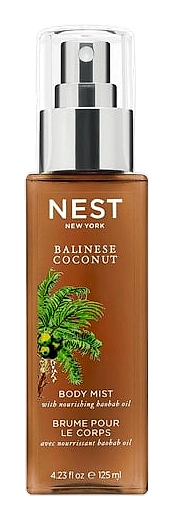
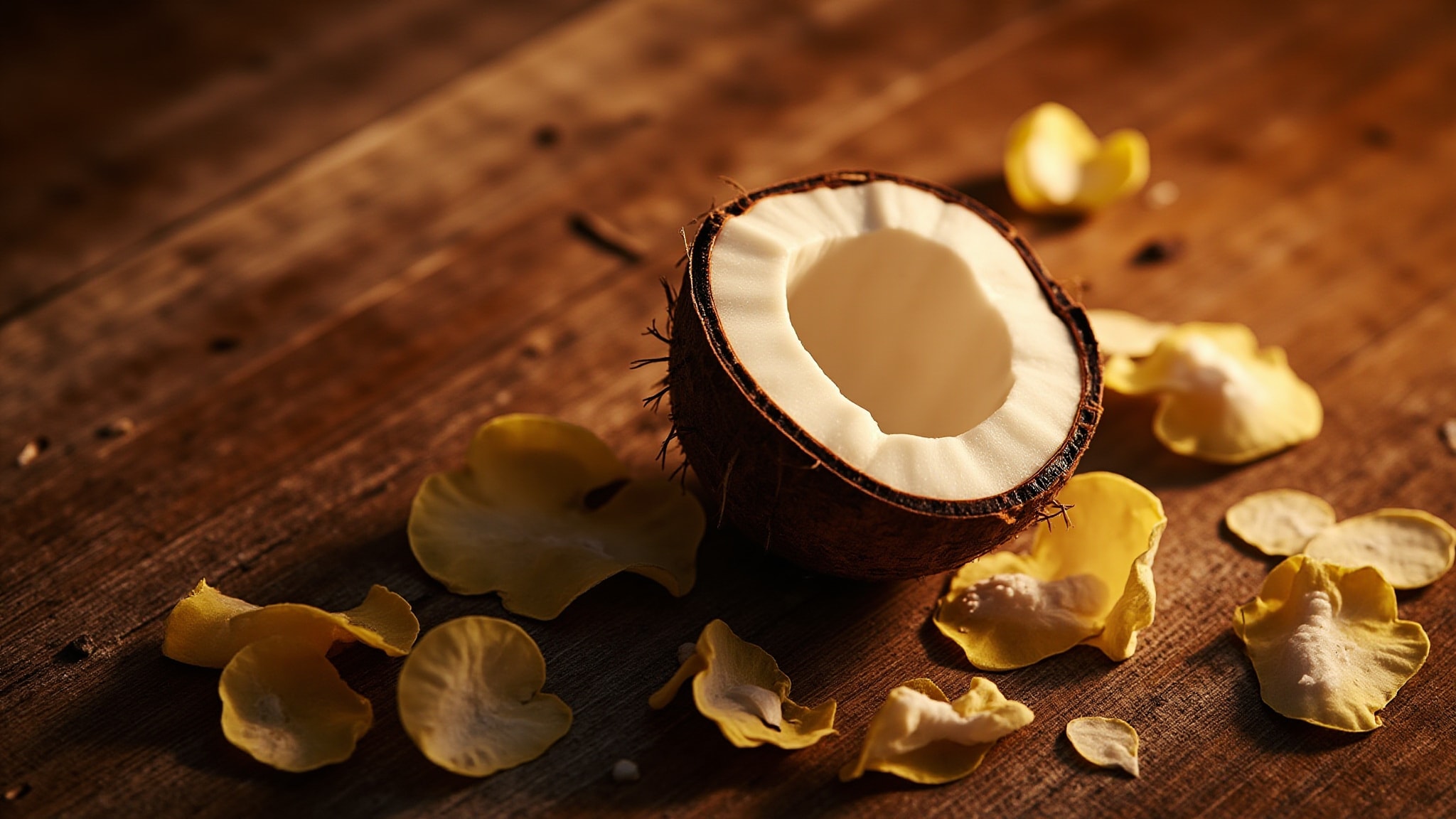
Patricia Choux designed Balinese Coconut to capture the sensory memory of Bali itself, not the postcard version, but the real one. The salt in the air where the beach meets the trees. The warmth of skin that's been in the sun all afternoon. The specific shade of tropical flower that only grows in the Pacific. Frangipani and tiaré are native to the region; coconut grows everywhere. Choux didn't reach for them as exotic shorthand. She built the composition around them deliberately, using coconut cream as the foundation rather than a novelty top note. The result is a fragrance that earns its name by being more coconut than almost anything else in the NEST lineup.
What makes this work is restraint at the heart. Most coconut fragrances start bright and thin, synthetic beachy opener, quick fade, nothing behind it. Here, the coconut carries weight from the first spray. Creamy, almost lactonic, like the inside of a fresh coconut rather than the shell. The frangipani and tiaré don't compete with it, they float above, adding the floral dimension that makes tropical coconut smell like a place and not a candle. Sandalwood enters later and keeps the coconut from reading as foody. It's the bridge between the beach and something warmer, more intimate.
The evolution
The opening hits fast and stays bright for the first twenty minutes. Coconut cream with frangipani, the florals reading soft and slightly green at the edges. Then the handoff: tiaré joins the coconut and the combination gets richer, more lush, the florals and the cream deepening into each other rather than taking turns. By the second hour, sandalwood appears and the coconut stops being a note and starts being a texture, coconut cream, coconut milk, skin-warm and close. The drydown is quiet and intimate, staying on skin for hours without announcing itself. What remains is warm sandalwood, soft musk, and the ghost of coconut that lingers into the next morning.
Cultural impact
Coconut fragrances carry deep associations with island cultures across Hawaii, the Caribbean, and Southeast Asia, where coconut has been used in perfumery and cosmetics for centuries. NEST New York's Balinese Coconut channels this heritage while modernizing it for contemporary Western markets. The fragrance taps into the global appetite for tropical escapism in scent form, a trend that surged during and after travel restrictions made literal island getaways inaccessible. By focusing on coconut cream rather than coconut water or husk, the brand leans into the gourmand aspect that has dominated women's fragrance for years, bridging cultural nostalgia with current consumer preferences.