
The Story
Why it exists.
The beginning
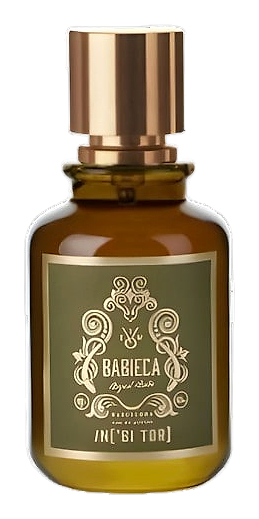
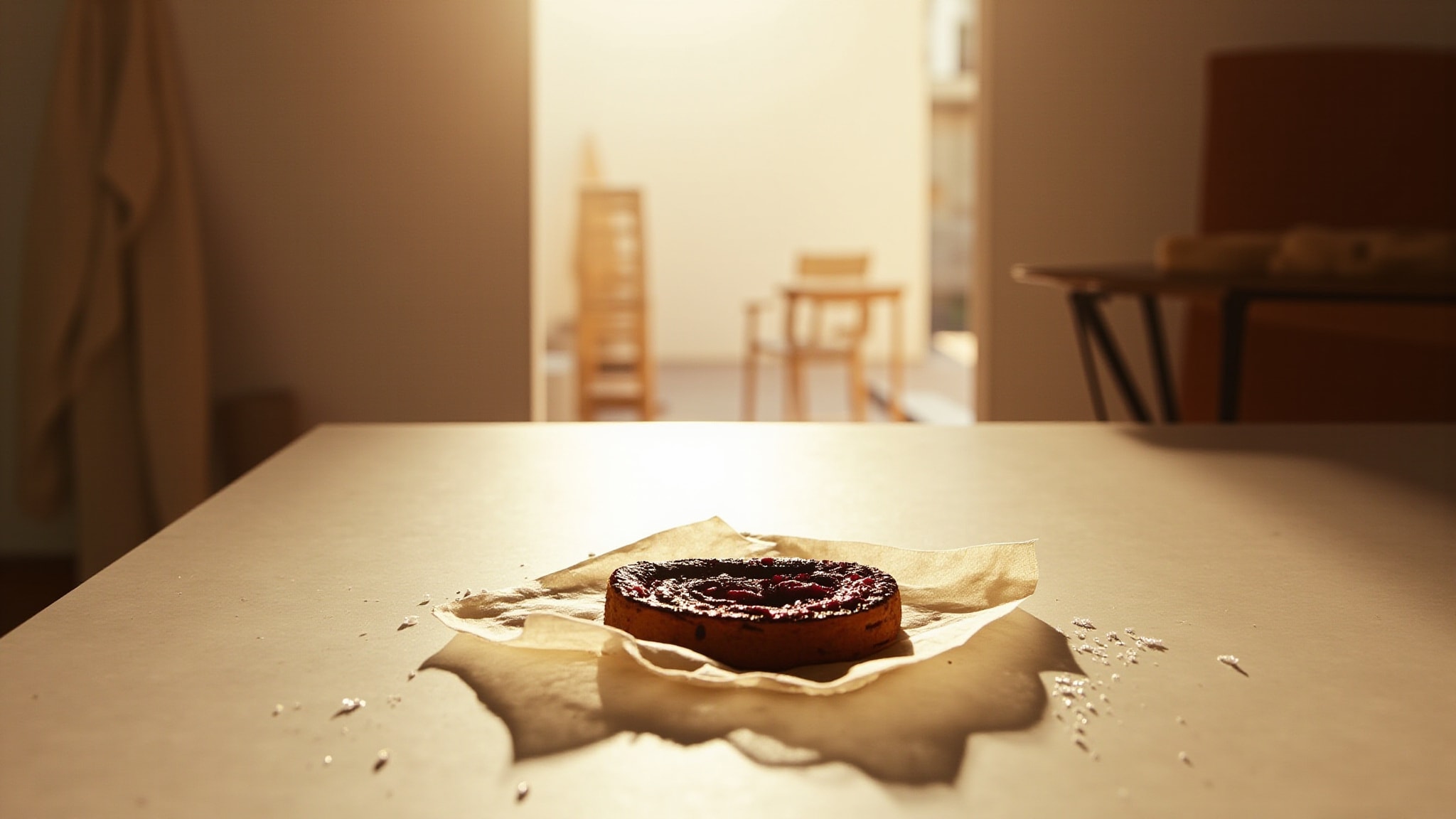
The name means sacred torrija, and the scent does exactly what the name promises. Torrijas is the Spanish Easter bread: stale bread soaked in wine and milk, sweetened with sugar, fried until golden. A dish born of economy and faith, transformed by heat into something reverent. The Perfumery Barcelona is marketing this fragrance. The composition opens lactonic and warm, the milk notes rolling over the skin like cream heated on a stovetop. There is a significant wine note that carries through the heart, present and assertive, bringing with it the warmth of spices that recall a kitchen where something sweet is being prepared. The base settles into vanilla's sweetness and wood that grounds everything, lingering long after the last bite.
What makes this composition distinctive is its restraint within richness. The torrijas concept could have gone full gourmand, all syrup and caramel, safe and sweet. Instead, the bread note is real and starchy, not candied. The wine note is present and assertive, not decorative. The spices, clove, nutmeg, ginger, read as kitchen warmth, not spice-bomb performance. The lactonic quality of the milk and the slightly bitter edge of real wine keep the sweetness honest, preventing the composition from sliding into confection.
The evolution
The first minutes are warm and immediately edible, bread fresh from the oven, lactonic sweetness like milk in coffee, sugar dust on warm skin. Then the wine arrives. Not gently. It pushes through the bread, bringing ginger's clean heat and clove's spice with it. The effect is boozy and slightly bitter, like wine that has been reduced and sweetened by time and heat. That phase lasts about an hour and a half before the sweeter elements take over. But this does not pivot to pure gourmand. Sugar and honey persist, deepening into benzoin's sticky resin and vanilla's warmth. The drydown is where this fragrance earns its name. Sandalwood's cream meets oud's dark wood. Patchouli adds its earthy counterweight, preventing the sweetness from becoming cloying. The base is warm, intimate, close. Not loud. Not trying to fill the room. But impossible to ignore if someone gets close enough to notice.
Cultural impact
Torreja Sacra stakes different ground in the gourmand category. The wine note is the separator, present and assertive in a way that will polarize, charming in a way that will convert. Its approach to the torrijas concept brings something specific and rooted to a genre often dominated by abstraction. The combination of bread, wine, and kitchen spices creates something that smells like memory made tangible, like a specific afternoon in a specific kitchen rather than a general idea of sweetness.
The House
nBitornBitor is a boutique fragrance house that positions itself at the intersection of art and scent. Based in Barcelona, the label releases limited‑edition compositions that draw on regional narratives and contemporary olfactory techniques. Its catalogue, which began to appear in 2023, includes titles such as Ocaña, Akelarre and Torreja Sacra, each presented in a minimalist bottle that foregrounds the perfume itself. The brand’s tone is quiet confidence, inviting collectors to explore nuanced stories without the clutter of mass‑market hype.
The Creator
Miguel MatosMatos draws from his background in visual art and criticism, treating fragrance composition like a curatorial act. He layers references and contrasts, often juxtaposing familiar materials in unfamiliar configurations.