
The Story
Why it exists.
The beginning
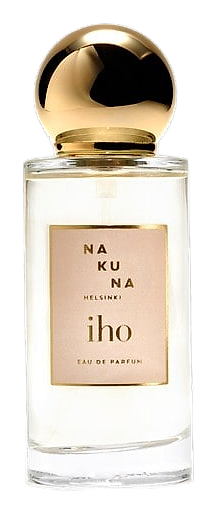
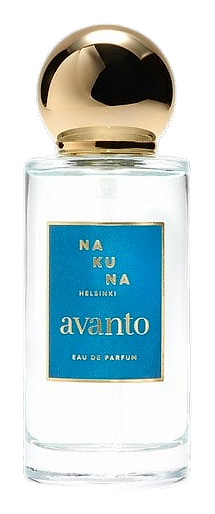
Avanto, Finnish for 'forward', is built around the act of breaking through. Specifically, the Finnish tradition of avanto: cutting a hole in sea ice and plunging into the cold water. Anu Igoni and Jaakko Veijola, Nakuna Helsinki's founders, wanted to bottle that exact sensation. Not the adventure of it. The clarity after. Olivier Pescheux translated that impulse into a fragrance that opens cold, stays cold, and refuses to perform anything it hasn't earned.
What makes Avanto work is the tea rose. Not sweet rose, the cooler, slightly bitter variety that smells like petals before they fully open. Pescheux pairs it with green grass, which keeps the floral honest rather than perfumey. Marine and citrus open the composition with genuine cold; the cedar base anchors it so the freshness doesn't simply vanish. It's a composition built for survival, not seduction, lasting power that doesn't demand attention to maintain.
The evolution
The citrus and marine open sharp and ozonic, like cold air meeting open water. No warmth in the top. For the first twenty minutes, Avanto reads almost clinical in its cleanliness. Then the jasmine and tea rose arrive, softening the edges without losing the chill. The green grass underneath keeps the florals from going sweet. Cedar and musk arrive around the two-hour mark, adding warmth that stays close to the skin, a whisper, not a statement. The drydown on fabric smells like cold air and clean laundry, subtle enough to almost disappear but persistent enough to notice when you move.
Cultural impact
Avanto arrived in 2020 during a period when the fragrance industry was shifting toward quieter, more introspective compositions. Nakuna Helsinki, founded in 2019 by Anu Igoni and Jaakko Veijola, emerged from Finland's design tradition where restraint is valued over excess. The brand's Nordic philosophy rejects the idea that a fragrance needs to announce itself loudly. Avanto embodies this ethos through its aquatic-citrus structure and tea rose heart, offering a distinctly cold take on the genre that contrasts sharply with warmer aquatic interpretations. Its release coincided with growing interest in Scandinavian minimalism across design, fashion, and lifestyle categories.