The Story
Why it exists.
The beginning
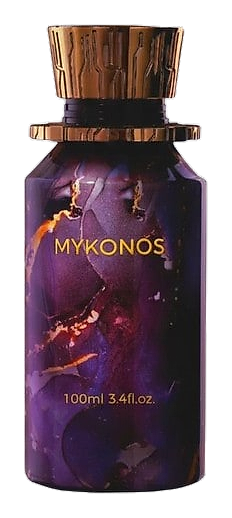
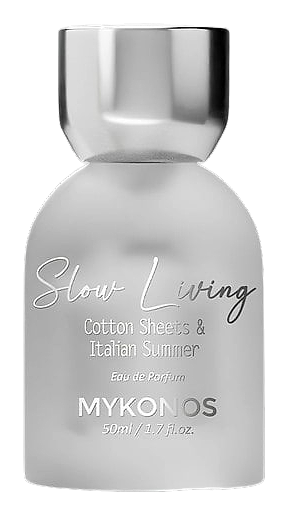
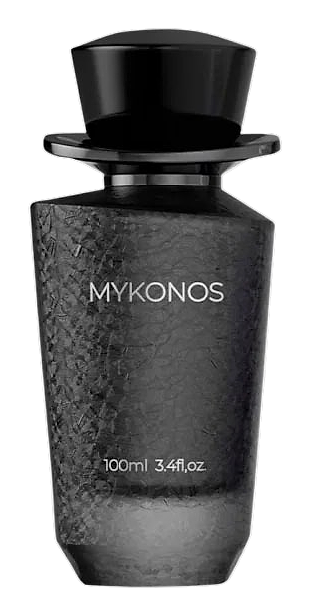
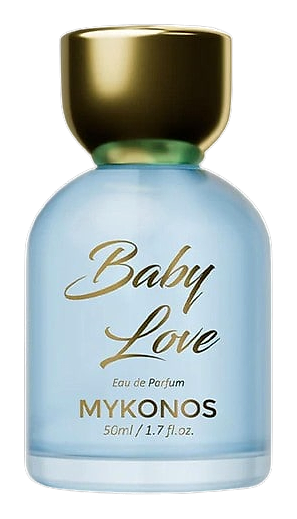
Baby Love arrived in 2019 from Mykonos, an Indonesian fragrance house named after a Greek island but rooted firmly in Southeast Asia. The concept was disarmingly simple: take the ghost of classic baby cologne, the one that haunted your grandmother's vanity, and rebuild it for grown skin. Not a novelty. Not a joke. A genuine attempt at bottling tenderness. The fragrance sits within Mykonos's OG Collection, the early releases that established the house's house style of approachable, skin-close compositions. Baby Love was the softest of that first wave. Where other Mykonos scents reach for projection and personality, this one reaches backward, toward something most adults have forgotten they miss: the uncomplicated comfort of smelling like you just stepped out of clean sheets. The choice to lean into violet, rose, and musk, three notes that already live in the nursery register of perfumery, wasn't accidental.
What makes Baby Love structurally interesting is its refusal to build a proper pyramid. The same three notes repeat from top to base: violet, rose, and musk, cycling through every layer like a round sung three times. Most fragrances establish a journey, a story arc from opening to drydown. This one stays static, and that static quality is the point. There's no development to track because the fragrance isn't trying to go anywhere. It's trying to stay. That structural choice gives it a meditative quality, like a perfume that has already arrived and doesn't need to travel. The musky backbone ties everything together, preventing the florals from floating away into something too delicate to wear.
The evolution
On skin, Baby Love opens with a cool wash of violet and rose that reads almost like chilled linen, the kind of clean that hasn't been disturbed yet. There's a faint sweetness from the rose, but it's more suggestion than statement. The musk arrives almost immediately, not waiting for the drydown, and it creates a soft haze around the florals that makes everything feel diffused and dreamlike. Within the first 30 minutes, the scent settles into its register and barely moves. The violet softens from cool to creamy. The musk warms slightly, picking up a skin-like quality that makes it harder to tell where the fragrance ends and your skin begins. By the two-hour mark, it's become a second skin scent, present when you press your wrist to your nose, invisible to anyone across a table. The rose fades first, leaving violet and musk in a quiet duet that carries through the next several hours. The drydown is mostly musk, warm and slightly sweet, the ghost of powder clinging to whatever fabric you were wearing when you sprayed it.
Cultural impact
Baby Love occupies a specific corner of the fragrance world: the comfort corner. It's not trying to be a signature scent or a conversation starter. It's trying to be the thing you reach for when you want to smell clean and feel held, and that ambition has earned it a small, devoted following among people who treat fragrance as self-care rather than armor. In a market saturated with bold synthetics and aggressive projection, a scent that does less on purpose reads as almost radical. The powdery, musky profile places it loosely alongside fragrances like Prada Infusion d'Iris and the softer side of the maison florals category, though Baby Love is more straightforward and less cerebral than either. It doesn't ask to be analyzed. It asks to be worn.