The Story
Why it exists.
The beginning
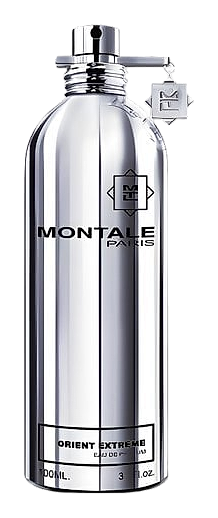
Pierre Montale created Orient Extreme in 2005, during a period when he was building the house's identity around the sensory world he had discovered in the Middle East. The name suggests pushing boundaries, Extreme, but the result is quieter than that implies. Rather than amplifying the oriental tradition, Montale stripped it back. The fragrance leans chypre, not sweet. Oakmoss anchors the composition from the start, pulling the oriental register toward something older and more structural. It's a deliberate inversion: a fragrance called Extreme that achieves its intensity through restraint rather than excess. What makes this unusual within the Montale catalog is the absence of the honeyed warmth the house is known for. The spices are present, Sri Lankan, warm, but they arrive with restraint, giving way to a rose that carries an almost dry, dusty quality. This is not a fragrance that announces itself with the opulence the house name suggests.
The core tension in Orient Extreme is structural: an oriental built on chypre architecture. Most fragrances in this category use sweetness as a backbone, amber, vanilla, honey to carry the weight. Here, those materials are absent or nearly so. The benzoin provides warmth, yes, but it reads as resinous rather than sweet. The honey, while listed in some sources, never dominates. What remains is sandalwood doing the depth work, rose doing the floral character with unusual restraint, and oakmoss providing the mossy, earthy foundation that most modern orientals have traded away for comfort.
The evolution
The opening hits bright and warm simultaneously, citrus oil freshness followed immediately by the Sri Lankan spices, which carry a warm, slightly resinous character. This phase reads classic, even old-fashioned. There's nothing revolutionary in the first hour, but there's a refinement to it that feels intentional. As the citrus recedes, the Eastern rose appears, dry, slightly dusty at its edges, not the lush Bulgarian type. Benzoin slides in alongside it, adding a honeyed balsamic quality without sweetness. Mysore sandalwood threads through, providing the creamy woodiness that keeps the composition grounded. At this point, the fragrance shifts register: oriental in materials, chypre in structure. The drydown is where oakmoss takes over. Classic, mossy, earthy, this is the tell. Warm musk follows, settling close to the skin but projecting with enough presence to fill a room. Patchouli lingers underneath, adding the earthy, slightly bitter finish that prevents the whole thing from becoming too soft. The base stays close to the skin but holds the room.
Cultural impact
The conversation around Orient Extreme centers on one word: unexpected. Within the Montale catalog, it stands apart, dry where others are rich, chypre-leaning where the house typically leans oriental. Reviewers have called it a classic 1970s chypre in Montale clothing. The discontinued status has made it harder to find, which has only sharpened its appeal among collectors who appreciate what it represents: Montale without the safety net.