The Story
Why it exists.
The beginning
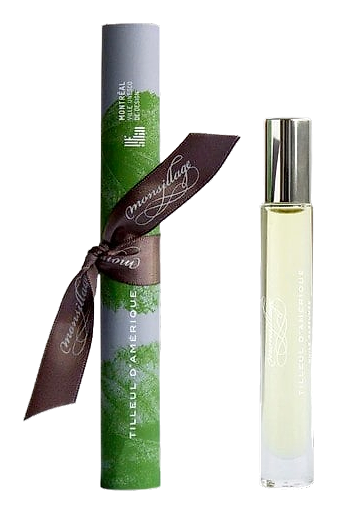
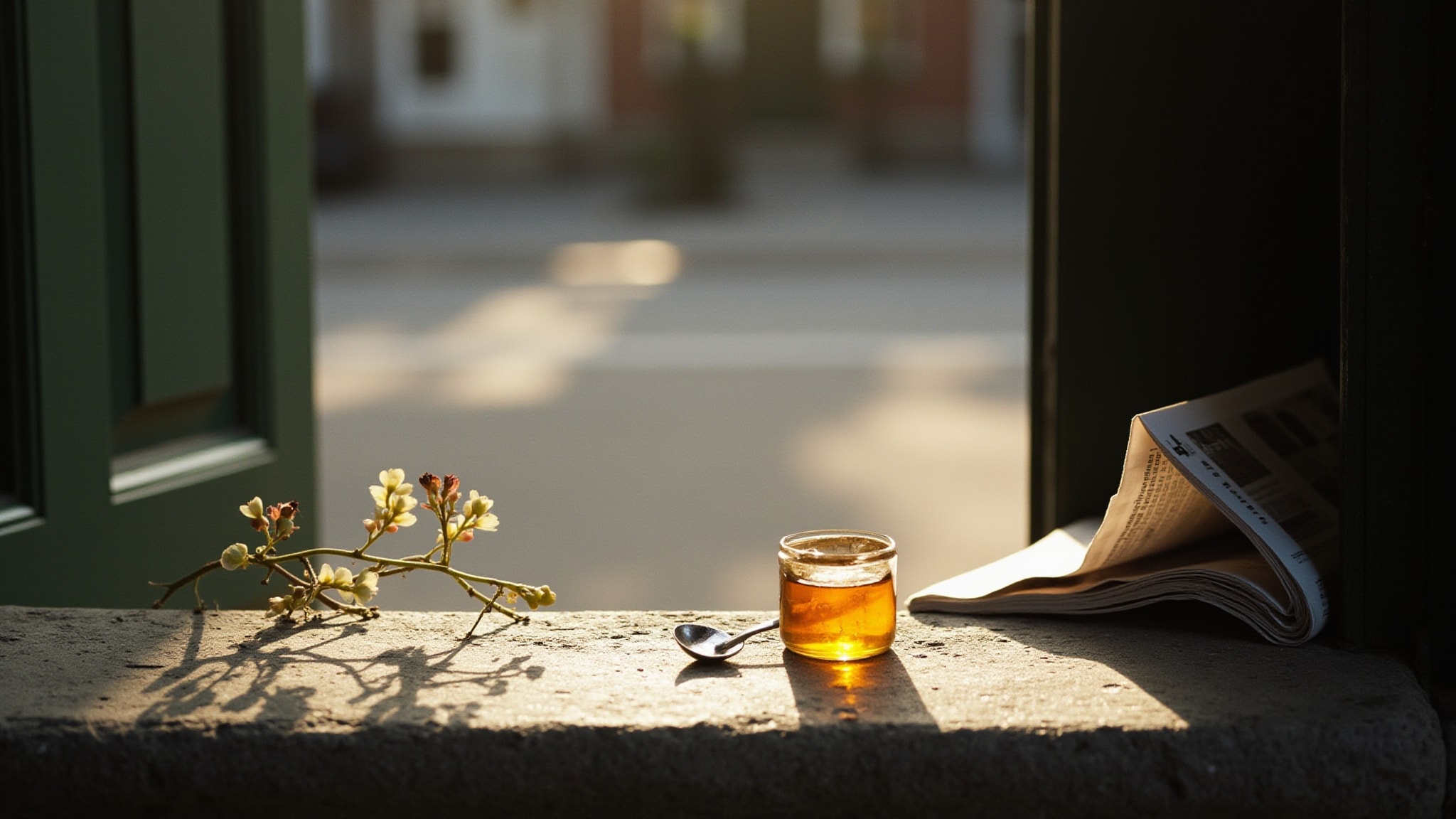
Montreal's tilleul d'Amérique is impossible to miss for two weeks in June. The heart-shaped leaves, the roadside trees, and the flowers that turn whole blocks into something you can smell from the curb. There's a single memory at the center of this composition: rounding a corner and catching that bloom out of nowhere, the way the sweetness arrives before you see the source. The fragrance arrives as a roll-on perfume oil in jojoba, 10 ml total. The format puts the scent right against the skin, close enough that the linden blossom's particular character stays intact rather than dissipating into the air. You apply it to the pulse points and the warmth of the body does the rest, lifting the floral gently throughout the day without the shout that a spray format can produce.
What makes Tilleul d'Amérique interesting is restraint in a category that usually rewards more. Linden blossom is one of perfumery's quieter florals, easily buried by heavier companions, and the accord here lets it lead without drowning it in noise. The honey note is the structural anchor, carrying weight that the floral alone could not provide. The interplay between the linden and the honey is where the fragrance earns its particular signature. There's a sweetness here that doesn't behave like sugar.
The evolution
The fragrance wears in distinct phases, each one shifting the balance between green, floral, and honey without ever fully abandoning any of them. The opening is the greenest the scent will ever be. There's a bright, almost cool quality here, the olfactory impression of standing close to a leafy canopy on a warm afternoon. Within the first minutes the linden begins to surface, soft and slightly waxy, and the green settles back to support it. The blossom takes its place at the center of the composition as the sharper green notes recede. Through the first half hour the honey emerges from underneath the floral, not a thick or spoonable sweetness but something cooler, faintly resinous, with a green-tea edge that keeps it from feeling like confection. The woody base is present underneath the entire arc, but it stays quiet through the early life of the fragrance.
Cultural impact
Tilleul d'Amérique occupies an interesting position in the world of linden soliflores. It wears closer to a private impression than a performance piece, which makes it a natural companion for anyone drawn to Diorella, Diptyque's L'Eau de Lierre, or the quieter end of Annick Goutal's green-floral range. The roll-on format puts it in a different category from most of these references, emphasizing intimacy over projection, and the jojoba carrier ensures that the scent stays close to the skin rather than filling a room.
The House
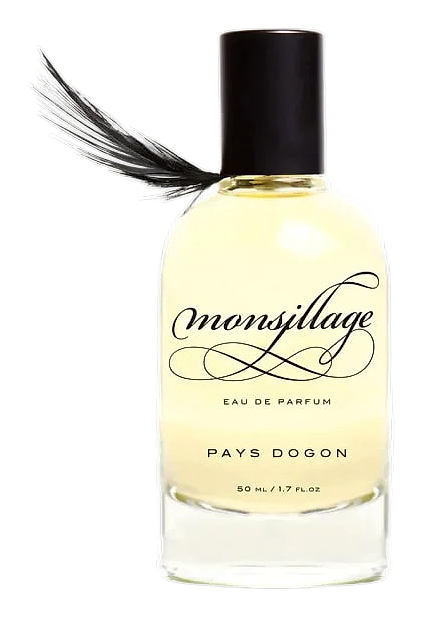
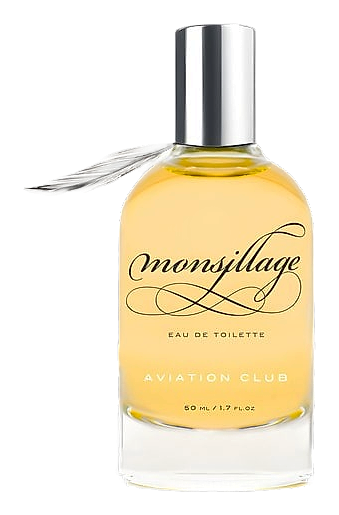
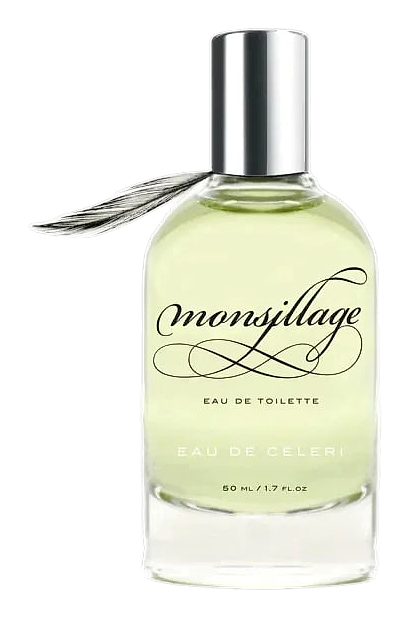
MonsillageMonsillage is a Montreal-based perfumery founded by Isabelle Michaud, a former chef who pivoted from culinary arts to fragrance creation. The house produces small-batch, narrative-driven scents inspired by personal memories, travel experiences, and everyday life. Michaud's background in cooking informs her approach to perfumery, treating ingredients like culinary components to be balanced and layered. The name Monsillage reportedly blends her surname with a sense of personal geography. Her work occupies a distinctive space in North American niche perfumery, offering scents that function as olfactory memoirs rather than conventional designer fragrances.
The Creator
Isabelle MichaudMichaud gravitates toward materials with presence, ingredients that announce themselves without apology. Her compositions often feature bold naturals, unexpected contrasts, and a certain rawness that distinguishes her from perfumers who sand down edges for polish.