
The Story
Why it exists.
The beginning
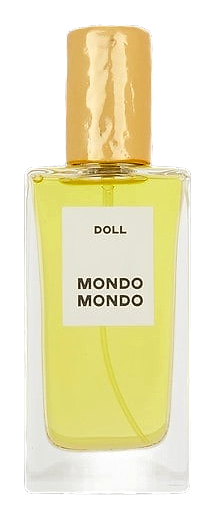
Doll belongs to a tradition of names that are masks, characters, provocations, Mondo Mondo titles that invite you to wear a story. The 2013 brief was simple and direct: a rose that refused to behave like one. Bulgarian rose arrived first, bright and unapologetic, then saffron added the warmth that keeps it interesting. This wasn't a fragrance for people who wanted to smell like flowers. It was for people who wanted to smell like themselves, with an edge.
The rose-saffron pairing is what makes Doll unusual. Bulgarian rose is heavy, rich, almost jam-like on its own, the kind that commands attention. Saffron shifts it. Adds warmth that borders on metallic, a sharpness that reads as the opposite of delicate. Together, they build a rose that doesn't ask permission. The may rose in the heart deepens the florals without softening them, and the musk base keeps everything close to the skin, intimate, not announcing. It's a composition built for recognition, not consensus.
The evolution
The opening hits with a shimmer, not synthetic, just the saffron doing its job. It's the metallic brightness that surprises people. Then Bulgarian rose takes over. That's the heart of this fragrance: warm, slightly powdery, the metallic note settling into something that feels like old velvet. May rose threads through, giving the florals depth without sweetness. By the time you reach the base, the composition has settled into something skin-close: musk and tobacco warmth, dry and intimate. What lingers is the memory of rose and musk, powdery, yes, but sharp enough to matter.
Cultural impact
Doll has quietly built a following among people who want rose without the expected softness. It's the kind of fragrance that attracts wearers who've been disappointed by traditional rose compositions, too sweet, too linear, too polite. Since its 2013 launch, it's become a reference point in niche circles for what rose can do when it refuses to behave.