
The Story
Why it exists.
The beginning
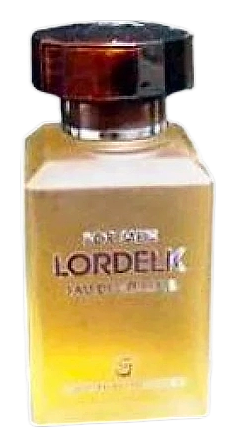
Mikimoto established its fragrance line in 1970, translating pearl-house refinement into scent. Lordelk arrived six years later as the house's second fragrance, a 1976 aromatic fougere designed for a generation returning to classic masculine composition. The timing aligned with a market segment seeking traditional structure over modish novelty. Mikimoto's positioning, drawing from the house's pearl refinement heritage, managed to produce a fragrance that feels neither precious nor tentative, instead embracing the robust herbal tradition that defined quality masculine scent of that era.
The note selection reflects a specific philosophy for 1976 masculine scent. Lavender provided the expected aromatic fougere anchor. Clary Sage offered an herbal alternative that reads cleaner than Sage absolute. Carnation and Geranium brought floral sweetness uncommon in masculine compositions of that era, suggesting Mikimoto sought warmth alongside structure. Cedarwood guaranteed woody drydown without the heaviness of Sandalwood. Musk, Tonka Bean, Heliotrope, and Vanilla functioned as a unified warmth cluster, preventing the herbal elements from becoming sharp or clinical. The pairing rationale balances traditional masculinity with unexpected softness.
The evolution
The scent arc begins the moment it touches skin, no hesitation, no citrus preamble. Lavender and Clary Sage occupy the initial minutes with immediate effect. Coriander introduces faint spice as Geranium and Carnation follow, layering florals into the herbaceous foundation. The Cedarwood designation arrives mid-heart, shifting the composition toward woody territory. Tonka Bean, Heliotrope, and Vanilla enter sequentially, introducing creamy, powdery warmth that softens the herbal edges. Musk maintains presence throughout, connecting the phases without demarcation. The drydown lacks distinct character from the heart, simply calming as the top notes exhaust themselves, leaving Cedarwood, Musk, and residual Vanilla as the final impression.
Cultural impact
Since its 1976 debut, Lordelk has become a quiet staple among aromatic fougère enthusiasts, often cited as a classic representation of 1970s Japanese luxury. Collectors appreciate its subtle marine‑inspired refinement, and it still appears in vintage fragrance circles as a reference point for balanced herb‑floral compositions.