The Story
Why it exists.
The beginning
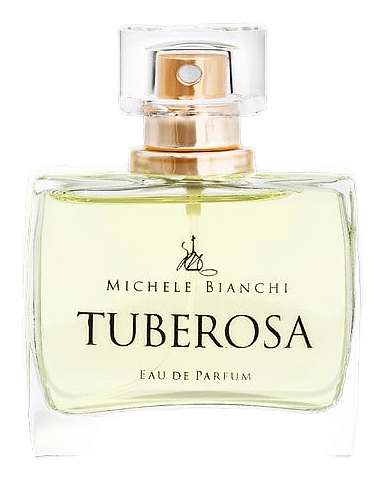
Michele Bianchi's Tuberosa arrived in 2019. The composition pairs tuberose with oud, jasmine, and humus, building the fragrance around the flower's own complexity rather than conforming to standard expectations for the note. The tuberose comes through with a green freshness at the opening, the narcotic sweetness emerging as the scent develops. There's a density to the floral heart where the jasmine creates a creamy atmosphere that lingers. The overall effect feels grounded rather than airy, the humus adding an earthy depth that keeps the tuberose from becoming purely sweet. Wearing it, the composition stays close to the skin through the drydown, the florals gradually settling into a warm, intimate presence that lasts well into the evening.
What makes this composition interesting is how it handles the tuberose paradox: the flower is green and indolic, narcotic and sweet, sometimes animalic to the point of discomfort. Many interpretations soften one side to emphasize the other. Bianchi's approach holds both. The honey amplifies the sweet-lactonic quality that tuberose naturally possesses. The heliotrope adds a powdery almond softness that keeps the result from tipping into something raunchy. The bergamot in the opening is not incidental, it introduces a brief coolness that makes the warmth that follows register as earned rather than obvious.
The evolution
The opening hits green first. Bergamot cuts through the tuberose, giving the first minutes a sharpness that feels more like walking a garden at dawn than like applying perfume. The sweetness builds within ten minutes, honey rising through the stems, the narcotic quality asserting itself. What follows is a dense floral heart: jasmine, ylang-ylang, and heliotrope creating a creamy, almost thick atmosphere that lingers. The drydown is where the musk lives. Not a dramatic shift, the florals stay present, but oakmoss takes over the conversation, turning the fragrance warm and powdery. The sillage settles as the evening progresses, still noticeable but less pronounced than the opening hours. On fabric, the honey lingers into the next day.
Cultural impact
Tuberose has long been a fixture of floral perfumery, but interpretations vary widely in how they handle the note. Some versions emphasize the green, indolic qualities that give the flower its slightly unsettling edge. Others soften those characteristics, trading intensity for approachability. Tuberosa leans into the note's complexity, offering a tuberose-forward composition with strong projection. The aim is to capture the flower's full character rather than settling for safe, crowd-pleasing sweetness.