The Story
Why it exists.
The beginning
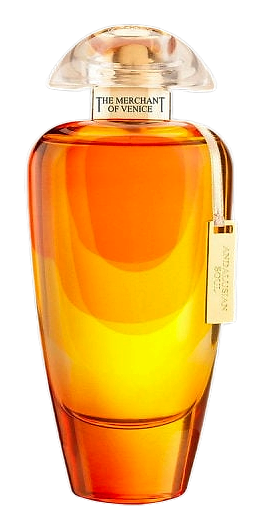
Andalusian Soul takes its name from a region that has always lived at the crossroads. Andalusia, southern Spain, where Moorish culture left its mark on architecture, cuisine, and the flavors that traveled north through ports like Malaga. The Merchant of Venice, a house built on centuries of trade and sensory exchange, found inspiration in that legacy. The region became the lens: warm amber tones, rum and acacia, the kind of sweetness that doesn't apologize for itself. The fragrance doesn't try to recreate a place. It translates a feeling, the warmth of late afternoon light, the weight of something well-traveled.
What makes Andalusian Soul interesting is the amber. Not as a base note buried under other things, but as the spine of the entire composition. It holds the rum and acacia up, keeps the vanilla from going flat, gives the clary sage something to push against. The result is a fragrance that sits comfortably between gourmand and oriental without fully belonging to either. Acacia brings a quiet floral quality, honeyed, soft, almost waxy, that prevents the rum from reading too boozy. Clary sage, often used as a supporting actor, gets room to breathe here. It keeps the sweetness honest.
The evolution
The opening announces rum immediately. Not aggressively, warmly, like a glass held out to you. Acacia softens it within minutes, honeyed and quiet. The amber is already building underneath, patient. By the time the heart arrives, the rum has receded but left its warmth behind. Balsamic notes and labdanum give the middle stage a resinous depth. Smoke threads through, not BBQ smoke, something cleaner, almost papery. The drydown is where this fragrance earns its reputation. Vanilla and amber together create something that stays close to the skin for hours. Not projecting. Not demanding. Just present. The clary sage keeps the whole thing from becoming too sweet, adding a quiet herbal clarity that lingers past the point where you think it's done.
Cultural impact
Andalusian Soul draws its narrative from the maritime trade routes connecting Venice to Andalusia, embodying the cultural exchange that defined Mediterranean commerce. The amber-vanilla composition mirrors the precious resins and spices that fueled cross-cultural trade for centuries. By naming the fragrance after Andalusia, The Merchant of Venice invokes a region that served as a critical junction between European and North African trading networks. The 2018 release translates this heritage into olfactory form, positioning the fragrance as a wearable artifact of Mediterranean history. The brand's connection to the Perfume Museum of Venice grounds this narrative in actual historical collections, giving the scent a legitimate cultural pedigree beyond marketing.