The Story
Why it exists.
The beginning
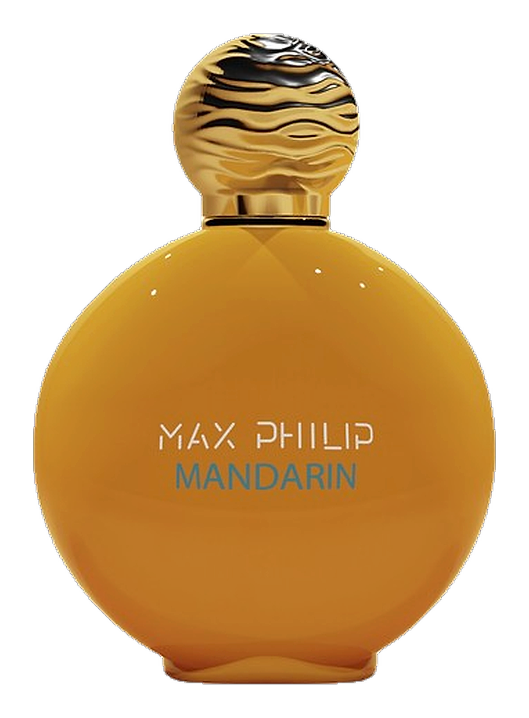
Max Philip has always treated fragrance as translation, taking feelings that have no obvious name and giving them a scent. Mandarin is the house's answer to a question it hadn't asked out loud yet: what happens when you give citrus the same narrative weight as the deeper notes? Most fragrances treat mandarin as an opener, a flash of brightness before the real story begins. Here, the fruit is the story. Ginger and rose were woven in to give the citrus something to lean against, to argue with, to grow into. The result is a composition that opens exactly like you expect and then quietly refuses to stay there. French-assembled, concept-led, made for the wearer who treats scent as a personal language rather than a status signal.
The use of Akigalawood in the base is the structural decision that makes everything else work. Akigalawood is a proprietary aromatic material, a modern woody complexity that sits between traditional dry woods and something more molecular, more intentional. It gives the drydown a warmth that doesn't read as sweet or heavy, just present. Mandarin as a fruit is fleeting by nature; the Akigalawood and musk base exists to hold that brightness in place, to prevent the composition from collapsing into pure citrus. Without it, you'd have a beautiful opening and nothing to remember.
The evolution
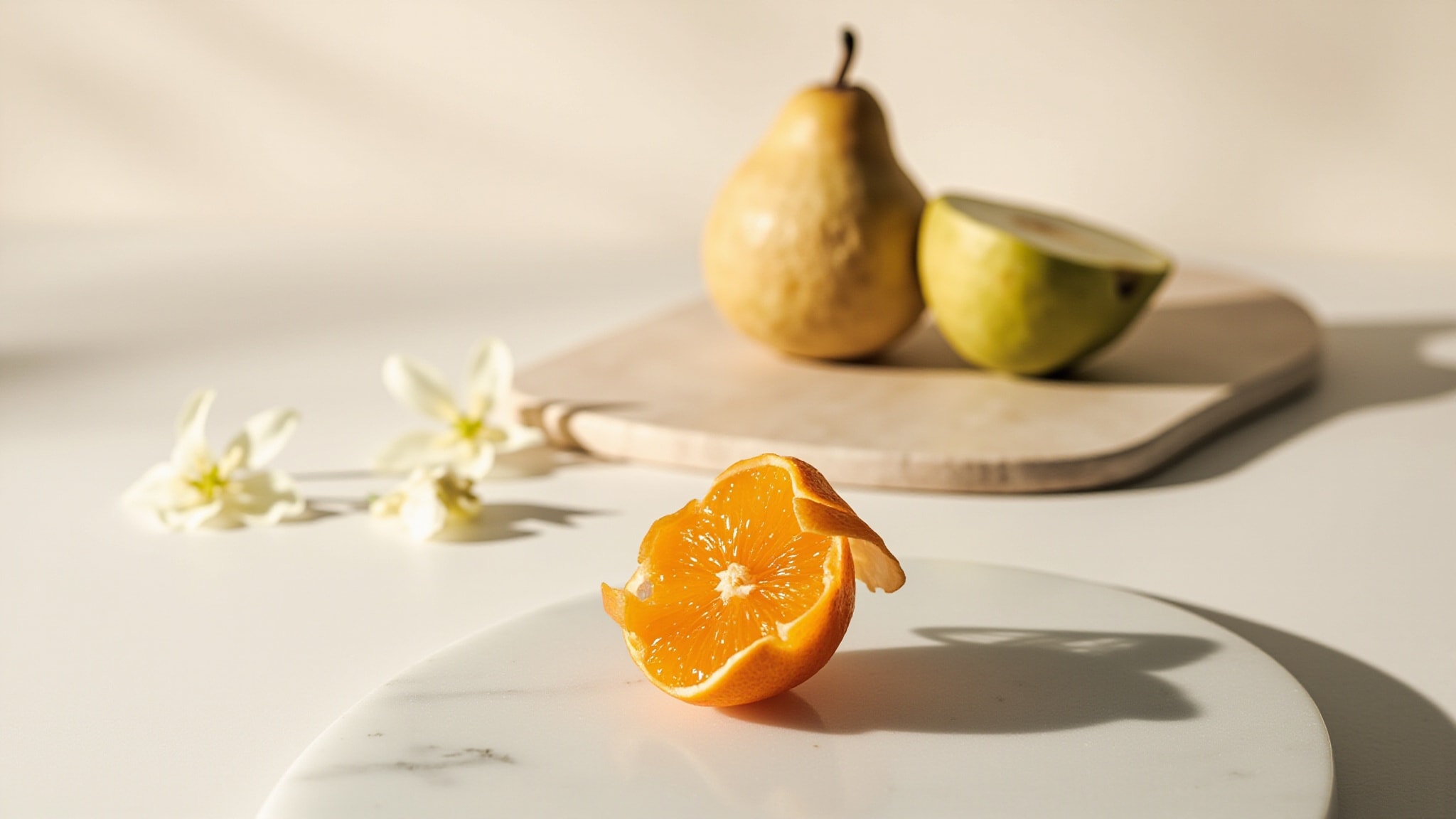
The first thirty minutes belong entirely to the mandarin. Not the synthetic mandarin accord you find in mass-market fragrances, but the real fruit, the brightness that arrives when you split the peel and the oil hits air. Ginger arrives fast, adding a clean heat that prevents the citrus from reading as playful. Then, around the hour mark, the orange blossom and pear emerge, a soft, slightly sweet middle that rounds the sharp edges and makes the whole composition feel less like an opening and more like a settled presence. The rose doesn't announce itself; it softens everything around it. By the second hour, the dry woods take over. Not a dramatic shift, more like a hand-off, the citrus stepping aside to let something warmer, more intimate, move in. Akigalawood and musk define the final act: a drydown that stays close, lingers past the four-hour mark on most skin, and leaves a quiet warmth that smells like the person wearing it rather than like a fragrance in the room.
Cultural impact
Mandarin enters a crowded citrus-woody space with a clear point of view: citrus as a full composition, not a brief opening act. The fragrance's emphasis on warmth over projection aligns with a broader shift in niche perfumery toward intimacy over sillage, the idea that a scent which stays close to the skin and evolves over hours is more interesting than one that announces itself across a room. Wearers who choose Mandarin are typically those who've moved past the performance fragrance and want something that rewards attention rather than demands it. The Max Philip catalogue, with its mix of color names and concept-driven titles, attracts collectors who treat fragrance as a personal language, and Mandarin fits that identity precisely.