
The Story
Why it exists.
The beginning
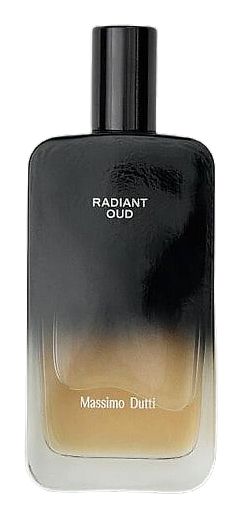
Massimo Dutti has spent decades building a reputation for quiet luxury, clothing that speaks softly and carries itself well. Their fragrance line, launched in the late 1990s, follows the same principle: scents that complement rather than compete. Radiant Oud, created by perfumer Mylène Alran and released in 2024, takes its name from a tension. Oud is a material associated with depth, darkness, intensity. The word 'radiant' suggests something lighter, brighter, more accessible. The fragrance sits in that contradiction deliberately, built for someone who wants the mystique of oud without the weight that usually comes with it.
What makes this composition interesting is the way it uses powder to offset resin. The cypriol and oud heart is rich, almost leathery, but orris root introduces a powdery florality that keeps everything refined. Carrot seed in the opening adds an earthy, slightly bitter quality that grounds the bergamot and prevents the whole thing from reading as sweet. The drydown leans into cedar and tonka bean, which are warm and slightly sweet, but the tonka bean is restrained enough that it never becomes dessert-like. It's oud that learned to breathe, as the tagline suggests. Not heavy. Not dark. Just warm, and present, and close.
The evolution
The opening is bright. Bergamot, then carrot seed, then the orris root slides in with its powdery floral character. That first act reads clean, almost soapy in the best way. Then the cypriol and oud arrive. This is where the fragrance earns its name. The oud is present, resinous, warm, but it's cushioned by the powdery iris and the earthy cypriol rather than amplified. The transition isn't dramatic. It just gets warmer, richer, closer to the skin. That shift from bright to warm is the whole arc. The drydown takes over within two hours. Cedar, tonka bean, musk. Sweet-woody, powdery, intimate. It stays close to the skin for 6-8 hours on most skin types, becoming a skin scent rather than a room-filler. Not everyone wants that. But if you prefer fragrance that feels like a secret, this is the drydown for you.
Cultural impact
Oud has been woven into Arabian culture for centuries, used in royal courts, religious ceremonies, and as a gesture of hospitality. In the Gulf, burning oud chips is a tradition that marks the entrance of honored guests into a home. As Western perfumery began embracing oud in the early 2000s, it shifted from a niche Middle Eastern specialty to a global luxury symbol. Brands like Massimo Dutti have capitalized on this crossover, offering oud-forward scents that appeal to both traditional Middle Eastern sensibilities and Western consumers seeking exotic sophistication. The ingredient carries an automatic gravitas, signaling craftsmanship and heritage. Today, oud remains one of the most coveted perfume materials, driving both luxury releases and accessible interpretations that bring its storied legacy to a wider audience.