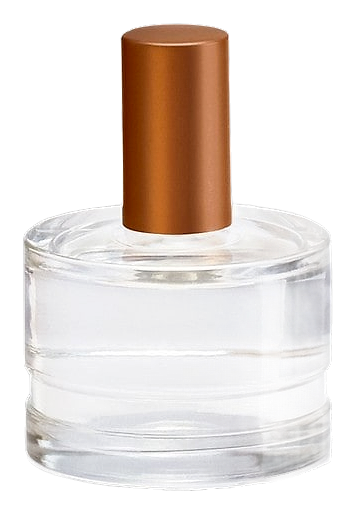

The Story
Why it exists.
The beginning
Exotic Passionfruit arrived in 2008 as part of a four-piece collection Mary Kay released that year, sitting alongside its sister scents in the brand's expanding floral-fruity lineup. The name does the work upfront: passionfruit leads, and the rest of the composition builds outward from that single, unmistakable idea. That tropical opening is sharp, almost tart, the kind of bright sourness that cuts through the first few minutes like citrus zest squeezed over warm skin. As that initial spark softens, a gentle floral layer starts to surface, lending a creamy sweetness that rounds out the fruit's sharper edges. There is no ambiguity in the brief. Bright fruit, soft florals, a clean woody finish, the structure of a scent designed to be worn without ceremony.
What makes this composition interesting is its restraint. Passionfruit is a notoriously tricky note to render in perfumery, often sliding into either candy-sweet synthetic territory or disappearing entirely. Pairing it with yuzu and tangerine gives the opening a citrus backbone that keeps the fruit feeling lifted and fresh rather than syrupy. The freesia in the heart adds a green, slightly peppery floral edge that prevents the blend from collapsing into pure fruit punch. Then the white woods base grounds everything in a clean, slightly creamy finish that keeps the tropical sweetness from wearing thin. It is a simple pyramid, but every element is doing a job.
The evolution
The opening hits fast and bright. Yuzu and tangerine arrive first, sharp and sparkling, almost like the zest being grated over something. Within minutes the passionfruit unfolds, less aggressive than the citrus, sweeter and rounder, settling into the freesia like sun warming a room. The heart phase is where this scent lives longest, that juicy floral-fruity blend holding steady for the first couple of hours, projecting gently without demanding space. As it moves into the drydown, the white woods emerge quietly, not as a dramatic shift but as a gradual cooling. The fruit recedes. The woods stay. By hour four or five you're left with a clean, slightly creamy, skin-close warmth that smells more like warm laundry than tropical island. It does not reinvent itself in the final hours. It just settles, politely, and stays until it fades entirely.
Cultural impact
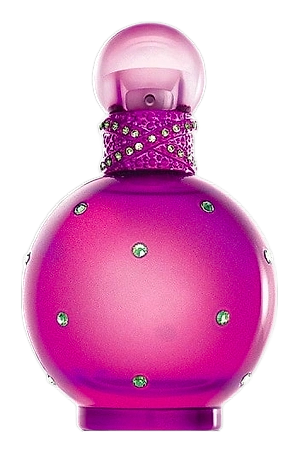
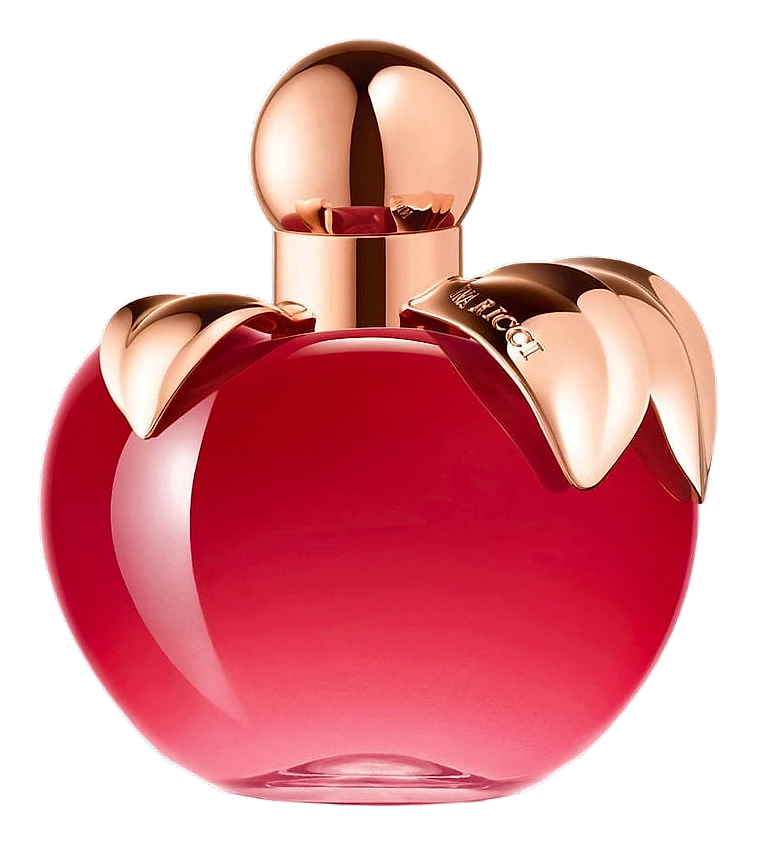
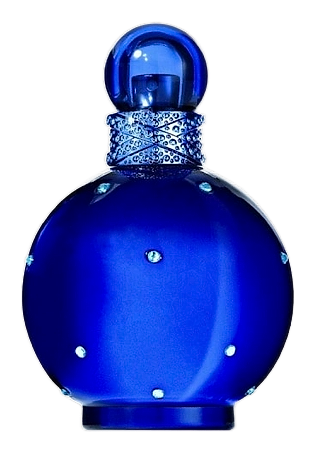
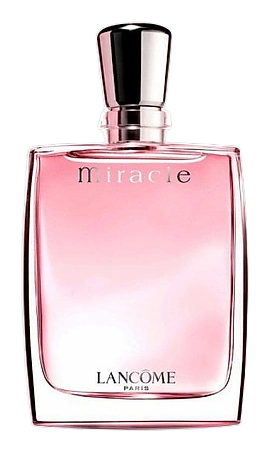
Exotic Passionfruit sits in a category that doesn't get much critical respect but has undeniable staying power: the cheerful, unpretentious fruity-floral. It shares shelf space with scents like Nina Ricci Nina, Britney Spears Fantasy, and Lancôme Miracle, fragrances that prioritize wearability and immediate appeal over artistic statement. Within that broader context, the scent positions itself as an accessible, joy-forward option for anyone drawn to tropical, fruit-driven perfumery.