The Story
Why it exists.
The beginning
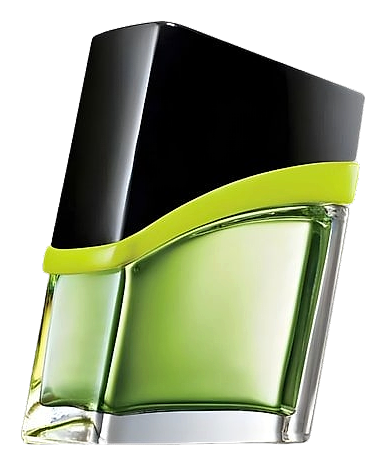
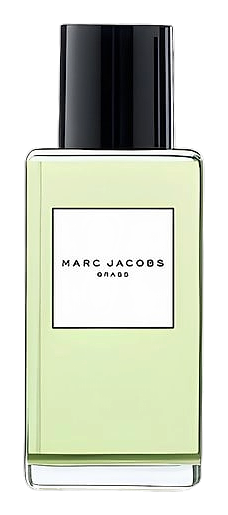
Marc Jacobs built a fragrance empire on flowers, enormous daisies, overstuffed petals, bottles that announce themselves across a room. Grass is the outlier. It arrived in 2006 from perfumer Annie Buzantian, and instead of doubling down on the house's signature femininity, it went sideways. It went green.
Grass as a top note is unusual precisely because it's not abstract. Most green fragrances reach for cucumber, or crushed leaves, or the mineral shock of rain on stone. Grass is literally the thing growing in your yard. Buzantian didn't soften it or fold it into something more palatable, she let it stand as itself, then built a quiet floral heart around it that keeps the composition grounded rather than soaring.
The evolution
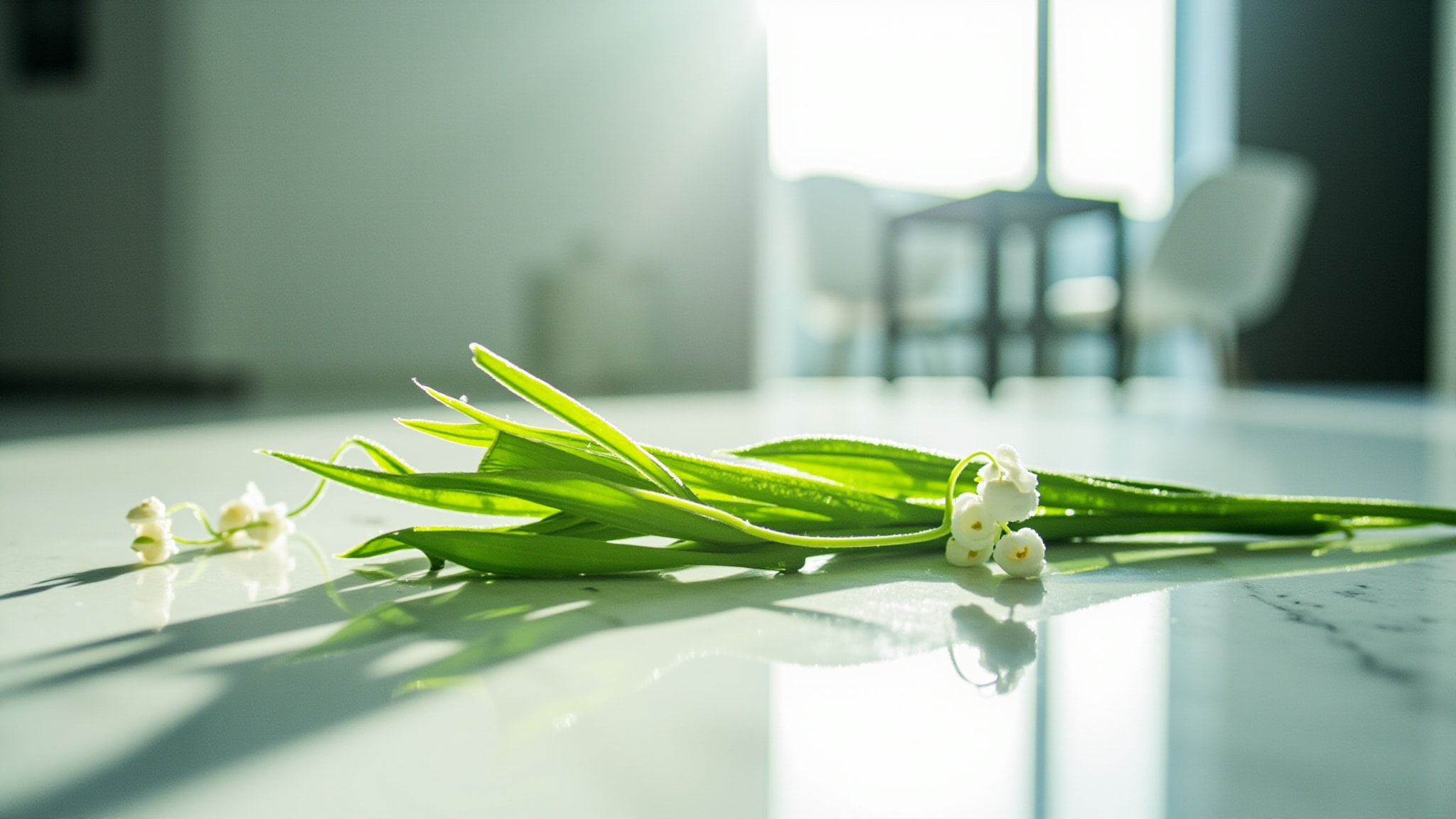
The opening is the statement: bright, crisp, almost hyperreal. Cut grass at 8am. You can almost smell the chlorophyll. It holds that note for maybe twenty minutes, longer than expected, given the EDP weight, before lily of the valley slides in and softens everything. The wildflowers in the heart are subtle, more impression than presence. Then the drydown arrives: woody, clean, a whisper of musk that keeps things skin-close. Moderate sillage means you won't fill a room, but you'll leave a trace. Lasts 4-6 hours on most skin types.
Cultural impact
Grass sits outside the Daisy franchise that defined Marc Jacobs' fragrance identity for a generation. It never achieved the cultural reach of those blockbusters, but its literal green honesty carved out a different audience: wearers who want something uncomplicated, unfussy, and genuinely fresh. In a brand portfolio built on floral maximalism, Grass is the one you reach for when the occasion doesn't require a statement.