
The Story
Why it exists.
The beginning
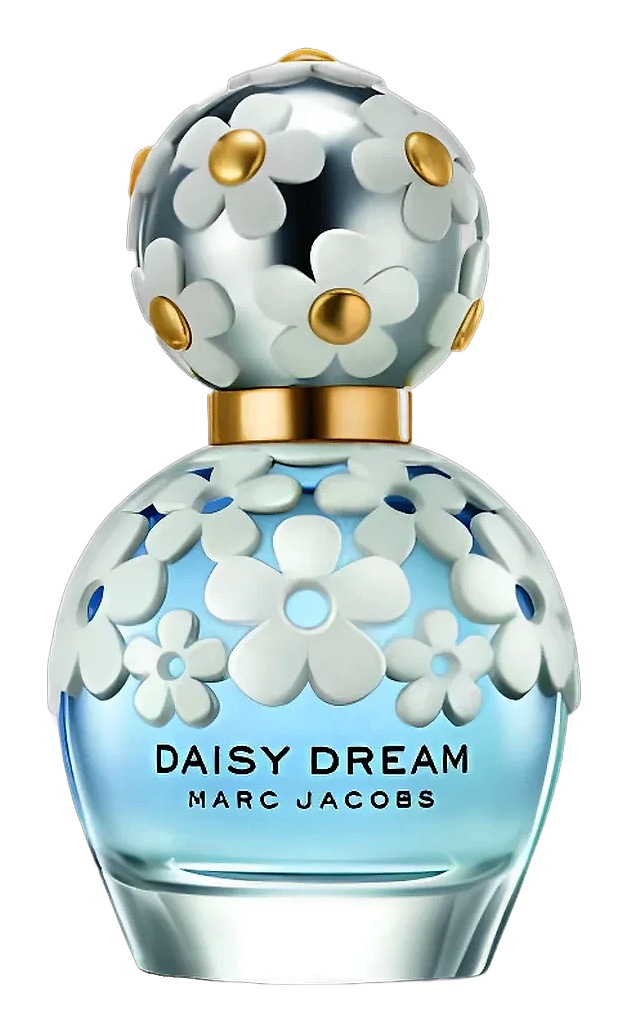
Daisy Paradise arrived as a limited edition within Marc Jacobs' most iconic fragrance line, designed by master perfumer Alberto Morillas. Where the original Daisy franchise leans into sunshine and florals, Paradise offers a different character. Morillas chose poppy as the lead, an unusual choice that speaks to restraint rather than abundance. The fragrance opens with poppy's delicate presence, softened by a subtle green undertone that prevents any overly sweet impression. Oak and ambroxan ground the composition, adding depth that distinguishes this flanker from its sisters. The drydown reveals a refined, understated character that lingers close to the skin. This is Daisy reimagined: still warm, but quieter in its expression, with a measured complexity that rewards attention.
Poppy is rarely the star. In perfumery, it usually plays supporting florals, soft, fleeting, easy to overlook. Morillas did the opposite: he made it the point of entry. The result is a fragrance that opens with floral brightness, its slight green undertone keeping the petals from feeling sweet or heavy. Oak in the heart adds woody weight that most Daisy flankers skip entirely, introducing an unexpected earthiness that balances the delicate opening. Then ambroxan enters the composition, providing a clean base that extends the wear without overwhelming. Three materials. No excess.
The evolution
The opening introduces poppy with its characteristic floral presence and a slight green bite, like the stem of a fresh flower. This initial phase holds steady before the oak begins to emerge, bringing an unexpected structural element to the composition. The florals remain present but soft, filling space rather than demanding attention, maintaining the delicate character established at the opening. Somewhere in the transition, ambroxan becomes more apparent, smoothing the edges and creating a sense of cohesion. The fragrance maintains a moderate presence throughout its wear, never aggressive but always perceptible to the wearer and those in close proximity. The final phase settles into something intimate, close to the skin, the kind of scent you notice when someone's arm brushes yours. The drydown offers a clean exit, fading gracefully rather than lingering aggressively.
Cultural impact
Daisy Paradise exists in the space between nostalgia and evolution. The Daisy line built its identity on accessibility and joy, scents that invite rather than intimidate. Paradise asks slightly more of the wearer: patience for the oak, comfort with the quiet, acceptance of a fragrance that will not announce itself across a room. It occupies a particular position within the broader franchise, offering something distinct from the original lineup's approach. The fragrance seems designed for those who appreciate the Daisy aesthetic but want a different kind of experience, one built on subtlety rather than statement.