The Story
Why it exists.
The beginning
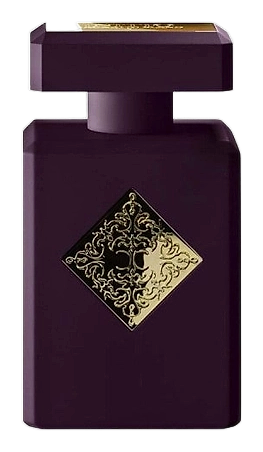
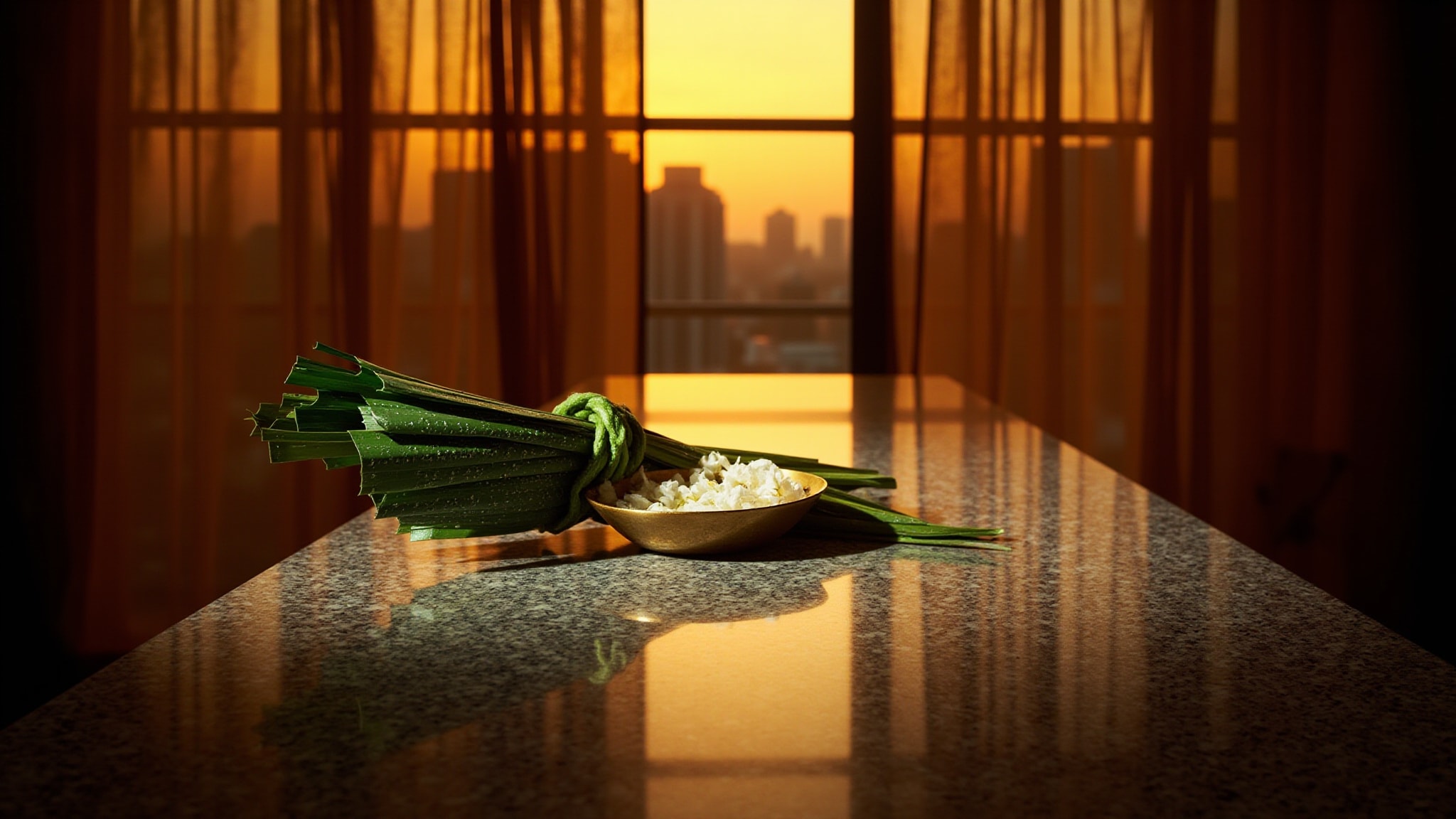
Bunga Rampai is a small ritual that travels. At Malay weddings, a bowl of fresh petals, leaves, and fragrant shreds serves as a bridal fragrance. It's a wish made portable, built to be carried close. Fazzillah Noordin translated that gesture into perfume. Fleur de Rampai keeps the gesture intact. Pandanus leads with its green, grassy sweetness, a note still damp from the leaf. Jasmine answers, white and creamy, warm enough to soften the sharper greens. Patchouli anchors everything, turning the airy sweetness into something with weight and hold on skin. What the flower bowl does in ceremony, the bottle does in daily use: a small cultural document you can wear.
Three notes. That's all the pyramid gives. Most compositions that lean this minimal either bore or shout. This one breathes. Pandanus carries the unmistakable green sweetness of screwpine leaves, the same leaf used to flavor rice and sweets across Southeast Asia. Jasmine brings the white-flower lift, slightly indolic, slightly solar. Patchouli does the quiet work underneath, earthy and balsamic, giving the airy top notes somewhere to land. The trick is restraint. Nothing competes. Each material takes its turn without crowding the next. The result reads simple, then reveals its architecture the longer it sits.
The evolution
The first ten minutes belong to pandanus. Green, almost grassy, with a sweetness that reads more like rice than like fruit. It doesn't announce itself as tropical; it just smells like a kitchen where someone is preparing food. Jasmine surfaces around the fifteen-minute mark, not as a wall but as a current. It threads through the pandanus without overpowering it, giving the composition its lift and a faint creaminess. The patchouli has been there the whole time, but you only notice it once the top notes begin to soften. It deepens the drydown into something warmer, closer to the skin, slightly balsamic. Hours later, what remains is a quiet green-musk warmth. Not a sillage beast. A presence. The kind of scent someone might catch leaning close, not across a room.
Cultural impact
Wearing a bridal blessing as everyday perfume is a small, deliberate act. Fleur de Rampai translates the ceremonial gesture of Bunga Rampai into a form you can carry, collapsing the distance between ritual and daily life. The pandanus leads with its green sweetness, the jasmine softens and warms the composition, and the patchouli grounds the whole thing in something that lasts on skin. It carries the weight of a cultural reference without needing to explain itself. The wearer brings their own context to it, and the fragrance does the quiet work of holding memory in scent form.