Fazzillah Noordin
Dr Fazzillah Noordin is the in-house perfumer at Malay Perfumery, where she exclusively designs every fragrance the house produces. Her path into perfumery began the way many great olfactory careers do: with a lifelong love of scent. She has long described herself as having been drawn to fragrance from a young age, a fascination that eventually pulled her toward formal study and, ultimately, into the studio as a working nose. Today, she holds the rare distinction of being one of the few perfumers shaping a contemporary fragrance house rooted in Malaysian heritage, translating local materials and cultural memory into modern compositions. Her work has drawn editorial attention from titles such as Harper's Bazaar, and she has spoken publicly about carving out genuine creative freedom in the role. She also shares advice for those considering the profession, positioning herself as both practitioner and mentor within Southeast Asia's growing fine fragrance scene.
The hits
Notable creations
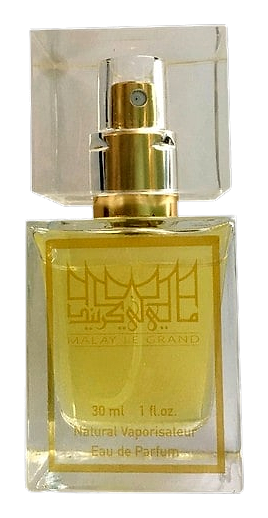
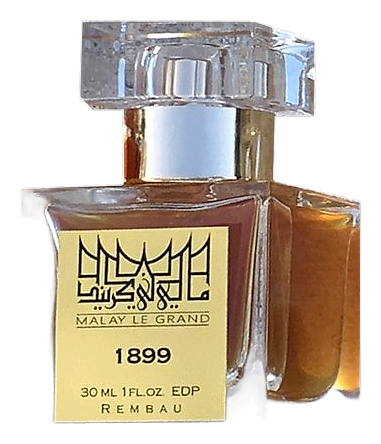
The signature
How Fazzillah composes
Fazzillah's signature lies in reinterpreting traditional accords and rare local ingredients within a contemporary framework. Her palette leans toward botanicals and resins tied to the Malay archipelago, including elements drawn from temple offerings, tropical flora, and regional incense traditions, rebuilt through a modern perfumer's structural sensibility. Rather than relying on the gourmand or oud-heavy codes common across Gulf and Western luxury markets, she appears drawn to greener, spiced, and floral registers that echo the humidity and botanical richness of her surroundings. Her method is hands-on and solitary: she composes every Malay Perfumery fragrance herself, which gives the house a coherent authorial voice. The result is work that feels rooted, specific, and unmistakably hers.
Philosophy
What drives Fazzillah
Fazzillah approaches perfumery as an act of cultural translation. Where many modern noses chase global palates or trend cycles, she turns inward toward the raw materials, accords, and aromatic memories of her own region, treating tradition as a living library rather than a museum. Her creative compass seems guided by curiosity and a refusal to separate technical rigor from storytelling. She has spoken about the importance of freedom in the creative process, suggesting that the best perfumery happens when a nose is trusted to follow instinct as much as formula. For her, scent is a vehicle for identity, a way to make heritage wearable, and a tool for quietly reshaping how Southeast Asian perfumery is seen on the world stage.
The houses