The Story
Why it exists.
The beginning
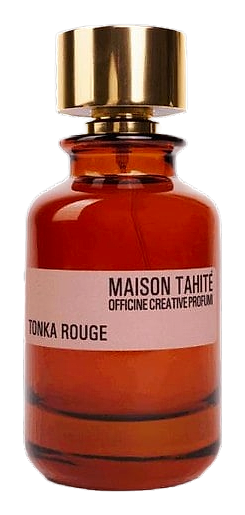
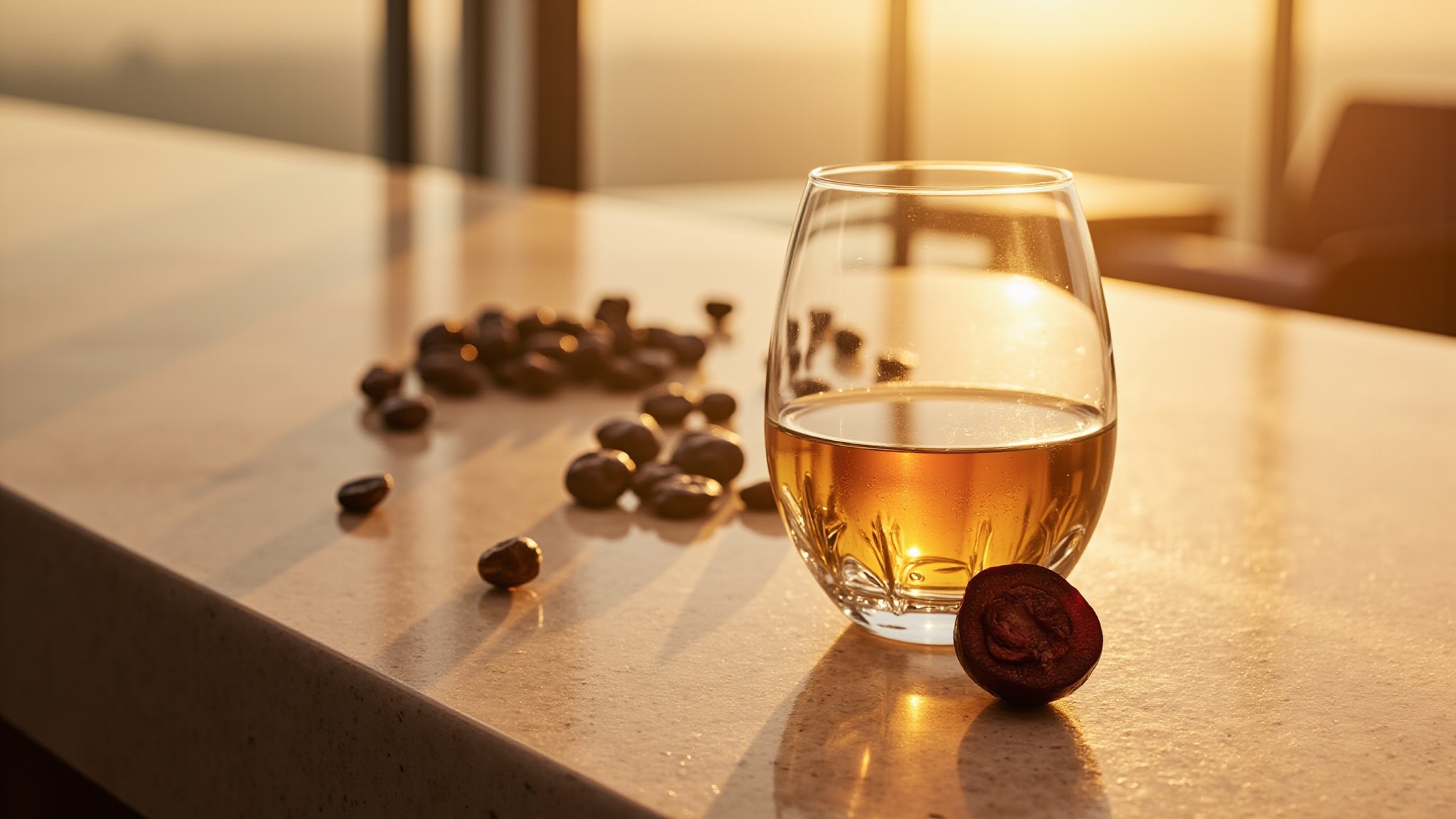
Tonka Rouge arrived in 2025 as Sébastien Cresp's exploration of what happens when a house built on vanilla extends its reach into the broader gourmand landscape. The name says it all, rouge, red, the color of cherry liqueur and aged brandy, both materials that anchor this composition. Cresp wasn't interested in another safe vanilla fragrance. He wanted contrast: the warmth of tonka and vanilla meeting the sharp, almost medicinal darkness of cherry liqueur. The result is a fragrance that wears its influences honestly, pantry ingredients elevated to something with real character.
What makes Tonka Rouge work is its refusal to stay in one register. Cherry liqueur opens sharp and almost tart, not sweet, the kind of cherry that arrives in cocktails and expensive desserts. Into this space, tonka bean brings its characteristic warmth: coumarin's hay-like sweetness, the smell of fresh-mown grass and tobacco leaf. Raspberry adds a fruity brightness that keeps the composition from becoming heavy, while licorice provides an anise-like edge that few fragrances attempt. The tension between these elements, fruit and spice, sweet and dark, gives Tonka Rouge its distinctive character.
The evolution
The opening hits immediately: cherry liqueur, dark and almost alcoholic, the kind that lingers in the air after a glass is set down. Within minutes, the tonka bean arrives, softening the edges, adding cream. The raspberry surfaces briefly, bright, almost jammy, before the licorice assert itself, giving the heart an unexpected complexity. By the second hour, the base takes over: vanilla warmth meeting sandalwood's creamy wood, with brandy lending a final boozy sweep. The drydown is intimate, close to the skin, lasting into the evening.
Cultural impact
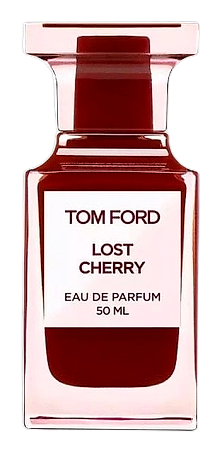
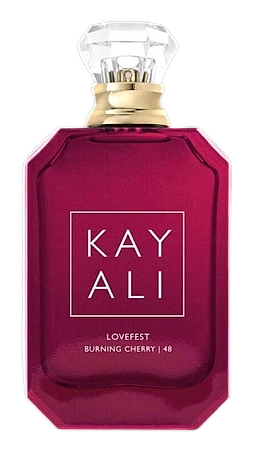
Tonka Rouge enters a fragrance landscape reshaped by the gourmand revival of the 2010s and 2020s, when notes once considered pedestrian, vanilla, tonka, chocolate, reclaimed territory from the citrus and aquatic dominance of the preceding decade. Maison Tahité, based in Rome and founded in 2018, represents a newer wave of Italian fragrance houses positioning themselves at the intersection of artisan craftsmanship and commercial accessibility. The cherry-liqueur trend, accelerated by Tom Ford Lost Cherry in 2018 and its subsequent flankers, created appetite for darker, more complex fruit accords that go beyond simple sweetness.