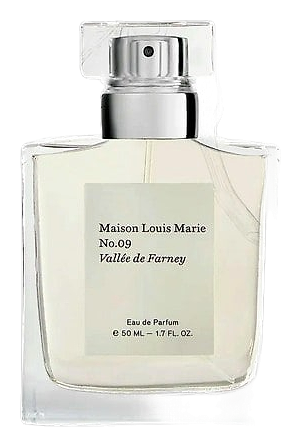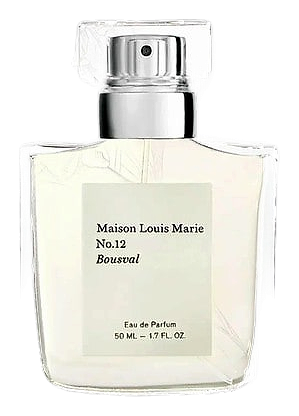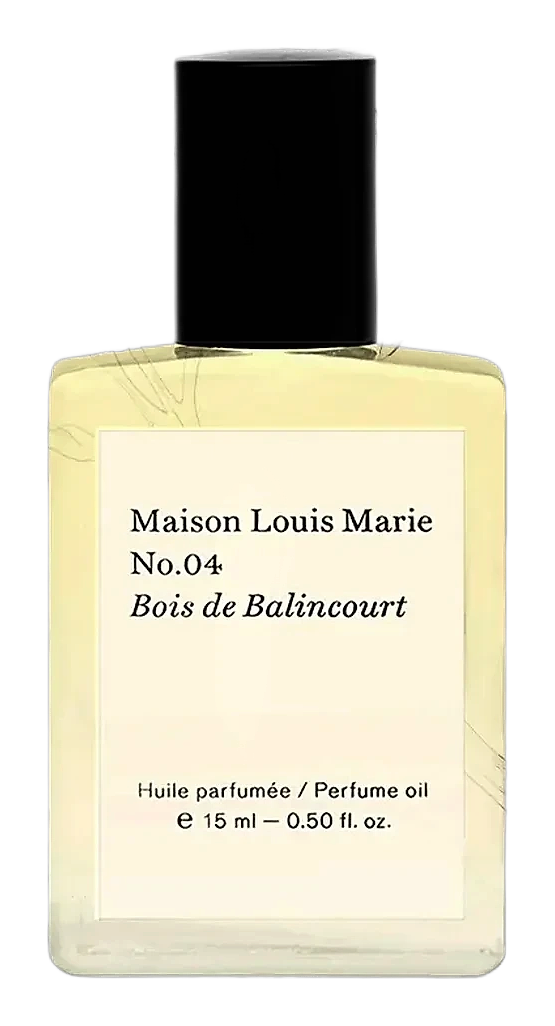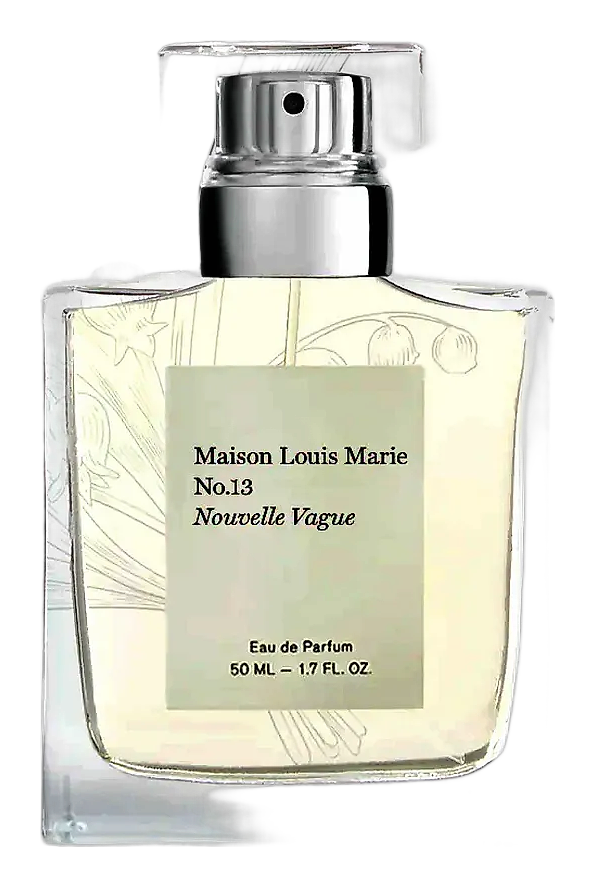

The Story
Why it exists.
The beginning
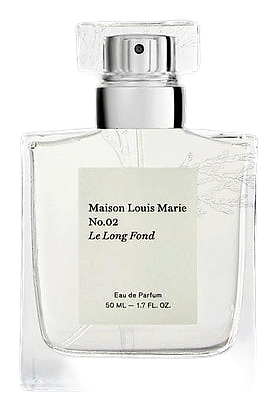
Le Long Fond is a nursery in Belgium. Founded in 1979. Still active. Marie du Petit Thouars grew up around it, the greenhouses, the quiet rows of plants, the smell of soil and moisture and growth. When she came to build the numbered fragrance collection, she didn't reach for the obvious botanical story. She reached for the nursery. The fragrance captures hinoki wood, Japanese cypress, meditative and clear, alongside cedar and patchouli that ground the composition in something warm and familiar. It's the smell of a place that raised her, translated into something wearable.
Hinoki wood is the uncommon choice here. Most Western noses know cedar, sandalwood, pine, but hinoki occupies different territory. It's resinous and clean at once, with a slightly camphorated clarity that reads as meditative rather than medicinal. The cedar doesn't compete with it. Cedar loves company, and hinoki gives it something warm to hold onto. Patchouli adds the sweetness at the base that stops the whole thing from feeling clinical. White musk is the closer, soft, clean, skin-like. This is a simple pyramid done right. Five notes, no filler, nothing trying too hard.
The evolution
The opening 15 minutes belong entirely to hinoki. That distinctively aromatic, slightly camphorated cypress, the kind of clean that isn't fresh, exactly, but still. Cedar joins within the first half hour, warming things up with its pencil-wood familiarity. Patchouli takes its time arriving but once it settles in the heart, it stays. The middle phase lasts a couple of hours, the woods playing off each other with neither overwhelming. Then white musk takes over. The drydown is intimate, the scent of skin that happens to smell like wood. The final hour is close, almost nothing, the ghost of something clean and certain on your wrist.
Cultural impact
Maison Louis Marie built its audience on restraint. The brand doesn't chase complexity or sillage, it chases clarity. Le Long Fond fits that ethos precisely: a woody-musky composition that reads as intimate rather than performative. The clean-beauty positioning drew early adopters, but the hinoki-forward structure gives it a point of view distinct from the rest of the line.