The Story
Why it exists.
The beginning
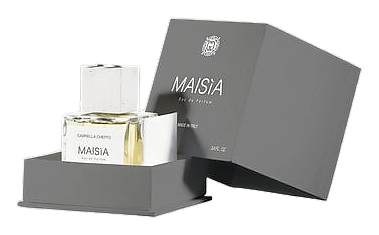
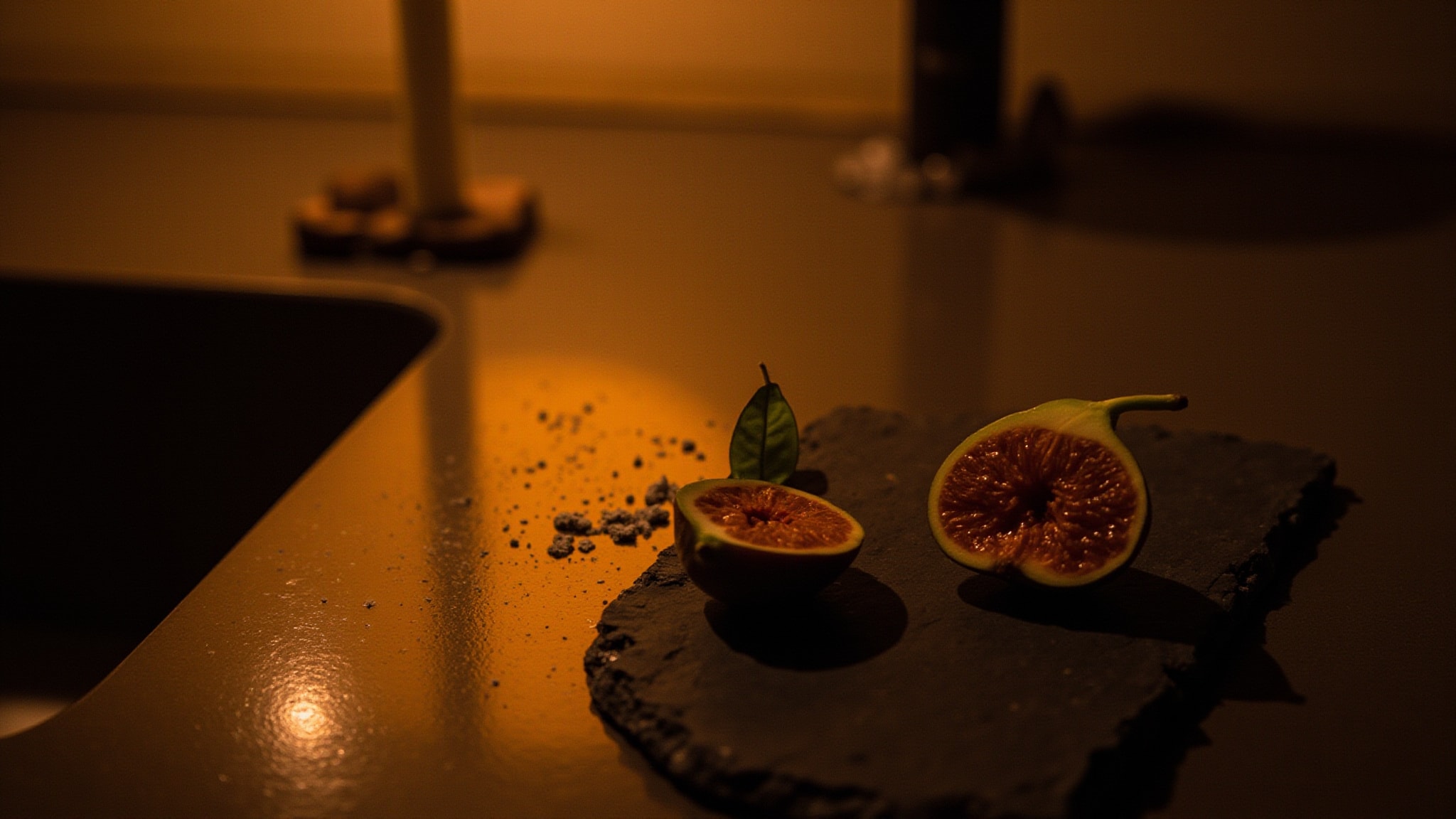
The name carries weight and specificity. The composition built around fig, the fruit and leaf, against an ashen backdrop with black amber and musk. The idea: fig that doesn't lean coconut-cream. Fig that knows smoke. The opening confirms it. Citrus and fig leaf arrive together, crisp and bright, the green bite of the leaf softened slightly by the citrus brightness. Beneath that, the fruit begins to emerge, warm and slightly honeyed, as if sun-ripened on a stone wall. The combination of bright citrus, green fig leaf, and the promise of something deeper sets a tone that feels both familiar and unexpected.
Fig is a difficult material in perfumery. It tends toward the lactonic (coconut, cream) or the aggressively green (cut stems, vegetal). Smoke changes the equation. It doesn't mask or sweeten, it grounds. The ashen quality in Maisìa keeps the fig from floating into abstraction. What could read as a pleasant garden fragrance instead reads as specific, even strange. That's the point. Black amber adds a resinous darkness that pulls the green toward something older, more melancholic.
The evolution
The opening arrives bright. Bergamot and lemon lift the fig leaf immediately, that characteristic green, slightly bitter quality that says fig without ambiguity. Within minutes, the smoke surfaces. Not loud, not smoky in the campfire sense. Ashen. Mourning, even. The fig fruit appears next, warm and yellow, but the ash doesn't disappear. It deepens. Settles into the composition like something that refuses to leave. The drydown is where this fragrance earns its name. Sandalwood and guaiac wood arrive late, woody and warm, but the smoke and black amber carry through. Musk keeps it close to skin for hours. The combination of fig, ash, and warm woods creates something unexpected. It's more interesting than that.
Cultural impact
Maisìa occupies unusual territory, a fig fragrance that refuses the typical sunny interpretation. The smoky-ashen character gives it a different register entirely. Community data shows spring and fall as peak seasons, with moderate sillage that stays close rather than announcing itself. The combination of fig, ash, and warm woods creates something that invites attention rather than demanding it. There's a quiet complexity here that reveals itself gradually, the kind of fragrance that rewards patience and close attention rather than making its case immediately.