The Story
Why it exists.
The beginning
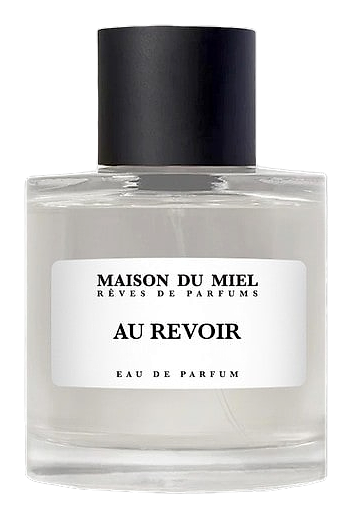
Au Revoir arrived in 2024 as one of the opening statements from Maison Du Miel, a house that treats each formula as a memory you can wear. The name carries the weight of parting, but the juice tells a different story entirely: nothing here mourns. Instead it offers a last image worth lingering over, the kind of sensory snapshot that stays warm long after the door closes. The house's signature ingredient is honey, filtered and aged before blending, and Au Revoir pulls from that same patient, tactile tradition. This particular composition strips honey out of the equation and replaces it with milk, fig, and coconut, a quieter register for the label that wants every release to feel like a kept secret rather than a broadcast.
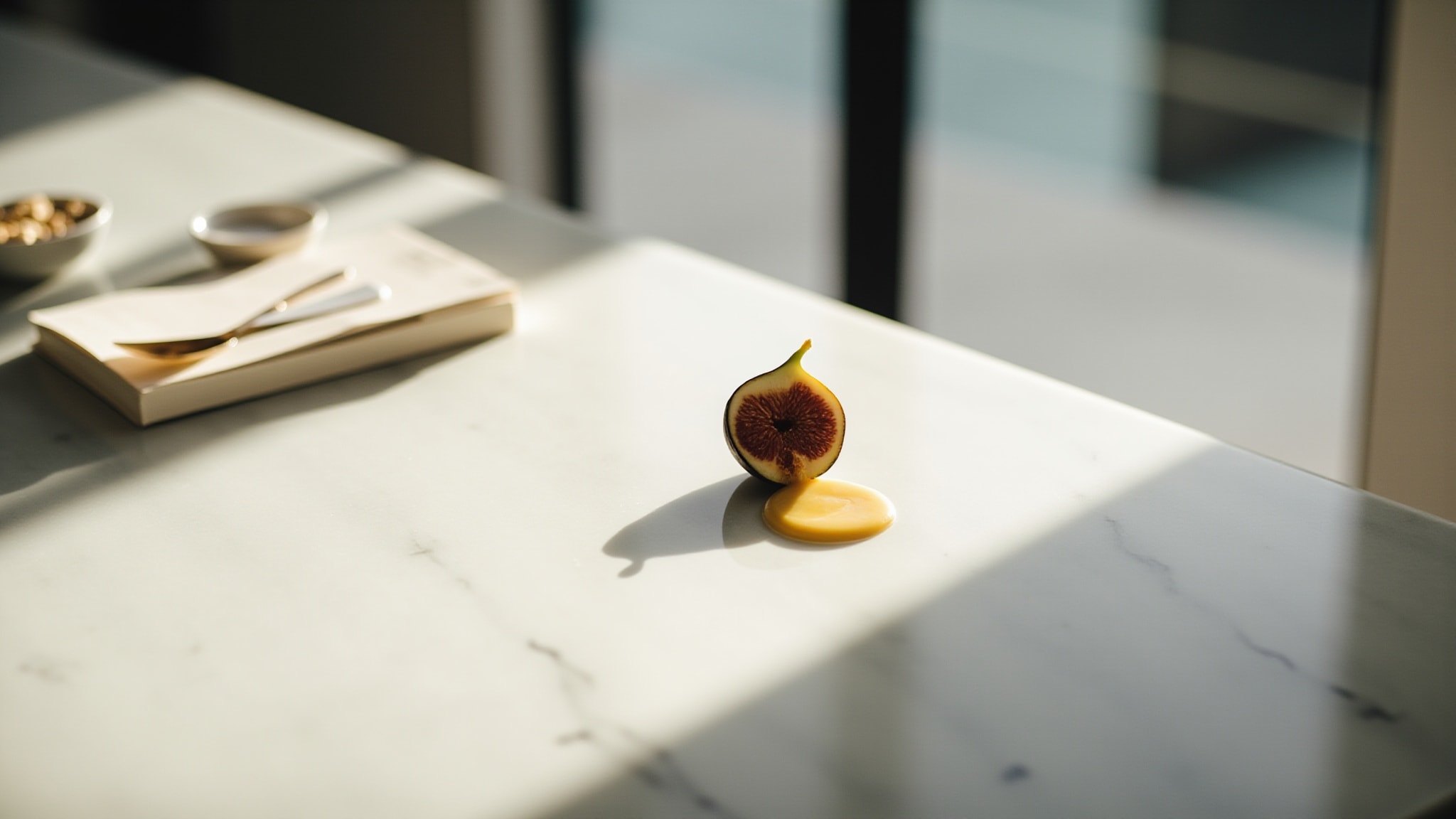
What makes Au Revoir unusual is the absence where you'd expect a signature. Maison Du Miel's identity orbits honey, yet Au Revoir leans on milk instead, a lactonic note that reads as cream, warmth, and skin rather than sweetness with a spoon. Pairing that with green fig leaf and ripe fig creates a split between the vegetal and the milky that gives the composition its particular tension. The coconut-sandalwood base grounds the composition without tipping it tropical. It gives the milk something to sit on, a wood-warm foundation that keeps the sweetness from floating away.
The evolution
The opening hits with milk, not the cold carton kind but the warm, steamed, skin-adjacent version, as though someone poured cream into a cup of fig tea and forgot to drink it. For the first 15 minutes it feels almost edible, lactonic and soft, the kind of sweetness that reads more intimate than gourmand. Then the fig arrives. Green leaf at first, slightly bitter, a vegetal snap that cuts through the cream. Over the next hour the leaf mellows and the ripe fig underneath swells, jammy and sun-warmed, folding back into the milk until the two become inseparable. The coconut surfaces around the two-hour mark, not coconut-sunscreen loud but the quiet, flesh-and-water version, fleshing out the sweetness without making it beachy. By hour four the sandalwood is doing most of the talking. It's creamy-woody, not sharp, and it carries the last whisper of fig and coconut into a drydown that smells like warm skin after a nap. On fabric the next morning there's a ghost of coconut milk still hanging around, soft, close, almost more like a feeling than a scent.
Cultural impact
Au Revoir occupies an interesting place within the broader landscape of contemporary niche perfumery, where lactonic and skin-adjacent notes have become a serious material for perfumers working outside the traditional gourmand lane. The fig-and-milk pairing positions it within a small conversation about how cream can function as a structural element rather than a background sweetener, giving the composition a softness that still feels deliberate and considered. For wearers, this translates into a scent that reads as intimate without becoming fleeting.