The Story
Why it exists.
The beginning
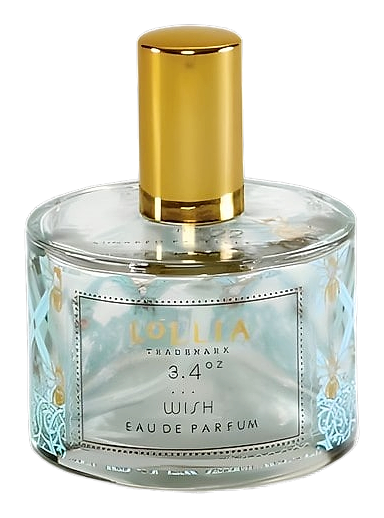
Wish came from the idea that comfort could be worn, not just felt. Margot Elena, the nose behind Lollia, built this fragrance around a quiet wish: a sweet scent that felt like permission rather than performance. Rice flower became the unexpected anchor, a material that most perfumers overlook, here given center stage. The result is something that smells like the moment after a long exhale, not the entrance itself.
What makes Wish work is the rice flower. It doesn't behave like most florals, there's no petals, no green stem, no typical jasmine creaminess. Instead it reads almost starchy, like the steam rising from a bowl of rice pudding left to cool on a kitchen counter. Paired with marshmallow and sugar cane, it creates a sweetness that stays close to the skin rather than projecting outward. The bergamot and black pepper keep it from becoming flat, adding a brief brightness at the opening that prevents the whole composition from feeling one-note. This is a fragrance built for the hours you want to feel held, not noticed.
The evolution
The opening announces itself with a quick burst of citrus brightness, bergamot, a whisper of cinnamon, then black pepper. It lasts maybe twenty minutes before the rice flower takes over, and the shift is dramatic. Suddenly everything softens. The pepper fades, the citrus retreats, and what remains is a creamy, almost lactonic sweetness that smells like vanilla extract mixed with something unfamiliar. Unfamiliar in a good way. The ylang-ylang adds a faint tropical edge but never goes floral. By hour three, you're left with amber and vanilla sitting close to the skin, a warmth that other people might catch only if they're standing beside you. It doesn't project. It lingers.
Cultural impact
Wish has quietly accumulated a following among consumers seeking alternatives to mass-market sweet fragrances. Positioned as an oriental vanilla, it shares territory with Pink Sugar and Angel but takes a different approach, rice flower rather than cotton candy gives it a more grounded, less synthetic feel. The fragrance remains in continuous production since 2008, suggesting steady demand despite limited marketing presence.












