The Story
Why it exists.
The beginning
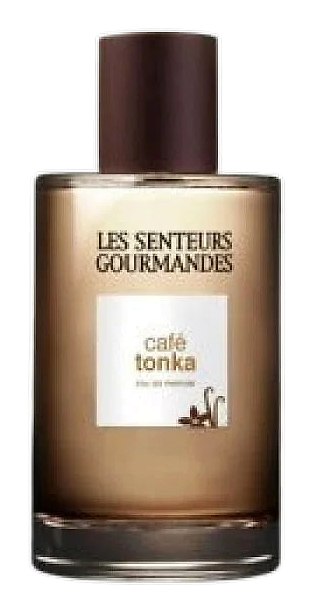
Café Tonka arrived in 2016 as Les Senteurs Gourmandes continued building on the gourmand sensibility the house is known for. The central idea behind the brand is that scent could taste like memory, and this composition takes that thesis literally, a coffeehouse rendered in fragrance, where the roasted bean is the protagonist and everything else is the garnish. The brief was simple in concept, harder in execution: make coffee smell like coffee, not like a candle labeled coffee. That meant supporting the central accord with saffron and black pepper for warmth and edge, then anchoring it in tonka bean and amber so the composition doesn't collapse into bitter one-note. It's a five-note pyramid that does what most gourmand fragrances try to do with twenty.
What makes Café Tonka work is its restraint. Most coffee fragrances fall into one of two traps: they go too literal (cold brew, burnt bean, ash) or too sweet (vanilla-drowned dessert). This one splits the difference by giving saffron the architectural role, it adds an earthy, slightly leathered warmth that grounds the coffee without competing with it. The tonka bean does the heavy lifting in the drydown, bringing its signature coumarin sweetness that reads somewhere between caramel and almond. Pairing it with amber rather than vanilla keeps the base from going syrupy.
The evolution
The first 15 minutes belong to saffron and black pepper, and they're not shy. The saffron opens with a dry, almost earthy heat, less precious-metal saffron rice, more saffron threads dropped into hot oil. Black pepper threads through with a sharp, bright bite that prevents the opening from reading as merely spiced. Together they smell less like a dessert and more like a Middle Eastern market stall at closing time. Around the 30-minute mark the coffee arrives, and it arrives properly. Not the burnt, ashy coffee note that haunts cheap gourmands, this is roasted, slightly bitter, with that toasted-grain sweetness that real espresso carries. It sits at the center of the composition for the next 3-4 hours, occasionally warmed by the residual pepper.
Cultural impact
Café Tonka sits in a crowded category, and coffee gourmands are everywhere, but it distinguishes itself through brevity. Wearers describe it as accessible without being generic, a coffeehouse scent that doesn't try to smell like dessert. It's the kind of fragrance that lands well with people who've moved past pure vanilla novelty but still want warmth and sweetness on their skin. Part of the appeal is its honesty about what it is: roasted coffee at the center, supported by spice, grounded in tonka and amber, with nothing extraneous competing for attention.